What Home Battery Warranties Actually Cover and Exclude
Home batteries represent a significant investment in renewable energy storage, powering households during outages or peak demand. Warranties accompanying these systems offer reassurance by outlining manufacturer responsibilities for repairs or replacements. Yet, the specifics of coverage vary widely, making it essential to examine terms closely before purchase.
Understanding warranty provisions prevents unexpected expenses and ensures the system delivers expected value. This guide explores core components of home battery warranties, highlighting what protections apply and common pitfalls to avoid. By the end, readers gain practical insights to evaluate options effectively.
Core Elements of Home Battery Coverage
Most warranties focus on the battery's fundamental performance metrics. Manufacturers guarantee that the unit operates as specified under normal conditions for a defined period.
Capacity Retention Guarantees
Capacity retention ensures the battery maintains a minimum percentage of its original storage ability over time. For instance, many warranties promise at least 70 percent retention after 10 years or a set number of charge cycles. This protection addresses gradual degradation, a natural process in lithium-ion batteries common in home systems.
If the battery falls below the guaranteed threshold, the manufacturer typically covers replacement or compensation. Testing procedures outlined in the warranty determine eligibility, often requiring professional assessment. Such clauses provide long-term security for energy independence goals.
Cycle Life Protections
Cycle life refers to the number of full charge-discharge cycles the battery can endure before significant performance loss. Warranties frequently specify 5,000 to 10,000 cycles, depending on the model and usage patterns. Coverage activates if the battery underperforms relative to these expectations within the warranty period.
This aspect proves crucial for daily users relying on solar integration. Exceeding cycle limits through excessive discharging may void claims, emphasizing the need for balanced operation. Review cycle definitions carefully, as partial cycles sometimes count differently.
Manufacturing Defects and Workmanship
Warranties standardly cover defects in materials or assembly that cause failure within the initial years. This includes issues like faulty cells, inverter malfunctions, or enclosure breaches leading to leaks. Repairs or full replacements fall under this umbrella, often at no cost to the owner.
Professional installation by certified technicians supports these claims. Documentation of the setup process aids in validating warranty requests. Early detection through routine checks maximizes this protection.
Common Exclusions in Home Battery Warranties
While coverage sounds comprehensive, exclusions limit manufacturer liability in specific scenarios. These clauses protect against avoidable damages or external factors beyond control.
Misuse and Overloading
Intentional or negligent misuse, such as overcharging or operating beyond rated limits, receives no coverage. Examples include connecting incompatible devices that strain the system or ignoring safety protocols. Warranties assume responsible use, so deviations lead to denied claims.
To mitigate risks, follow user manuals precisely and monitor system loads. Educational resources from manufacturers help owners avoid these pitfalls. Proper handling extends both warranty validity and battery lifespan.
Installation and Modification Errors
Poor installation by unqualified personnel often voids the entire warranty. Issues like incorrect wiring, inadequate mounting, or skipped grounding create hazards and performance problems. Modifications, such as unauthorized upgrades or repairs, similarly fall outside protection.
Hire certified installers to preserve coverage. Retain records of the installation process for potential disputes. This step ensures the system qualifies for full manufacturer support.
Environmental and External Damage
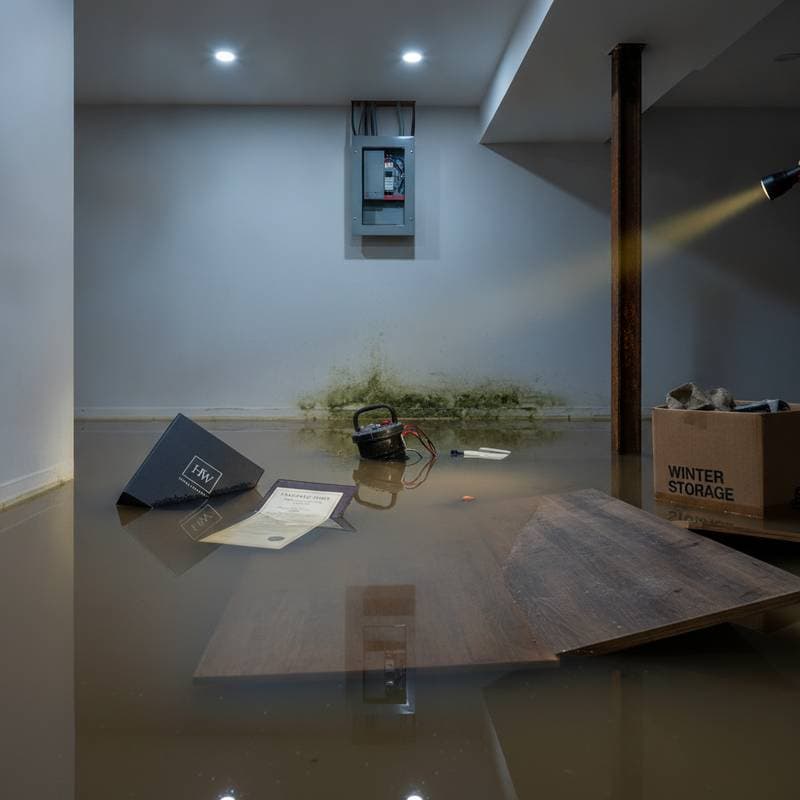
Extreme conditions, including floods, fires, or lightning strikes, typically exclude warranty benefits. Corrosion from salt air in coastal areas or damage from pests also qualifies as non-covered. Warranties apply only to controlled indoor or sheltered environments unless specified otherwise.
Site assessments before installation identify potential vulnerabilities. Additional insurance policies complement warranties for comprehensive protection against unforeseen events. Proactive placement decisions enhance durability.
Normal Wear and Obsolescence
Gradual wear from standard operation does not trigger warranty action unless it exceeds guaranteed thresholds. Technological obsolescence, where newer batteries outperform older ones, remains the owner's responsibility. Warranties focus on specified performance, not market advancements.
Regular maintenance schedules outlined in manuals help track wear. Professional servicing intervals preserve eligibility for claims related to accelerated degradation. Awareness of these limits sets realistic expectations.
Key Terms to Decode in Warranty Documents
Warranty language employs technical terms that require careful interpretation. Familiarity with these prevents misunderstandings during claims.
- Depth of Discharge (DoD): The percentage of battery capacity used per cycle; higher DoD accelerates wear but warranties often base guarantees on average usage.
- Throughput: Total energy passed through the battery over its life; some warranties cap coverage based on this metric rather than time alone.
- Pro Rata Coverage: Partial compensation for degradation, where replacement value reflects remaining useful life instead of full cost.
Decode these by cross-referencing with product specifications. Consult manufacturer glossaries for clarity. Informed reading empowers better system management.
Steps to Evaluate and Claim Warranty Benefits
Selecting a home battery involves scrutinizing warranty details alongside technical specs. Compare offerings from multiple brands to identify robust protections.
- Review the duration: Look for 10- to 25-year terms covering both product and performance.
- Check transferability: Ensure the warranty transfers to new owners if selling the home.
- Assess claim process: Verify straightforward procedures, including timelines for responses and required documentation.
When filing a claim, gather evidence like usage logs and diagnostic reports promptly. Contact the manufacturer or authorized service center directly. Persistence resolves most valid issues efficiently.
Maximizing Your Home Battery Investment
Thorough warranty comprehension transforms a complex purchase into a confident choice. It shields against defects while guiding proper care to extend system life. Homeowners who prioritize these details enjoy reliable power and financial peace.
Integrate warranties into broader energy planning for optimal returns. Regular reviews adapt protections to evolving needs. Ultimately, this knowledge secures sustainable energy benefits for the long haul.