Pre-Purchase Home Warranties: A Smart Choice for Buyers in 2026?
Homebuyers encounter numerous decisions before closing on a property. One common question involves purchasing a pre-purchase home warranty. This type of coverage aims to shield against unexpected repair expenses once you settle in. However, not all plans deliver equal value. This article examines when such a warranty proves beneficial, typical costs involved, coverage details, and potential limitations to guide your choice.
Situations Where a Pre-Purchase Warranty Proves Valuable
Consider a pre-purchase warranty particularly useful if you plan to buy an older residence or if the home inspection reveals components approaching the end of their service life. It also serves buyers with tight budgets immediately following the purchase. These plans provide a safety net for essential systems that might fail shortly after you take ownership.
Scenarios where it fits well:
- Residences featuring heating, ventilation, and air conditioning systems or water heaters exceeding five years in age
- Properties lacking thorough maintenance documentation
- Buyers seeking to stabilize repair expenses throughout the initial year of ownership
- Situations where sellers include coverage as part of the negotiation
Scenarios where it fits poorly:
- Recently constructed homes still protected by builder or manufacturer guarantees
- Properties with most major systems updated within the past few years
- Buyers who favor selecting their preferred service providers
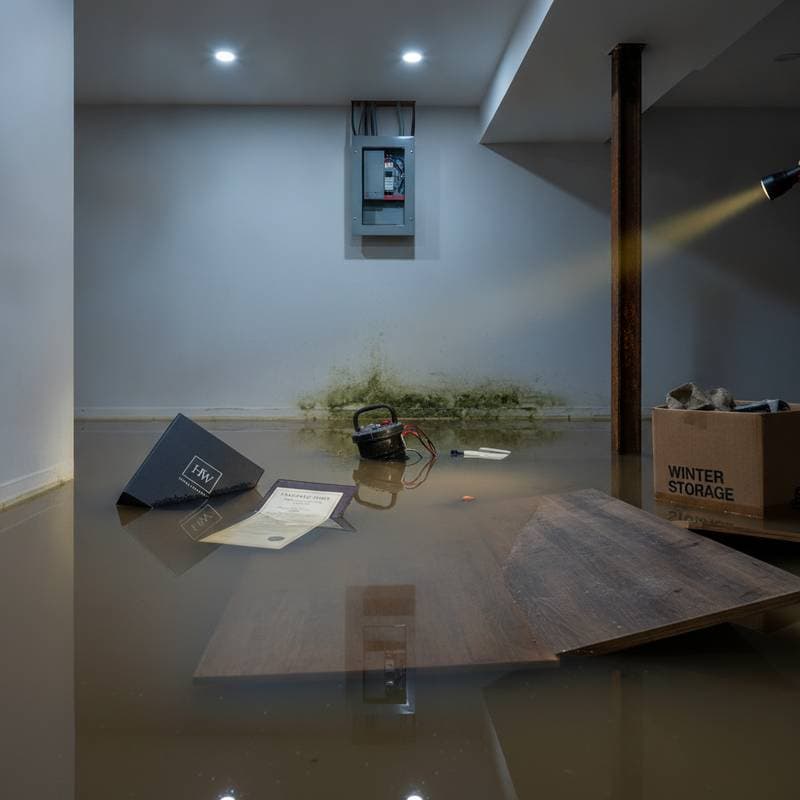
Understand that a home warranty differs from homeowners insurance. It focuses solely on failures due to regular use and does not address structural problems, foundation shifts, or damage from natural events like storms.
Guide to Implementing a Pre-Purchase Warranty
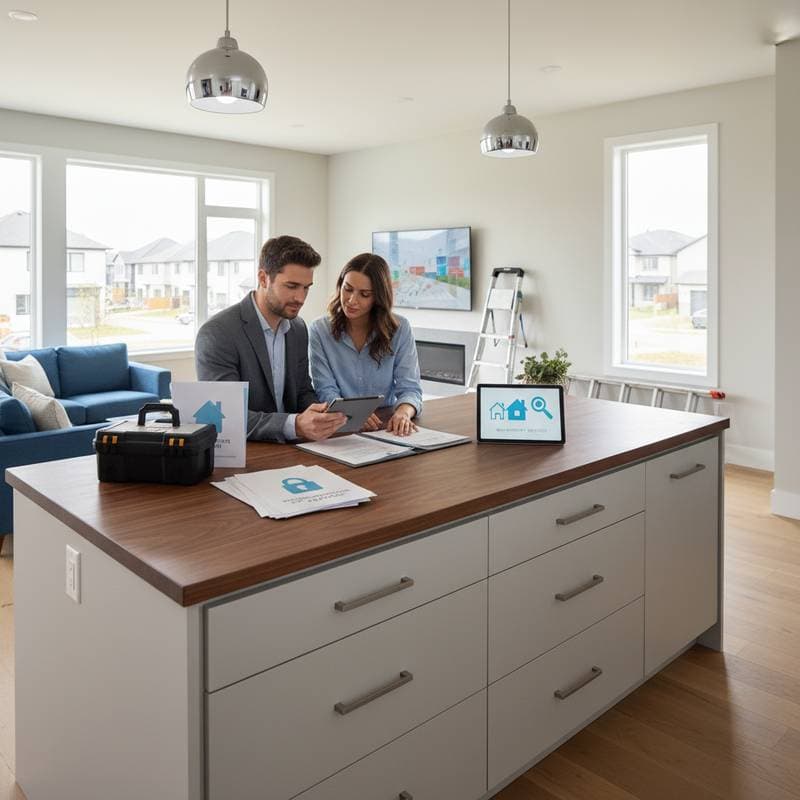
Follow these steps to integrate a pre-purchase warranty effectively into your homebuying process.
- Examine the home inspection report thoroughly. Pinpoint systems showing signs of wear or nearing their expected lifespan, such as a furnace with reduced efficiency.
- Evaluate different coverage options. Select plans that align with the identified vulnerable areas, ensuring comprehensive protection for appliances and systems like plumbing or electrical setups.
- Scrutinize exclusions in detail. Contracts frequently restrict reimbursements for units past a certain age or conditions present before activation.
- Verify transfer provisions. If the seller maintains an existing warranty, confirm it passes to you seamlessly upon closing to avoid gaps in protection.
- Submit claims properly. Contact the warranty provider directly prior to engaging any repair service. Independent repairs typically receive no compensation.
- Maintain records of all services. Document receipts and claim identifiers meticulously to facilitate renewals or resolve any disputes that arise.
Many providers permit multiple claims annually, though each service visit incurs a deductible, often ranging from $75 to $125. Total reimbursements per item may reach caps of $1,500 to $3,000, depending on the plan selected.
Annual premiums for basic plans usually fall between $400 and $600, with add-ons for items like pools or septic systems increasing costs by $100 to $200 each. Compare at least three providers to identify the best match for your needs.
Pitfalls to Steer Clear Of
Buyers frequently overlook key aspects of home warranties, leading to frustration. Awareness of these issues helps maximize benefits.
- Overestimating the scope of protection. Plans exclude structural flaws, aesthetic repairs, and issues detectable during inspection.
- Forgetting the service deductible. Plan for multiple visits, as fees add up quickly during the first year.
- Overlooking payout limitations. Review maximum allowances per covered item to avoid surprises on larger repairs.
- Engaging unapproved service providers. Stick to the network to ensure eligibility for reimbursements.
- Opting for automatic renewal without review. Re-evaluate annually; diminished value occurs after key replacements under the plan.
Weighing Professional Service Against Self-Repair
While purchasing a warranty involves minimal hands-on work, it intersects with repair decisions post-closing.
Factors for handling repairs independently:
- Matching your expertise: Basic tasks like resetting a circuit breaker or flushing a water heater suit skilled homeowners.
- Assessing hazards: Avoid self-work on electrical wiring or gas connections due to inherent risks.
- Checking equipment needs: Advanced repairs demand professional tools, such as those for handling refrigerants in air conditioners.
Instances requiring professional intervention:
- Work on high-voltage systems or fuel lines
- Replacements under active manufacturer guarantees mandating certified technicians
- Updates necessitating local building code compliance and inspections
Home warranties often require licensed contractors, adding a layer of assurance for complex jobs.
Timeline for Processing Claims
After submitting a claim, expect a provider-assigned contractor to arrive within 48 hours during standard periods. Delays extend to five to seven days in high-demand seasons, such as summer for cooling systems. Part sourcing can further prolong resolutions.
Should repair expenses surpass the policy limit, you hold the option to cover the excess for a full upgrade. This scenario commonly arises with efficient models like high-end furnaces or advanced water systems exceeding standard caps.
Framework for Your Decision
Apply this three-step approach to determine if a pre-purchase warranty aligns with your circumstances.
- Assess the age of major systems. Protection becomes advisable if at least two critical components approach 50 percent of their projected durability, like a 10-year-old roof on a 20-year span.
- Review your financial buffer. With emergency savings below 2 percent of the purchase price, the warranty mitigates risks from sudden breakdowns.
- Analyze inspection findings. Flags for postponed upkeep without immediate defects position the warranty to handle emerging problems.
When these conditions align, the investment typically yields returns through cost savings and reduced stress.
Activation Readiness Checklist
| Tools required | Skills required | Safety gear | Permits needed | Prep tasks | Weather or site constraints |
|---|---|---|---|---|---|
| None for buyers | Reviewing contracts, submitting claims | None | None for activation | Analyze inspection report | None, though confirm active utilities |
This process emphasizes administrative precision over physical effort. Accurate documentation and prompt communication drive the most significant outcomes.
Factors Influencing Overall Worth
Service provider reliability stands as the primary determinant of a warranty's effectiveness. Equivalent-priced options vary widely in contractor availability and response efficiency. Prioritize companies with robust local networks and positive resolution records to enhance your experience.
Steps to Secure Your Coverage
To proceed, obtain quotes from reputable providers during the negotiation phase. Negotiate inclusion with the seller if possible, or budget the premium into closing costs. Activate promptly at closing to ensure immediate protection, setting you up for a smoother transition into homeownership.