Are AI Home Inspection Tools Worth Using in 2026?
Transforming Home Buying with Smart Inspection Technology
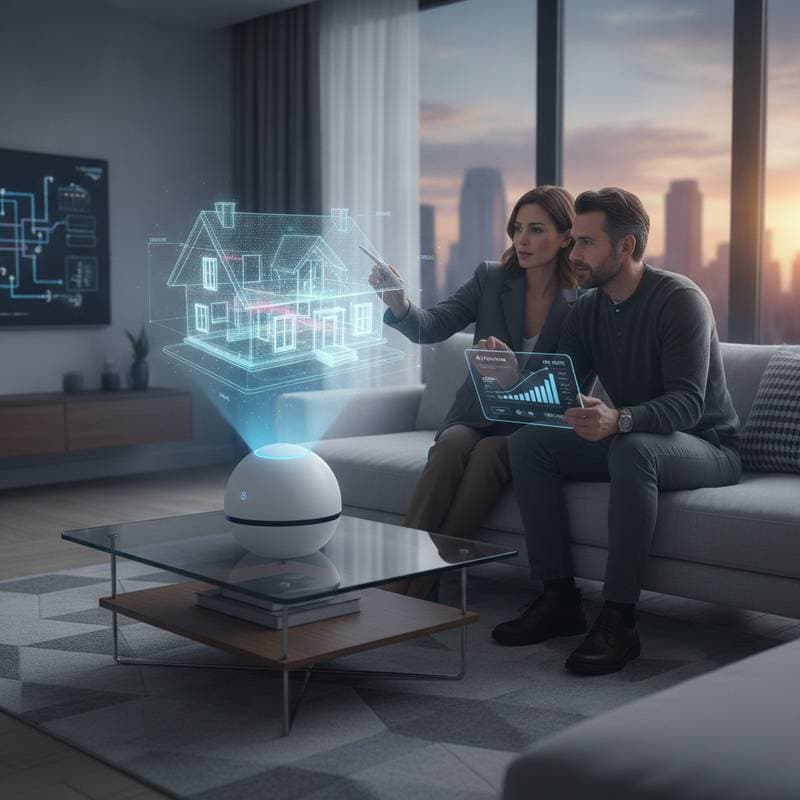
AI home inspection tools change how property assessments occur by delivering faster and more consistent results than traditional methods alone. A professional AI-assisted home inspection typically costs between $250 and $600, with the national average around $425 for a single-family home.
Three main factors influence these costs: property size, inspection depth, and technology integration. Larger homes require more scanning time. Premium AI platforms add analytical capabilities. Hybrid inspections that combine human expertise with AI data provide the highest accuracy.
Early reports from property technology analysts show that AI-supported inspections can reduce error rates by up to 40 percent compared to manual-only approaches. For homebuyers, that means fewer surprises after purchase and a clearer understanding of the property condition.
AI inspection platforms such as Inspectify AI, HouseScan Pro, and HomeVision Cloud are now used by certified inspectors across the country. Their ability to identify hidden moisture, foundation shifts, and electrical irregularities before they become major repairs can save homeowners thousands. Choosing an AI-powered inspection offers convenience along with measurable value when making one of life largest investments.
Understanding the Cost Breakdown of AI Home Inspections
The pricing of AI-based home inspections follows a tiered structure that blends traditional labor charges with technology access fees. Most companies use a per-square-foot model, averaging $0.15 to $0.25 per square foot. Smaller homes under 1,500 square feet often fall near the $300 range, while properties exceeding 3,000 square feet can reach or exceed $600.
A minimum service fee of about $250 applies even for compact condos or apartments. Based on national data from inspection networks, about 25 percent of homeowners pay below $350, half pay near $425, and 25 percent exceed $550 for high-tech inspections.
Size and Scope Factor
Every additional 500 square feet typically adds $40 to $75 to the total inspection cost. Homes with multiple levels or detached structures like garages require extra scanning, which increases time and data processing. Homes with complex layouts can take 30 percent longer to analyze when full 3D mapping is used.
Material and Quality Tiers
Entry-level AI inspections use mobile imaging and basic pattern recognition. These versions cost $250 to $350 and provide surface-level defect detection.
Mid-range packages, priced around $400 to $500, include thermal imaging, humidity readings, and automated report generation using brands like FLIR One Pro sensors integrated with AI dashboards.
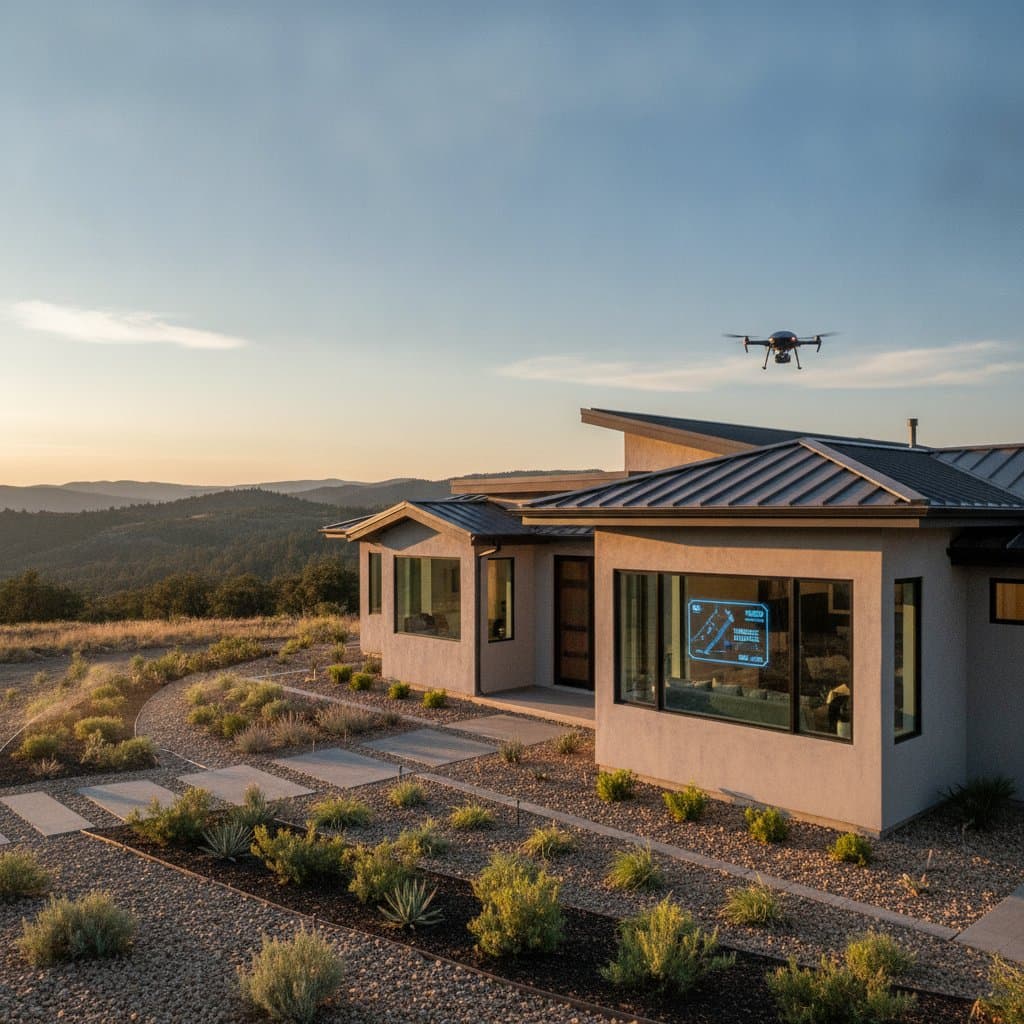
Premium AI inspections, often exceeding $600, use drone-assisted roof imaging, infrared mapping, and predictive maintenance scoring. These systems, offered by companies such as HomeVision Elite, can forecast potential failures months in advance and include warranty-backed insights that appeal to cautious buyers.
Complexity and Accessibility Variables
Hard-to-reach areas, crawl spaces, and properties with limited connectivity can increase costs by 10 to 15 percent due to additional manual verification. Inspectors also account for local building codes and regional data models that influence the AI interpretation. Urban markets with higher labor rates, such as coastal metros, tend to charge 15 to 20 percent more than rural areas, where traditional inspections remain dominant.
Comparing Service Packages and Pricing Options
Standard AI Inspection Package
A standard AI inspection includes a full structural scan using mobile and stationary sensors, roof and foundation imaging, automated defect recognition, and a summary report with confidence ratings.
Most inspections take about two to three hours and cost $350 to $450. This option suits typical resale homes and gives buyers a dependable overview of property health.
Comprehensive AI Inspection Package
Comprehensive packages include all standard features plus drone roof analysis, HVAC efficiency testing, moisture penetration mapping, and predictive maintenance forecasting.
These advanced packages cost $550 to $750, about 30 percent more than standard inspections. They can improve resale negotiations by up to 5 percent when sellers use AI reports to document proactive maintenance.
Add-On Services and Bundles
- Mold detection AI scan: $80 to $120
- Energy efficiency report: $60 to $100
- Smart home diagnostic bundle: $100 to $150
Bundling these services can save 15 percent on total costs. Scheduling during midweek often yields small discounts from inspection firms seeking to balance workloads.
Professional vs. DIY AI Inspection
A homeowner can attempt a basic DIY AI inspection using consumer apps such as HomeLens AI or ScanNest, paired with a smartphone or portable sensor kit costing $150 to $250. Additional tools like thermal cameras add about $200, and learning to interpret results can take several hours. The overall DIY cost usually ranges from $350 to $500, but reliability varies. Misinterpreting data can lead to missed structural issues that cost thousands later.
Professional inspectors bring certified training, liability coverage, and access to enterprise-grade AI platforms worth thousands in licensing. The professional route saves time, generates standardized digital reports, and includes insurance-backed warranties valued at $50 to $100 per job. For most buyers, the break-even point favors professional inspections, especially when property values exceed mid-market levels.
Smart Strategies to Save on AI Inspection Costs
Booking inspections during off-peak seasons can cut costs by 10 to 20 percent. Early morning appointments or midweek scheduling often qualify for small discounts. Comparing at least three quotes through platforms like Angi or Thumbtack can reduce total cost by an average of 12 percent.
Homeowners can prepare by clearing attic access, unlocking utility panels, and providing previous maintenance records. These steps can trim $25 to $50 in labor time. Paying electronically or scheduling repeat services with the same provider may also unlock loyalty pricing.
Practical Steps to Get Started with AI Inspections
Select a certified inspector who uses established AI platforms and request sample reports before booking. Review the inspection scope in advance to confirm coverage of key areas such as foundations, roofs, and electrical systems. After the inspection, use the predictive maintenance scores to prioritize repairs and negotiate with sellers. This approach turns inspection data into clear next actions that protect your investment over time.