Why Outdoor Kitchen Costs Are Surging in 2025
Outdoor kitchens rank among the top backyard enhancements sought by homeowners nationwide. These spaces provide robust cooking areas, resilient seating options, and seamless venues for gatherings. However, initial quotes often exceed expectations, driven not merely by general inflation but by targeted factors such as supply disruptions, stringent building regulations, and a shift toward comprehensive installations that rival indoor kitchen sophistication.
The appeal lies in transforming underutilized outdoor areas into functional extensions of the home. As more families prioritize al fresco living, the complexity of these projects escalates, pushing average costs upward. Understanding these dynamics allows for informed planning and potential savings.
Components of an Outdoor Kitchen and Ideal Implementation Timing
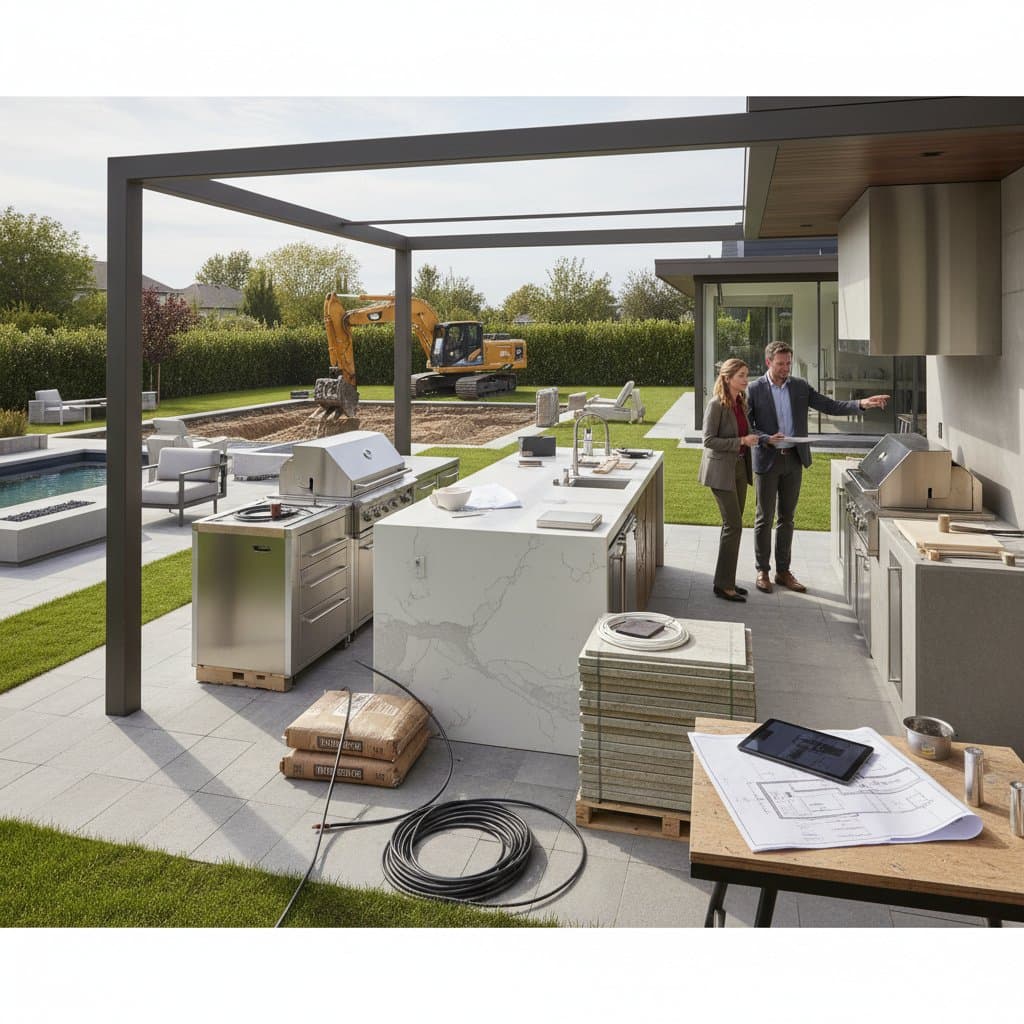
A standard outdoor kitchen spans 100 to 300 square feet, incorporating essential elements like a built-in grill, a sturdy stone or steel foundation, durable countertops, a sink, and ample storage. Contemporary designs frequently incorporate refrigeration units, ambient lighting, and dedicated gas lines for enhanced convenience. Such an addition proves worthwhile for frequent outdoor cooks who possess a covered patio or pavilion and intend to reside in the property long-term to realize the investment's value.
Before proceeding, evaluate your lifestyle and property layout. If indoor-outdoor flow is a priority and weather patterns support year-round use, the setup aligns well with modern home improvement goals. Consulting local experts early helps identify site-specific opportunities.
Advantages, Drawbacks, and Optimal Applications
Advantages
- Extends usable living areas without structural expansions
- Enhances property marketability, particularly for homes in the mid-to-high price range
- Confines cooking odors and heat to exterior zones
Drawbacks
- Substantial initial investment covers utilities and premium finishes
- Environmental exposure accelerates wear on equipment
- Multiple permits may be necessary for gas, water, and electrical integrations
Optimal Applications: Properties in temperate regions with protective coverings, such as pergolas or enclosures, yield the greatest durability and enjoyment. Families hosting regular events benefit most from these versatile spaces.
Detailed Cost Analysis and Primary Influences
Current outdoor kitchen investments range from $8,000 for modest configurations to $45,000 for expansive, feature-rich builds. Variations stem from design scale, material selections, and utility intricacies.
| Scope Item | Material Cost Range | Labor Cost Range | Total Range | Notes on Drivers |
|---|---|---|---|---|
| Base framing and masonry | $2,000 - $8,000 | $2,000 - $5,000 | $4,000 - $13,000 | Choices between concrete blocks and steel frames, plus stone varieties affect durability and expense |
| Countertops | $1,000 - $4,000 | $800 - $2,000 | $1,800 - $6,000 | Options like granite, quartz, or poured concrete influence aesthetics and heat resistance |
| Appliances and fixtures | $2,000 - $10,000 | $500 - $2,000 | $2,500 - $12,000 | Factors include grill dimensions, sink models, refrigeration capacity, and exhaust systems |
| Utilities (gas, electric, water) | $1,500 - $6,000 | $1,500 - $5,000 | $3,000 - $11,000 | Expenses rise with trenching lengths, permit fees, and proximity to the main residence |
| Finishes and lighting | $800 - $3,000 | $800 - $2,000 | $1,600 - $5,000 | Selections in tiles, paving materials, and energy-efficient LEDs add both style and functionality |
Three Key Cost Influence Categories:
- Material Quality Levels: Premium choices like natural stone and marine-grade stainless steel elevate expenses while providing superior longevity and warranties.
- Installation Intricacies: Integrating gas and electrical systems often incurs higher inspection costs and extended timelines.
- Site Preparation Challenges: Restricted access in compact yards or uneven terrain demands additional groundwork and specialized machinery.
In 2025, global supply chain recoveries remain uneven, particularly for imported stones and metals, contributing to a 10-15% year-over-year increase in base material prices. Regulatory updates in many regions now mandate energy-efficient appliances and eco-friendly drainage, further inflating budgets for compliant designs.
Phased Construction Guide
Personal Protective Equipment: Sturdy gloves, protective eyewear, and hearing safeguards are essential throughout.
- Design and Approval Phase: Develop detailed layouts, map utility routes, and conduct thorough code assessments with local authorities.
- Foundation Preparation: Excavate the area and pour a stable concrete slab or lay interlocking pavers for a solid base.
- Utility Integration: Install gas lines, water supplies, and electrical wiring during the rough-in stage.
- Structural Assembly: Erect fire-resistant masonry walls or modular panels, ensuring compliance near cooking elements.
- Appliance and Surface Installation: Position grills, sinks, and countertops, verifying adequate spacing for safety and airflow.
- Final Testing and Protection: Perform leak checks on gas systems, confirm drainage efficacy, and apply protective sealants.
For DIY enthusiasts, allocate two to three weekends, focusing on modular kits to simplify assembly. Professional teams typically finish mid-sized projects in one to two weeks, accounting for mandatory inspections and weather delays.
Regulatory Compliance, Permits, and Safety Protocols
Permits are invariably required for gas and electrical components in most jurisdictions. Building codes stipulate ground-fault circuit interrupter outlets, flexible gas connectors, and accessible shut-off valves. Maintain a minimum 12-inch buffer between ignition sources and flammable items to mitigate fire risks.
Neglecting these steps can invalidate homeowner insurance policies during incidents. Engage certified inspectors at key milestones to ensure adherence and avoid costly rework. In 2025, emerging codes emphasize sustainable practices, such as low-VOC sealants and water-conserving fixtures.
Pitfalls to Sidestep in Outdoor Kitchen Projects
- Installing gas or electrical conduits without proper grounding or protective sheathing
- Incorporating appliances or cabinets rated solely for indoor environments
- Overlooking terrain grading for optimal water runoff
- Neglecting space allowances for operational features like hood elevations or cooling vents
These oversights not only compromise safety but also lead to premature failures and escalated repair bills. Prioritize professional consultations for high-risk elements to safeguard long-term performance.
Upkeep Routines and Expected Durability
Routine Maintenance Schedule:
- Post-Installation: Apply sealants to stone and concrete elements to prevent moisture ingress.
- Seasonal Tasks: Thoroughly clean burners, inspect gas connections, and utilize protective covers for equipment.
- Yearly Inspections: Examine grout integrity, replace deteriorated seals, and reapply protective coatings.
Diligent maintenance extends the lifespan to 10 to 20 years, with high-end materials like stainless steel and dense stone pushing toward the upper limit. Regular care preserves aesthetics and functionality, maximizing the return on your investment.
Guidelines for Choosing Professional Versus Self-Build Approaches
Apply the DIY Evaluation Framework:
- Competency Assessment: Verify proficiency in masonry techniques, basic plumbing, and electrical wiring.
- Hazard Evaluation: Recognize elevated risks associated with gas and power connections.
- Resource Check: Confirm access to specialized tools, including concrete cutting saws, trenching equipment, and crimping devices.
Professionals excel in complex integrations and code navigation, often completing work faster with warranties. DIY suits simpler, prefabricated designs but demands rigorous self-auditing for safety.
Project Preparation Inventory
| Category | Requirements |
|---|---|
| Tools Required | Spirit level, power saw, drill set, adjustable wrenches, trowel |
| Skills Required | Fundamental framing, electrical basics, plumbing fundamentals |
| Safety Gear | Work gloves, safety goggles, dust respirator |
| Permits Needed | Approvals for gas, electrical, and plumbing systems |
| Preparation Steps | Utility line location services, foundation stability checks |
| Environmental Factors | Schedule outside of freezing conditions or intense rainfall |
Strategies for a Rewarding Outdoor Kitchen Investment
To navigate 2025's cost landscape, start by sourcing quotes from multiple certified contractors and exploring modular component kits for flexibility. Focus on versatile, low-maintenance materials that align with your usage patterns. By addressing site challenges upfront and adhering to updated codes, you secure a durable space that enhances daily life and property value for years ahead.