The Rise of Multigenerational Home Designs
Housing trends in 2025 emphasize shared living arrangements that address economic pressures and family dynamics. Multigenerational homes allow parents, adult children, and relatives to reside together while preserving individual privacy. These designs integrate separate living spaces with communal areas, offering a practical solution to rising costs and caregiving demands.
Homeowners benefit from reduced expenses through shared mortgages, utilities, and maintenance. At the same time, these homes foster stronger family ties. Success hinges on thoughtful planning that aligns architecture with family needs.
Defining Multigenerational Living
Multigenerational homes house at least two generations of adults, each with dedicated spaces for independence. Common features include in-law suites, accessory dwelling units, or divided interiors with private entrances. These elements ensure functionality without sacrificing personal boundaries.
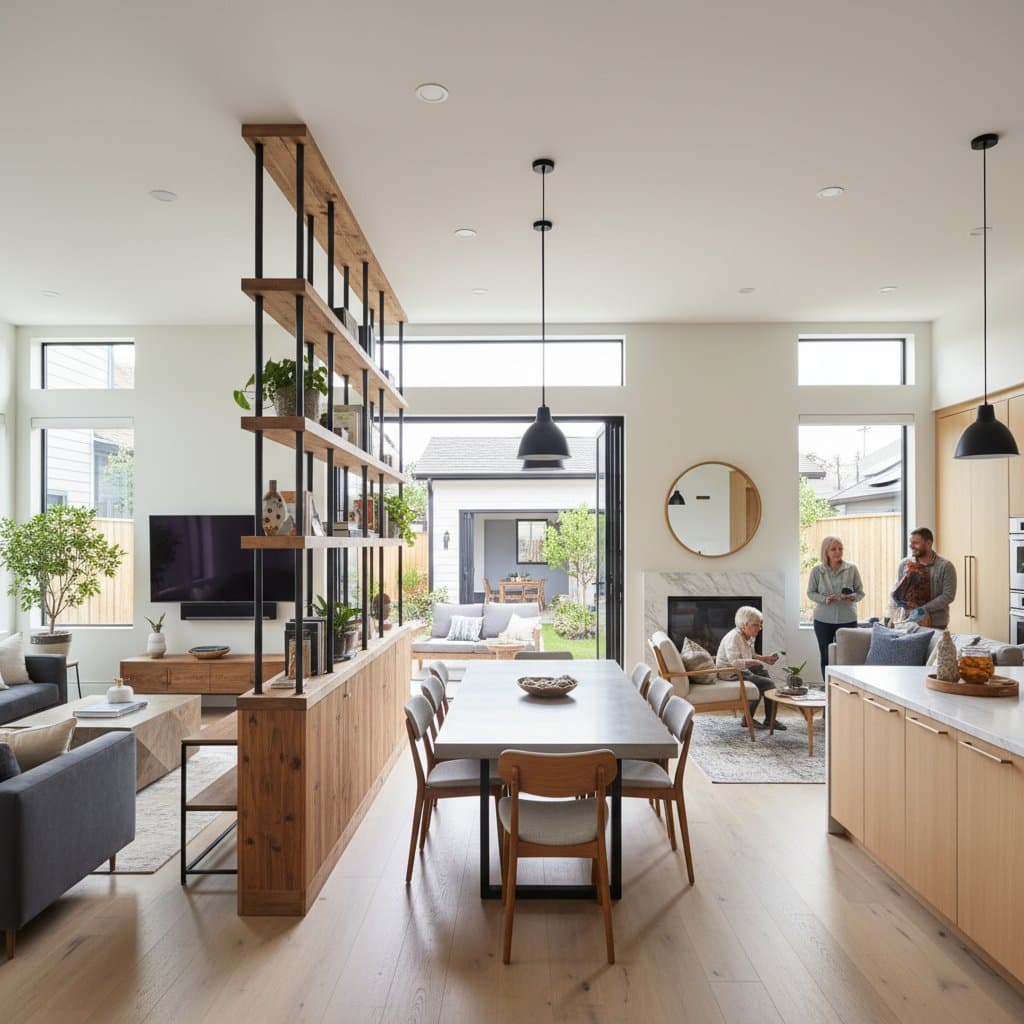
Designers prioritize adaptable floor plans that evolve with life changes, such as elderly parents relocating or young adults returning home. Shared zones like kitchens or living rooms promote interaction, while private areas maintain autonomy. This balance creates homes that support both connection and solitude.
Cost Structure and Financial Analysis
Shared ownership lowers overall housing expenses by distributing mortgage, utility, and upkeep costs among residents. Families often save thousands annually compared to separate households. However, initial investments demand careful evaluation.
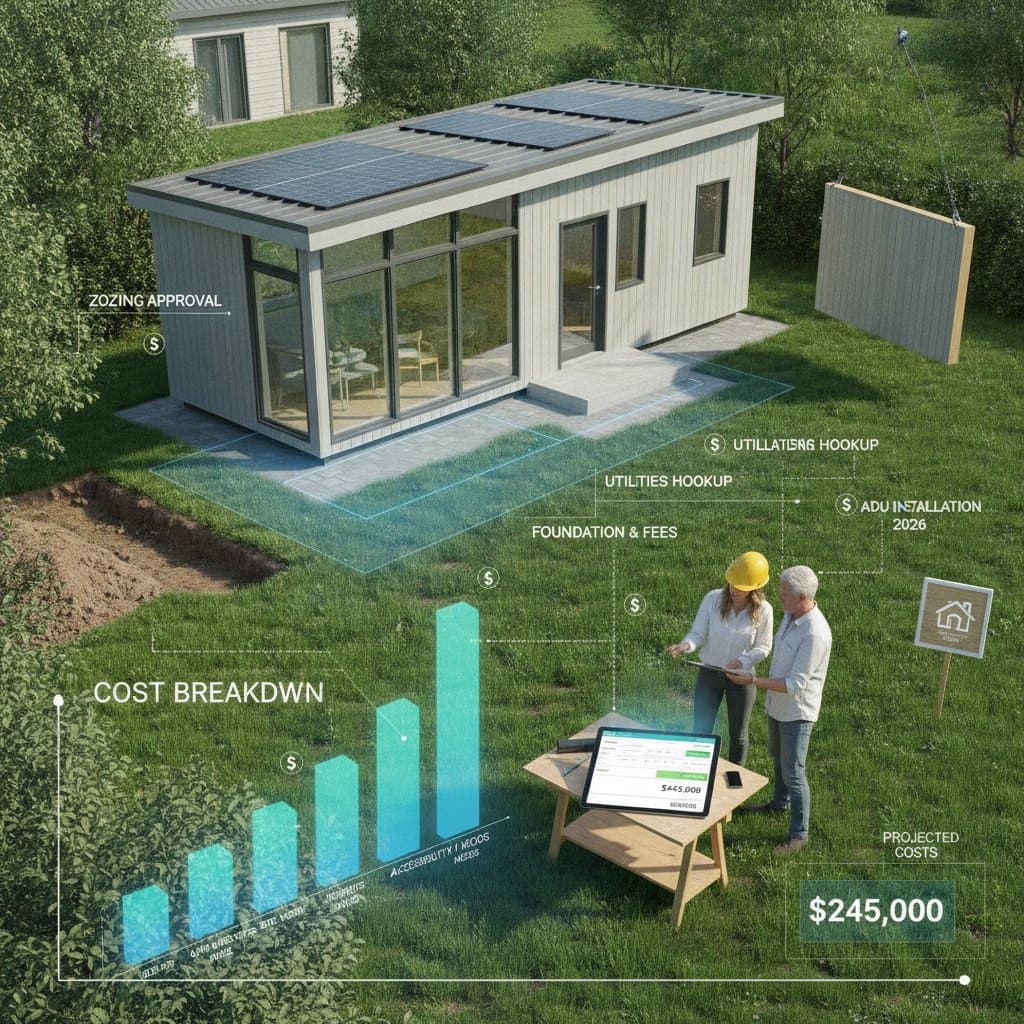
Construction of multigenerational homes typically costs more due to expanded square footage, dual kitchens, and upgraded infrastructure. Expect premiums for specialized features like soundproofing or accessibility ramps. Renovating existing properties can add significant expenses based on structural needs.
Financing options vary; some lenders view secondary units as distinct assets, impacting loan approvals and insurance. Review policies to confirm coverage for all areas, including detached structures. Factor in zoning fees, utility separations, and potential tax increases for a complete financial picture.
Understanding the Design Process
The design journey starts with a family assessment to map occupancy and shared resource use. Identify needs for mobility, storage, and daily routines early on.
Architects then develop plans emphasizing accessibility, noise reduction, and light flow. Incorporate features like wide hallways or adjustable counters to future-proof the space.
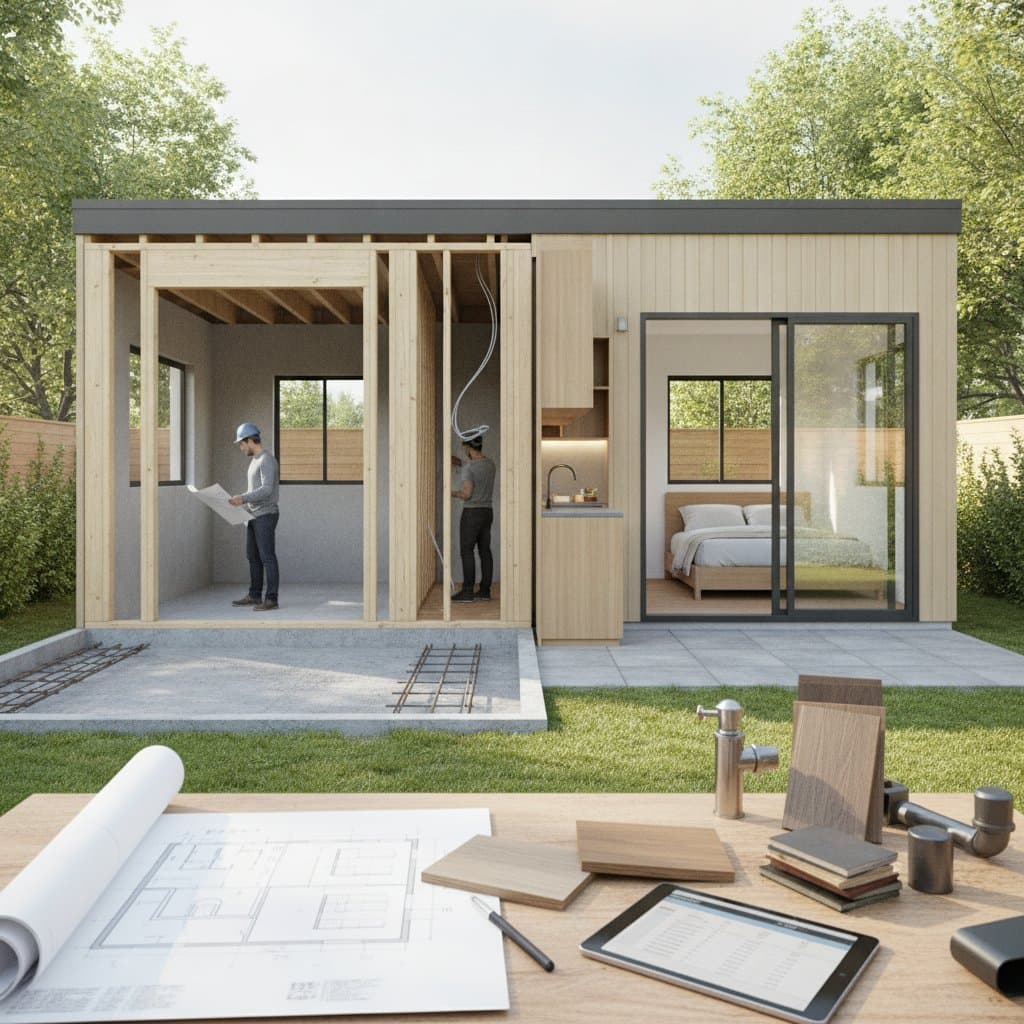
Secure permits by consulting local regulations on secondary units and occupancy limits. Construction follows with coordinated trades for independent systems, such as separate HVAC or electrical setups.
Conclude with inspections to validate safety and compliance. Document every step to clarify financial contributions and avoid future conflicts.
Coverage Limitations and Regulatory Challenges
Local zoning often restricts secondary kitchens or unit sizes, requiring extra parking or setbacks. Research municipal codes to ensure project viability.
Insurance policies may exclude detached suites or rental income; obtain endorsements for comprehensive protection. Clarify coverage for shared systems to mitigate risks.
Maintenance agreements prevent disputes over repairs. Assign responsibilities clearly, such as one party overseeing plumbing and another handling exteriors. Include service details like fees and response times in family pacts.
Financial Implications and Long-term Value
Well-planned multigenerational homes boost property equity while cutting long-term costs. Track total ownership expenses, including upgrades for aging in place.
Perform a break-even calculation: compare build costs against savings from avoided separate rents. Shared living frequently offsets investments within a decade.
Secondary units may depreciate quicker, so consult appraisers familiar with these markets. Strategic design enhances resale appeal by highlighting flexibility.
Decision Framework for Homeowners
Evaluate lifestyle fit by discussing privacy needs and daily habits. Ensure the arrangement supports caregiving without overwhelming any member.
Project budgets covering build, operations, and contingencies. Use spreadsheets to forecast shared versus individual expenses.
Verify legal aspects like building codes and HOA rules upfront. Plan for adaptability, such as modular walls for reconfiguration.
Treat the home as an investment: weigh emotional benefits against practical demands for informed choices.
Common Risks and Consumer Protections
Ambiguous contracts lead to ownership disputes; draft agreements specifying shares, duties, and inheritance.
Select builders with proven multigenerational experience. Check licenses, references, and warranties to ensure reliability.
Anticipate hidden fees for utilities or modifications; demand detailed bids. Include mediation in contracts for conflict resolution.
Tie payments to milestones, verified by inspections, to safeguard funds.
Quality Assurance and Inspection Practices
Test all systems during construction, from HVAC efficiency to electrical safety. Independent zones must function without interference.
Schedule regular checks to catch issues early. Retain permit and inspection records for accountability.
Hire qualified technicians skilled in multi-unit setups. Confirm their insurance to limit homeowner liability.
Long-term Maintenance and Operational Planning
Set annual routines for inspections and tune-ups to sustain performance. Divide tasks fairly, like assigning HVAC to one resident and grounds to another.
Install separate meters for utilities to promote equity. Address usage imbalances promptly to maintain harmony.
Regular reviews of agreements keep operations smooth as needs evolve.
Protecting Your Investment
Combine family dedication with solid planning for lasting success. Engage lawyers and advisors for contract and tax reviews pre-build.
Foster ongoing dialogue and financial transparency during occupancy. Routine audits ensure fairness.
A thoughtfully managed multigenerational home delivers cost savings, adaptability, and relational depth. It secures family stability across generations through prudent stewardship.