Reduce Waste and Enhance Sustainability through Home Composting
Essential Overview
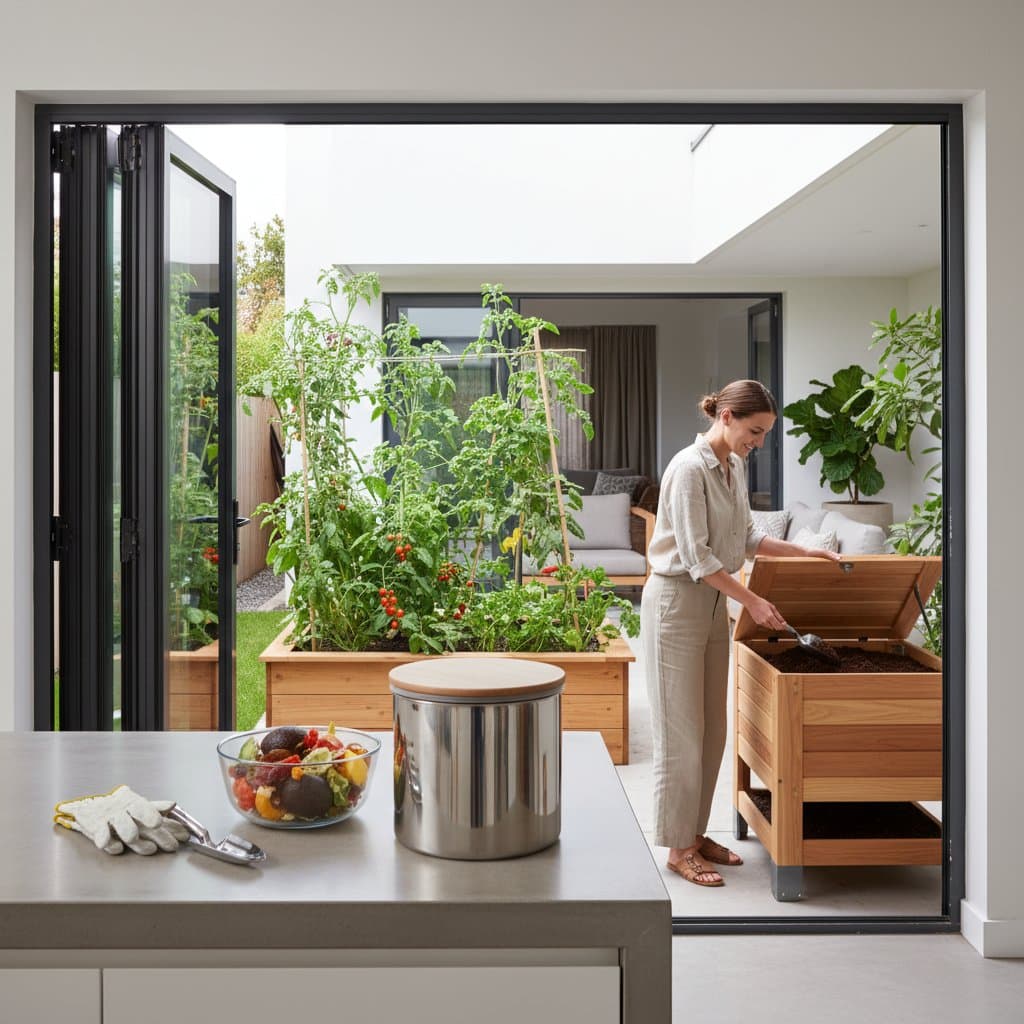
Home composting transforms kitchen and yard waste into a valuable soil amendment rather than contributing to landfill accumulation. Individuals can initiate the process on various scales, ranging from a compact bin to an expansive outdoor pile. Maintaining an appropriate ratio of nitrogen-rich greens and carbon-rich browns prevents unpleasant odors. The resulting compost enhances soil structure, improves water retention, and promotes robust plant growth.
Advantages and Challenges
Advantages
- Decreases household waste volume by as much as 50 percent.
- Lowers methane emissions from landfills and reduces waste disposal expenses.
- Supplies no-cost fertilizer and soil conditioner.
- Functions effectively in diverse climates when moisture levels receive proper management.
Challenges
- Requires periodic turning and consistent moisture monitoring.
- Potential to attract pests if materials lack coverage or balance.
- Demands several months for the compost to reach maturity.
- Necessitates outdoor space or a suitable indoor containment system.
Guide to Establishing a Compost System
Required Tools and Materials
- Compost bin or tumbler constructed from plastic, wood, or metal
- Garden fork or aerator tool
- Covered container for collecting kitchen scraps
- Brown materials such as dried leaves, shredded paper, or straw
- Green materials including fruit and vegetable scraps, coffee grounds
- Access to water for regulating moisture
Estimated Time: Initial setup requires 30 minutes; ongoing maintenance involves 5 minutes weekly.
Level of Difficulty: Ranges from easy to moderate, influenced by the scale of the system.
1. Select an Appropriate Location
Choose a flat, shaded area that offers effective drainage. Position the setup away from the home's foundation or wooden fences to prevent moisture-related damage. For tumbler systems, allow sufficient space to facilitate easy rotation.
2. Assemble the Bin
Position an open-bottom compost bin directly on bare soil to enable access for worms and beneficial microbes. In enclosed units, create small drainage holes in the sides and base to promote airflow and prevent waterlogging.
3. Establish the Base Layer
Begin with a layer of coarse elements like small twigs or straw. This foundation facilitates air circulation and avoids compaction or sogginess at the pile's base.
4. Incorporate Greens and Browns
Layer green materials, which provide nitrogen, with brown materials, which supply carbon. Maintain a ratio of approximately three parts browns to one part greens. Chop items into smaller pieces to accelerate the decomposition process.
5. Regulate Moisture Levels
The compost pile should maintain the consistency of a wrung-out sponge. Introduce water if the mixture dries excessively, or incorporate shredded paper to absorb surplus moisture.
6. Aerate the Pile
Every one to two weeks, use a fork or trowel to turn the compost. This action supplies oxygen to the microbes, accelerates breakdown, and mitigates odor development.
7. Monitor Progress
Observe for signs of activity, such as rising heat or visible steam, which indicate effective decomposition. A sour smell signals the need for additional brown materials; a dry, inactive appearance suggests adding greens or water.
8. Collect Mature Compost
Harvest the compost once it achieves a dark, crumbly texture with an earthy aroma. This stage typically occurs after two to six months, depending on the material composition and ambient temperature. Sieve the product to separate larger fragments for further processing.
Comparing DIY and Professional Approaches
Suitable for DIY When:
- Basic handling of yard tools and moisture oversight presents no difficulty.
- Adequate outdoor space exists, or a well-ventilated indoor bin suffices.
- Management of organic waste aligns with personal comfort levels.
Consider Professional Assistance When:
- Integration with landscaping or irrigation systems proves desirable.
- Physical limitations or space constraints hinder personal management.
- Handling substantial waste volumes requires commercial equipment.
Distinct Professional Contributions:
Professionals assess waste generation to determine optimal system size, incorporate advanced ventilation, and align drainage with municipal regulations. They also implement specialized odor mitigation for constrained urban environments.
Alternative Composting Methods
Vermicomposting:
Ideal for limited indoor areas, this method employs worms to rapidly process food scraps. Provide bedding such as shredded newspaper and consistent moisture. The process yields a potent liquid byproduct known as worm tea, rich in nutrients.
Bokashi Fermentation:
Suited to apartment living or colder regions, Bokashi utilizes microbe-inoculated bran to ferment waste in sealed bins. The fermented material buries directly in soil for final decomposition.
Municipal Composting Services:
Optimal for those unable to maintain personal systems, many municipalities provide dedicated green waste collection or drop-off facilities. This option diverts waste from landfills without requiring direct oversight.
Frequently Asked Questions
Which Materials Suit Composting?
Suitable items include fruit and vegetable scraps, coffee grounds, crushed eggshells, plain paper, yard trimmings, and non-glossy cardboard. Exclude meat, bones, dairy products, and items with high oil content.
How to Prevent Pest Infestations?
Bury food scraps beneath layers of brown materials, secure all lids firmly, and omit animal-based products. Install wire mesh at the base to deter rodents.
What Causes Unpleasant Odors?
Bad smells arise from excess greens or insufficient aeration. Remedy the issue by adding dry leaves or paper and thoroughly turning the pile.
Is Composting Feasible in Winter?
Composting continues year-round, albeit at a reduced pace. Insulate the pile with straw or leaves, or opt for a tumbler to preserve internal heat.
When Is Compost Ready for Use?
Apply compost once it resembles soil in appearance and scent, with no identifiable scraps remaining. Immature compost may deplete soil nitrogen, so allow full maturation.
Preparation Checklist
- Identify a shaded location with proper drainage.
- Collect a balanced assortment of green and brown materials.
- Initiate layering with adequate airflow at the base.
- Maintain dampness without excess wetness.
- Aerate the pile every one to two weeks.
- Extract mature compost and begin fresh layers.
- Exclude meat, dairy, and oily substances.
- Verify compliance with local regulations for bin placement.
Strategies for Optimal Results
Employ a kitchen collection pail equipped with a charcoal filter to gather scraps odor-free. Dice larger items prior to addition to expedite decomposition. Store a reserve of shredded leaves or paper for immediate use with each batch of food waste.
In gardening applications, incorporate compost into soil prior to planting. For lawn care, apply a sifted, thin layer as topdressing to enhance moisture retention and diminish reliance on synthetic fertilizers.
Observe seasonal variations in pile performance. During warmer periods, decomposition accelerates, necessitating more frequent turning. In cooler conditions, add insulation or relocate the bin to a sunnier position.
Annual spring soil testing reveals compost's impact on pH equilibrium and nutrient profiles. Well-amended soil fosters deeper root systems and lessens the necessity for chemical inputs.
Implement Composting Today
Composting requires neither extensive space nor specialized equipment. A modest bin, consistent routine, and attentive monitoring suffice to begin. With practice, sorting scraps and aerating the pile integrate seamlessly into daily habits.
Benefits emerge promptly: diminished waste volume, reduced disposal costs, and enriched soil that nurtures thriving plants. Initiate a basic system this week and observe the immediate reduction in trash output.