Prefab Modular Additions: 2026 Costs and Savings
Summary Box
National average cost: $145,000
Typical range: $95,000 to $215,000
Low end and high end: $65,000 for a small single-room module to $300,000 for a multi-section addition
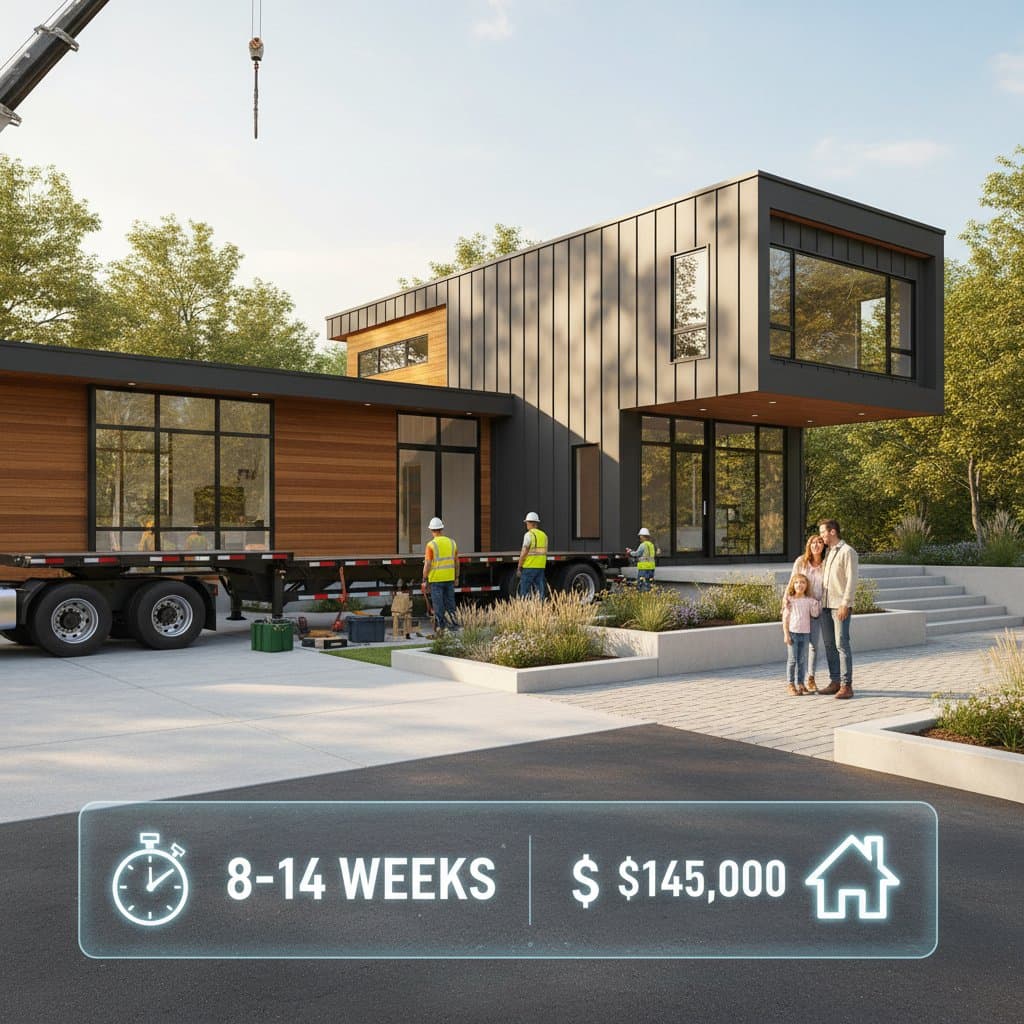
Time to complete: 8 to 14 weeks from design to occupancy
DIY or Pro: Professional management required, with limited homeowner preparation options
ROI or resale impact: 60 to 80 percent return based on design integration and local market conditions
Updated: March 2026
Prefab modular additions provide homeowners with an efficient method to increase living space. These units arrive from the factory fully equipped with electrical wiring, plumbing systems, and insulation. On-site teams position the modules, integrate utilities, and finalize interior details, which reduces construction disturbances and accelerates the overall process compared to traditional on-site building techniques.
Understanding Cost Factors
Scope and Size Considerations
The extent of the project and its dimensions directly influence expenses. Larger additions benefit from economies of scale, as delivery and crane operations represent fixed costs. For instance, a single-room module such as a bedroom or home office incurs higher per-square-foot rates than a comprehensive multi-room extension, where shared infrastructure lowers the proportional expense.
Material Quality and Finishes
Options for interior and exterior elements vary widely in the factory setting. Basic selections include vinyl flooring and standard cabinetry, while premium choices feature hardwood surfaces and natural stone accents. Upgrades typically increase costs by $10 to $40 per square foot. Ensuring alignment with the home's current siding and roofing materials requires additional planning and budgeting to maintain aesthetic continuity.
Site Preparation and Accessibility
Property characteristics play a significant role in pricing. Challenging terrains, such as sloped landscapes or confined urban lots, demand extended crane usage and precise delivery logistics. Properties in remote areas may incur extra charges for transportation, including road permits, escort vehicles, or temporary access pathways to facilitate module arrival.
Regional Labor and Seasonal Influences
Local workforce availability and weather patterns affect timelines and budgets. Harsh winter conditions or saturated soil can postpone foundation preparation, leading to higher holding costs. In densely populated regions with competitive skilled labor markets, rates for installation crews and equipment rental rise accordingly.
Customization and Modifications
Deviations from standard modular blueprints, such as structural connections to the existing structure or bespoke window placements, introduce additional fees. These changes necessitate extended design consultations and on-site adjustments, often adding framing work that exceeds initial estimates.
Strategies to Minimize Costs Effectively
Selecting Practical Alternatives
Homeowners achieve savings by choosing moderate-grade factory finishes and deferring luxury enhancements until later. For example, installing prefinished laminate flooring or stock cabinetry during production can reduce outlays by $5,000 to $10,000 relative to bespoke options, allowing funds for post-installation personalization.
Optimizing Preparation to Cut Labor Time
Advance site work proves essential for efficiency. Completing earthwork, pouring the foundation, and installing utility connections prior to module delivery prevents costly delays. Post-arrival interruptions, such as unresolved groundwork, result in crane idle time and potential rescheduling penalties from the manufacturer.
Leveraging Timing and Volume Discounts
Scheduling during factory off-peak periods, typically slower seasons, often secures reduced production rates. Inquire about bundling multiple modules into a single shipment or coordinating with adjacent property owners to share transportation expenses, which can substantially lower per-unit delivery fees.
Essential Questions for Quote Comparisons
Obtain detailed proposals from at least three reputable providers to ensure competitive pricing and clarity. Key inquiries include:
- Does the package encompass foundation construction, or must a separate subcontractor handle it?
- Will interior finishes and roof integration match the home's existing style?
- What assumptions apply to delivery proximity and included crane expenses?
- Who manages permitting and inspection processes: the builder or the homeowner?
- Does the estimate specify precise square footage along with a detailed finish inventory?
These questions reveal hidden costs and align expectations from the outset.
Project Timeline and Key Milestones
Efficient planning hinges on understanding each phase's duration. The process unfolds as follows:
- Design and Permitting: This initial stage spans 3 to 6 weeks, influenced by municipal review timelines and any required revisions.
- Factory Fabrication: Production requires 3 to 5 weeks, during which components like windows and custom elements are sourced and assembled.
- On-Site Delivery and Placement: Modules arrive and install within 1 to 3 days, depending on crane availability and site readiness.
- Finishing and Connections: Utility hookups and interior completions take 2 to 3 weeks, culminating in occupancy.
Anticipate potential extensions from supply chain delays for specialized materials, such as roofing or siding. Schedule inspections at critical junctures: after foundation completion, module setting, and final walkthrough to comply with codes and verify quality.
Long-Term Maintenance and Durability
When installed and sealed correctly, prefab modular additions match the longevity of conventional constructions, offering a structural life exceeding 50 years. Routine upkeep preserves both functionality and appearance, preventing issues like moisture infiltration or material degradation.
Recommended Care Practices
Inspect seals around joints and connections annually to address any weathering or shifts. Clean gutters and flashing regularly to divert water away from the structure. Apply protective coatings to exterior surfaces every few years, following manufacturer guidelines for paint or sealant types compatible with the materials used. Monitor interior humidity levels to safeguard against mold, using dehumidifiers in enclosed spaces if necessary. Address any cracks in foundations or walls promptly through professional evaluation to maintain integrity over decades.
These habits ensure the addition enhances home value without ongoing concerns.
Realizing Lasting Value from Your Expansion
Investing in a prefab modular addition delivers more than immediate space; it provides a strategic upgrade that aligns with modern living needs. By shortening construction periods to 8 to 14 weeks and controlling costs around $145,000 for typical projects, this method minimizes family disruptions while maximizing return potential of 60 to 80 percent upon resale. Homeowners who prioritize detailed planning and quality integration enjoy enhanced comfort, energy efficiency, and property appeal for years ahead.