Permitting Costs Jump $1,300 for Home Additions
Homeowners who plan additions to their properties encounter a significant challenge in 2025: permitting fees have increased by 35 percent, adding $1,300 to the average cost. This surge brings the typical fee to approximately $2,000, affecting projects from simple room extensions to complex multi-room builds. These changes stem from broader industry pressures, and understanding them helps in effective planning.
Reasons for the Permitting Fee Increase
Local governments face mounting operational costs that directly influence permitting fees. Staffing shortages in building departments require agencies to hire specialists at higher salaries, which passes expenses to applicants. For instance, many municipalities report vacancies in inspection roles, leading to reliance on temporary consultants.
Implementation of digital permitting systems also contributes to the rise. Transitioning to online platforms demands substantial investments in software and training. These systems aim to streamline processes, yet initial setup costs elevate fees across the board.
Sustainability mandates represent another key driver. New regulations require permits to incorporate energy-efficient designs and eco-friendly materials, necessitating additional reviews by environmental experts. Projects that align with green building codes may incur review fees from certified assessors, further inflating totals.
Variations in Costs by Project Size and Location
Permitting fees vary widely based on the scope of the home addition. Small projects, such as a 200-square-foot sunroom, often carry base fees around $1,000, including basic plan reviews and a single inspection. Larger endeavors, like a 1,000-square-foot family room extension, can exceed $3,000 due to multiple inspections, structural engineering verifications, and zoning compliance checks.
Location plays a critical role in these differences. Urban areas with high demand for housing, such as parts of California or New York, impose higher fees to manage volume—sometimes 50 percent above national averages. In contrast, rural regions in the Midwest might maintain fees closer to $1,500 for similar projects, reflecting lower administrative overhead.
Regional policies add layers of complexity. Coastal zones enforce stricter environmental reviews, increasing costs by 20 to 30 percent. Inland communities focused on historic preservation may require architectural consultations, adding $500 or more to the bill.
Factors That Influence Your Specific Permitting Costs
Several elements determine the exact fee for a given project. The complexity of plans submitted affects review time; detailed blueprints with precise measurements reduce revision cycles and associated charges. Incomplete submissions often lead to resubmission fees, which can add hundreds of dollars.
Zoning and land use regulations influence costs as well. Additions in flood-prone areas demand elevation certificates and hydraulic studies, pushing fees toward $2,500. Properties near protected wetlands face additional biological assessments to ensure minimal ecological impact.
The choice of materials and design features matters. Incorporating solar panels or advanced insulation triggers specialized permits under energy codes, with fees reflecting the need for utility coordination. Historic districts require preservation board approvals, which involve public hearings and expert evaluations.
Strategies to Budget Effectively for Permits
Homeowners benefit from early financial planning to accommodate these fees. Start by obtaining quotes from local building departments via their online calculators or direct inquiries. Many agencies provide fee schedules that break down costs by project type, allowing for accurate estimates.
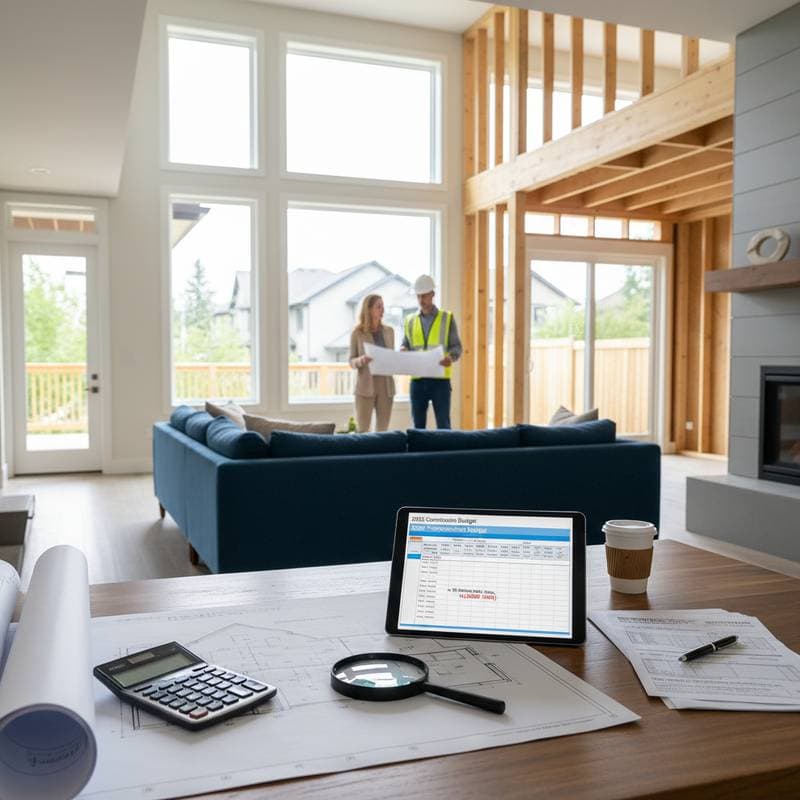
Allocate a contingency fund of 20 percent above the base fee to cover potential add-ons like expedited reviews or corrections. For a $2,000 permit, this means setting aside an extra $400. Tracking expenses in a dedicated spreadsheet helps monitor variances and adjust budgets as needed.
Consulting with contractors experienced in local codes proves invaluable. They often identify cost-saving design tweaks, such as modular components that simplify inspections. Bundling multiple permits—for electrical, plumbing, and structural—can sometimes yield discounts in progressive municipalities.
Navigating Timelines and the Approval Process
The permitting timeline typically spans 4 to 12 weeks, depending on project scale and local backlog. Simple additions receive approval in about one month, while comprehensive builds involving variances may extend to three months. Delays often arise from incomplete applications or peak season submissions.
To expedite the process, submit applications during off-peak periods, such as early spring or late fall. Preparing thorough documentation upfront— including site plans, material specifications, and neighbor notifications—minimizes back-and-forth with reviewers.
Understanding common pitfalls avoids costly holds. Failing to address setback requirements or utility connections results in denials, requiring full resubmissions. Regular check-ins with the permitting office keep projects on track and reveal any emerging issues early.
Hiring Professionals to Streamline Approvals
Engaging architects or permit expediters becomes essential for complex additions. Licensed professionals ensure compliance with codes from the outset, reducing rejection risks. Their fees, often 5 to 10 percent of total project costs, pay off through faster approvals and avoided rework.
For DIY enthusiasts, basic guidance from online resources suffices for minor projects. However, larger additions demand engineering stamps on plans to verify structural integrity. These certifications, costing $300 to $800, satisfy inspectors and prevent on-site modifications.
Selecting the right team involves verifying credentials through state licensing boards. Reputable firms provide references from recent projects, demonstrating success in navigating local bureaucracies. Clear contracts outlining permit responsibilities protect against unexpected charges.
Prepare Your Project for Success and Savings
Anticipating permitting hurdles positions homeowners for smoother executions. By grasping fee drivers and preparation steps, individuals minimize financial surprises and timeline disruptions. This approach not only safeguards budgets but also enhances the overall quality of home additions.
Ultimately, informed planning transforms potential obstacles into manageable aspects of the building process. Homeowners who invest time in research and professional input realize additions that meet personal needs while adhering to regulatory standards. The result stands as a valuable, compliant enhancement to living spaces.