Outdoor Kitchens: 2025 Costs That Deliver High ROI
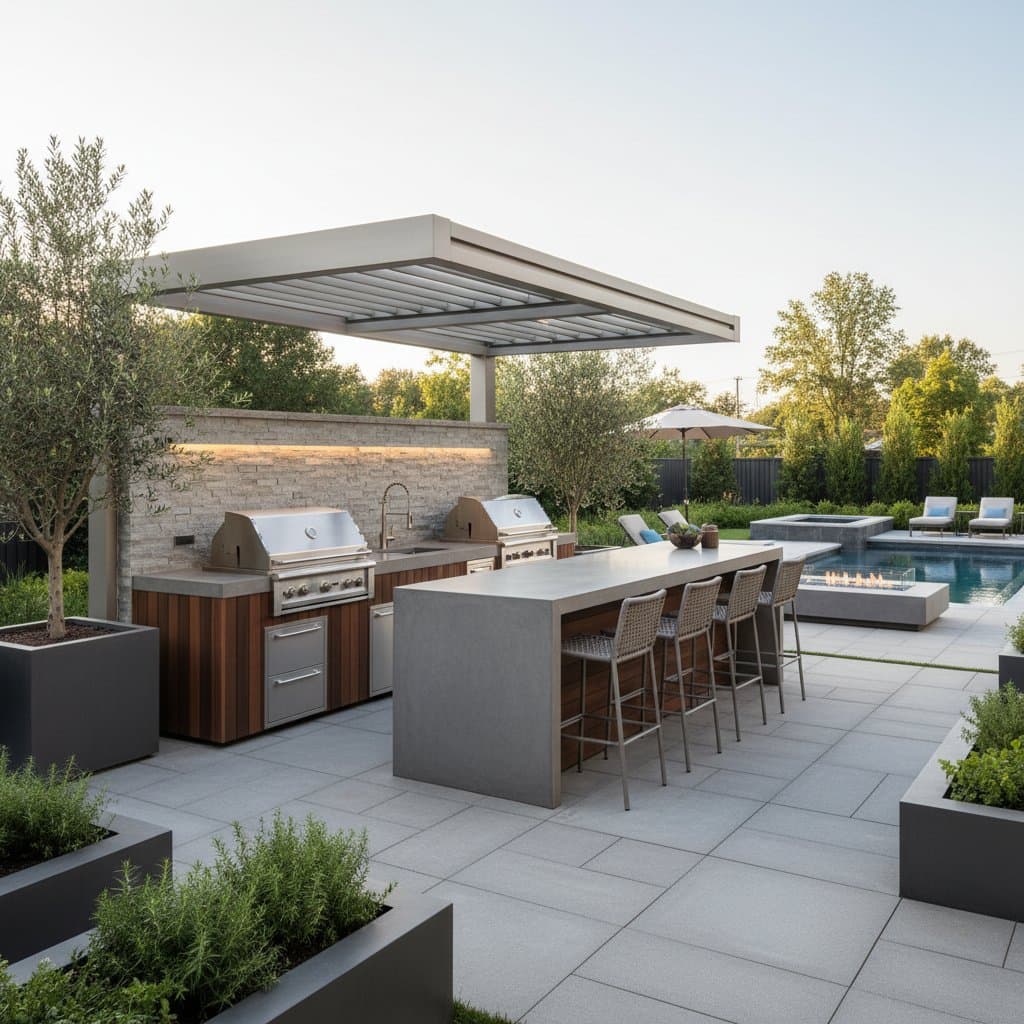
An outdoor kitchen extends the living area of a home into the backyard. This addition enhances convenience for gatherings and elevates property value. Costs fluctuate based on design and materials, yet strategic decisions yield a durable and attractive installation that recoups a significant portion of the expense.
Quick answer: Expect to invest between $7,000 and $35,000 for a standard outdoor kitchen, with many projects falling in the $15,000 to $25,000 range for comprehensive, enduring constructions. Basic modular assemblies begin at the lower threshold, whereas bespoke designs incorporating stone elements, gas connections, and premium appliances approach or exceed the higher limit. Thoughtful planning and material choices often result in a return on investment of 60 to 80 percent upon resale.
Comparing Outdoor Kitchen Options
Selecting the right type balances budget, aesthetics, and functionality. Review these categories to identify the best fit for specific needs.
| Type | Description | Typical Cost | Pros | Cons |
|---|---|---|---|---|
| Prefab or Modular | Factory-assembled components installed on-site | $4,000–$12,000 | Rapid assembly, consistent pricing, fewer permits required | Restricted customization, reduced longevity |
| Semi-Custom | Prebuilt structures customized with selected finishes and appliances | $10,000–$20,000 | Equilibrium between expense and personalization | Potential need for minor utility modifications |
| Custom Built-In | Tailored masonry or framed installations | $20,000–$50,000+ | Integrated appearance, enhanced market value | Elevated expense, extended timeline, mandatory professional labor |
Prefab options suit quick projects on flat terrain, while custom builds integrate seamlessly with existing landscapes. Semi-custom variants offer versatility for varied budgets.
Timeline and Order of Operations
Project duration varies by complexity. A compact modular kitchen assembles over a weekend, but intricate custom installations span three to six weeks, influenced by approvals, contractor schedules, and environmental factors.
Follow this sequence for efficient progress:
- Design and layout: Assess available space and specify utility requirements, such as gas or electrical access.
- Site preparation: Ensure even ground, install a concrete foundation, or construct a sturdy base to support weight.
- Framing and utilities: Install lines for gas, water, and electricity, adhering to safety standards.
- Appliance and surface installation: Secure cooking units, sinks, and countertops for stability and usability.
- Final enhancements: Add illumination, seating arrangements, and protective coverings to complete the space.
Anticipate delays from inspections or supply chain issues. Schedule trades in advance to maintain momentum.
Materials and Tools Checklist
Durable selections withstand outdoor exposure. Prioritize components rated for weather resistance to ensure longevity.
Essential materials:
- Concrete blocks, pavers, or metal frames for structural support
- Cement board or stainless steel panels for protective surfaces
- Granite, concrete, or porcelain slabs for countertops that resist heat and moisture
- Sealed cabinets or louvered doors designed for exterior use
- High-adhesion sealants and corrosion-resistant fasteners
Required tools:
- Precision level, measuring tape, and circular saw for accurate cuts
- Trowel and mixing container for masonry applications
- Drill equipped with bits suited for stone or concrete
- Adjustable wrench set for connecting appliances securely
- Protective equipment including gloves, safety glasses, and a dust mask for handling materials
Source items from reputable suppliers to avoid subpar quality. Test compatibility during planning to prevent rework.
Regional and Climate Considerations
Adapt designs to local conditions for optimal performance. Factor in environmental challenges to safeguard investments.
- Cold climates: Select materials impervious to freezing, incorporate protective enclosures, and drain water lines seasonally to prevent damage.
- Hot or humid regions: Opt for stainless steel and ceramic tiles that deter rust, outperforming coated metals in persistent moisture.
- Coastal areas: Employ marine-grade coatings to combat salt-induced deterioration on metals and surfaces.
- Arid environments: Integrate shading elements to minimize thermal expansion in countertops and enhance user comfort during peak temperatures.
Labor expenses vary geographically. Metropolitan zones incur 20 to 30 percent premiums from regulatory hurdles and skilled worker scarcity. Rural locales benefit from reduced rates, though options for specialized services may prove limited.
Consult regional building experts early to align with codes and availability.
Frequently Asked Questions
How much does an outdoor kitchen add to home value? Resale returns typically range from 60 to 80 percent, particularly when finishes complement the property's style and the layout supports practical use.
Can I install one on an existing deck? Affirmative, provided the structure undergoes reinforcement to bear added loads. Employ fire-resistant materials adjacent to heating elements.
What serves as the most economical construction method? Initiate with a prefabricated central unit, a portable grill, and a compact preparation area. Incorporate utilities and expansions incrementally as funds permit.
Do permits prove necessary? Generally, requirements apply to installations involving gas, water, or power systems. Verify municipal regulations prior to commencement.
Steps to Launch Your Project
Approach the endeavor with the diligence of an interior renovation. Outline essential features, explore regional suppliers for materials, and obtain multiple estimates from qualified contractors. Commence modestly if finances constrain, yet allocate resources toward reliable cooking appliances and resilient finishes from the outset. This strategy fosters a versatile outdoor hub that elevates daily living and entertains guests effortlessly, while preserving long-term value.