Understanding the 35% Surge in Outdoor Kitchen Costs
Outdoor kitchen projects now demand 35 percent more investment on average across the nation in 2025. Homeowners encounter elevated expenses for materials, labor, and permits during backyard transformations. This comprehensive guide examines the factors fueling this increase, outlines expected costs for various configurations, details the construction process, and provides strategies to manage budgets effectively while preserving quality.
Components of an Outdoor Kitchen
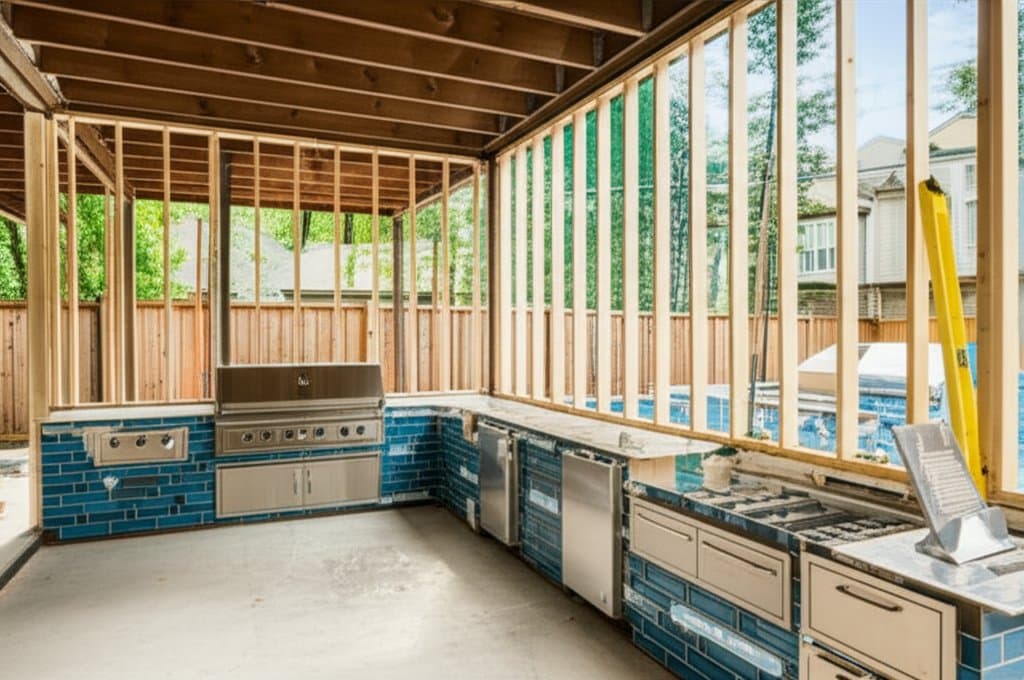
An outdoor kitchen consists of a permanent outdoor space dedicated to cooking and dining. Standard installations feature a grill, countertop surfaces, and storage options or refrigeration units. Advanced designs incorporate sinks, ambient lighting, pizza ovens, and seating areas for bars. The cost escalation impacts all scales, ranging from basic grill stations to elaborate entertainment hubs.
Factors Driving the Price Increase
Three primary elements contribute to the 35 percent rise in costs:
- Material Price Inflation. Prices for stainless steel, concrete, and natural stone have risen due to higher freight charges and production expenses.
- Labor Supply Challenges. Professionals such as masons, electricians, and plumbers charge premium rates, particularly in high-demand urban areas.
- Escalating Permit and Utility Fees. Numerous municipalities mandate inspections for outdoor electrical, gas, and water systems, which introduce additional charges and project delays.
Contractors note extended wait times for appliances and stone materials, resulting in increased storage and handling fees.
Current Cost Breakdowns
The following table presents national estimates for outdoor kitchen projects. Variations occur based on regional influences and specific design selections.
| Scope | Material Cost Range | Labor Cost Range | Total Cost Range | Key Cost Influences |
|---|---|---|---|---|
| Basic Grill Island (6–8 ft) | $2,000–$4,000 | $2,000–$3,000 | $4,000–$7,000 | Prefabricated modules reduce costs; custom stonework elevates them |
| Mid-Range Kitchen (sink, fridge, 10–12 ft counter) | $4,000–$8,000 | $4,000–$6,000 | $8,000–$14,000 | Integration of plumbing and electrical systems heightens complexity |
| High-End Setup (stone veneer, bar seating, premium appliances) | $8,000–$15,000 | $8,000–$12,000 | $16,000–$27,000 | Luxury finishes and dedicated gas lines significantly inflate totals |
Geographic considerations play a crucial role. Coastal and northern regions incur higher premiums for materials resistant to harsh weather. In rural settings, contractors may add fees for travel or contend with a limited pool of qualified workers. Site accessibility further influences pricing; confined spaces or sloped terrain extend labor duration.
The Construction Sequence
Outdoor kitchens adhere to a structured build process:
- Design and Planning Phase. Establish the layout, designate cooking areas, and assess utility needs. Allocate one to two weeks for finalizing designs and obtaining permits.
- Site Preparation. Ensure the ground is level and compacted. Install pavers or pour a concrete foundation, a task spanning one to three days.
- Utility Installation. Route gas, water, and electrical conduits prior to structural framing. Certified specialists manage this phase to uphold safety standards.
- Framing and Exterior Application. Construct the foundation using masonry blocks or steel frames. Apply finishes such as stone, brick, or stucco, requiring three to seven days.
- Appliance Placement and Verification. Position the grill, refrigerator, sink, and lighting fixtures. Conduct thorough inspections of gas and electrical systems prior to operation.
Individuals with experience may tackle planning and surface preparation independently, yet professionals must oversee all utility-related work.
Compliance, Safety, and Permitting Essentials
Projects involving gas, electricity, or plumbing necessitate local permits. Building codes typically enforce:
- Ground-fault circuit interrupter (GFCI) outlets in moisture-prone areas.
- Leak-tested, bonded gas lines.
- Adequate clearance distances for appliances from walls and flammable materials.
- A minimum one percent slope for drainage directed away from buildings.
Failure to comply risks invalidating warranties from manufacturers and complicating home resale evaluations. Arrange the final inspection before securing countertops permanently.
Pitfalls to Sidestep
- Neglecting Drainage Solutions. Accumulated water beneath counters damages cabinetry and electrical components.
- Selecting Indoor Appliances. Outdoor environments require units with sealed compressors and rust-resistant components.
- Omitting Expansion Joints. Materials like stone and metal respond differently to temperature changes; absent gaps lead to cracking in seams.
- Inadequate Electrical Capacity. Combining a grill, refrigerator, and lighting often surpasses 20 amps; install a dedicated circuit from the main panel.
Upkeep and Durability
Properly constructed outdoor kitchens endure 15 to 20 years through routine maintenance.
- Post-Installation Care: Apply sealants to stone or concrete surfaces and test gas connections using soapy water.
- Seasonal Maintenance: Remove debris from burners, drain refrigerator pans, and examine caulking for integrity.
- Yearly Inspections: Reapply countertop sealants and use a pressure washer on grout lines.
- Long-Term Replacements: Update ignition mechanisms, door hardware, and refrigeration units as gaskets degrade.
Utilize protective covers for appliances and UV-resistant sealers on surfaces to prolong functionality.
Deciding Between Professional and DIY Approaches
Apply this three-step evaluation to determine the best method:
- Assess Personal Expertise. Those proficient in carpentry and masonry can manage a straightforward grill island.
- Evaluate Safety Implications. Delegate any gas or electrical tasks to licensed experts.
- Review Tool Resources. Absence of specialized equipment, such as a wet saw, torque wrench, or gas pressure tester, warrants professional involvement for those elements.
Strategies for Comparing Contractor Bids| Line Item| Specifications| Contractor A | Contractor B | Contractor C | Variance Factors|
|----------------|--------------------|--------------|--------------|--------------|----------------------------------|
| Base Framing| Steel vs. Block| $1,500| $2,000| $1,800| Material choice impacts strength |
| Countertop| Granite vs. Concrete | $3,000| $2,500| $3,200| Verify slab thickness and sealant|
| Gas Hookup| Line Length and Permit | $800| $1,000| $900| Local fees influence totals|
| Electrical| GFCI Outlets| $1,200| $1,000| $1,100| Confirm circuit load ratings|
Controlling Expenses Effectively
- Select Material Tiers Wisely. Opt for mid-level stainless steel and sealed natural stone to balance cost and performance.
- Simplify Labor Demands. Design a compact layout with centralized appliances to minimize utility routing.
- Optimize Site Logistics. Maintain a clear four-foot access path for delivering materials and machinery to streamline installation.
Launching Your Project Successfully
Outdoor kitchens rank among the most valuable enhancements for enhancing home appeal and everyday enjoyment. Despite the upward cost trend, thoughtful preparation maintains financial discipline. Begin by sketching a scaled design, reviewing utility layouts, and consulting at least two certified contractors. Request detailed written proposals that specify scopes and material contingencies.