Does a Home Warranty Cover Modular Kitchen Appliances?
Home warranties provide essential protection for household systems and appliances, but modular kitchens introduce unique considerations. These setups often feature integrated units like ovens, refrigerators, and cooktops designed for seamless cabinetry installation. Coverage applies primarily to items classified as built-in, meaning they connect permanently to the home's electrical, plumbing, or gas systems.
Not all modular elements receive the same treatment. Freestanding or easily removable components may fall outside standard plans. Providers evaluate based on contract language, so understanding definitions proves crucial for avoiding disputes during claims.
Quick Overview
- Standard plans cover built-in appliances such as integrated ovens and dishwashers, provided they meet installation criteria.
- Modular features like custom panels or smart integrations require explicit confirmation to qualify.
- Review contract terms before purchase to align coverage with your kitchen's specific configuration.
Benefits and Limitations
Home warranties deliver clear advantages for modular kitchen owners facing repair needs. They offset expenses for premium units, which can cost thousands to fix or replace. A centralized claims process simplifies handling multiple appliances from one provider, reducing administrative hassle.
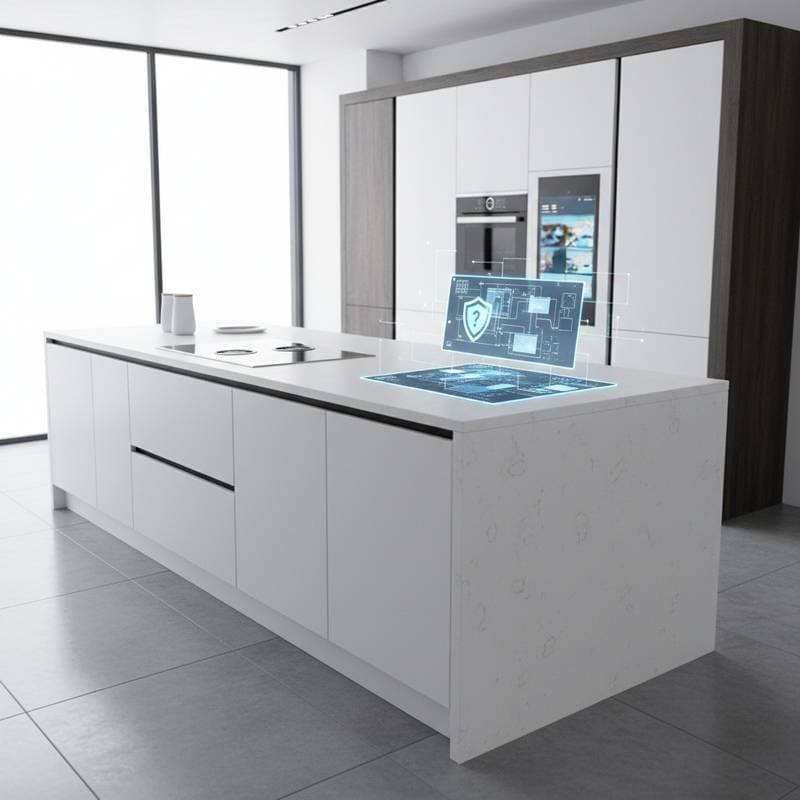
Certain plans extend to smart device elements, such as diagnostic troubleshooting for connected refrigerators or induction cooktops. This support proves valuable in modern kitchens reliant on technology for efficiency and convenience.
Limitations arise with custom or imported models, where providers often exclude coverage due to sourcing challenges. Cosmetic issues, including scratches on designer panels or failures in aesthetic components, receive no reimbursement. Delays occur frequently when brand-specific parts prove scarce, extending downtime in your daily cooking routine.
Step-by-Step Guide to Verifying Coverage
Confirming warranty details requires organized preparation and direct communication with your provider. This process prevents surprises and ensures your modular setup remains protected.
Essential Resources
- The full warranty contract document.
- Detailed records of each appliance's make, model, and serial number.
- Photographs of installations, along with purchase receipts and service histories.
Estimated Time and Effort
Approximately 30 minutes. The task rates as straightforward for most homeowners.
- Examine the appliances coverage section. Search for phrases like "built-in kitchen appliances" or explicit mentions of items such as wall ovens, range hoods, or under-counter refrigerators.
- Align modular units with definitions. Verify that integrated pieces, like a flush-mounted cooktop or cabinet-depth fridge, satisfy the built-in requirement through permanent fixtures.
- Identify potential exclusions. Note restrictions on advanced features, including Wi-Fi modules, touchscreen interfaces, or sensor technologies, which some plans omit.
- Reach out to the provider. Request written assurance regarding your specific modular or smart appliances to establish clear expectations.
- Organize supporting documents. Store receipts, installation certificates, and maintenance logs securely, as these validate permanent status during claims.
Validation Check
Success occurs when all key appliances appear listed or receive provider confirmation in writing. If discrepancies exist, pursue add-on options or plan modifications to bridge gaps.
Handling Repairs: DIY Options Versus Professional Service
Some maintenance tasks suit homeowner involvement, particularly for non-invasive checks. Reviewing plan details, registering appliances upon installation, and compiling documentation fall into this category. Basic actions, such as resetting control panels or swapping manufacturer-approved filters, remain feasible if the warranty permits.
Professional intervention becomes necessary for complex failures. Issues involving electrical wiring, gas lines, or smart system integrations demand certified expertise. Sealed units embedded in cabinetry often require specialized tools and post-service inspections to meet building codes.
Licensed technicians perform comprehensive diagnostics, including power supply evaluations and ventilation assessments. They ensure adherence to electrical standards and fire safety regulations. Most warranty providers mandate approved professionals for claims to remain valid, preserving your coverage integrity.
Alternative Protection Strategies
For targeted needs, consider extended warranties from appliance manufacturers. These focus on individual high-value items, typically covering parts and labor for three to five additional years beyond the standard period. They suit owners prioritizing longevity for a single premium piece.
Appliance-specific insurance add-ons work well for renters or those lacking comprehensive home plans. These policies address mechanical breakdowns exclusively, without broader home system inclusions.
Brand service subscriptions offer ecosystem advantages in uniform modular kitchens. They guarantee rapid response times and part availability, ideal for integrated setups from one supplier.
Frequently Asked Questions
Do Modular Kitchen Hoods Qualify as Covered Appliances?
Permanent models with dedicated venting and hardwired connections generally qualify. Portable units or those relying on simple plug-ins typically do not meet built-in criteria.
Are Smart Refrigerators Included Under Warranty?
Coverage applies if the plan explicitly lists them and encompasses smart features. Exclusions often target touchscreen malfunctions or Wi-Fi connectivity problems.
Can Coverage Extend to Imported Modular Appliances?
Possibilities exist, but many providers insist on domestically available replacement parts. Inquire during enrollment to assess compatibility.
Does the Warranty Address Cosmetic Panels or Cabinetry?
No, these elements count as structural or design aspects, separate from mechanical operations.
Securing Your Kitchen's Future
Compile a complete inventory of your modular kitchen appliances today. Cross-reference each against your home warranty provisions to spot any mismatches. For overlooked items like a smart oven or induction unit, initiate contact with your provider for verification or enhancements.
Maintain meticulous records of installations and upkeep, as evidence of correct setup strengthens claim validity. Modular designs merge aesthetics with advanced functionality, and a well-aligned warranty safeguards this blend. Conduct annual reviews, particularly after upgrades, to adapt coverage dynamically. This proactive approach ensures your kitchen operates smoothly and remains resilient against unforeseen breakdowns.