Multigenerational Homes: Uncovering Layout Costs
Quick answer: Plan to invest $150 to $350 per square foot for a multigenerational home remodel or addition. Expenses increase with the inclusion of distinct kitchens, bathrooms, and entryways. A modest attached suite may begin at $80,000, whereas a complete detached accessory dwelling unit (ADU) typically surpasses $250,000.
At a glance:
- Difficulty: Moderate to complex
- Time: 3 to 12 months
- Key risks: Permit requirements, zoning restrictions, foundation integrations, utility enhancements
- DIY level: Partial only; framing and mechanical systems demand professional expertise
Essential Decisions to Guide Your Project
Successful projects begin with targeted questions that shape the design and budget.
- Degree of separation for living areas: Independent units necessitate dedicated plumbing, heating, ventilation, and air conditioning (HVAC), plus full kitchens. Common areas reduce overall expenses.
- Placement of the addition: Attached suites prove more affordable than detached ADUs, though they might compromise privacy levels.
- Local zoning regulations: Verify municipal codes regarding ADUs or duplex configurations prior to finalizing designs.
- Long-term occupants: Incorporate accessibility and universal design elements if elderly family members will reside there.
- Utility and access divisions: Independent meters or doorways could be mandatory for potential rental applications.
Address these factors early to align the project with family needs and regulatory demands.
Cost Breakdown and Influencing Factors
National averages:
- Attached suite addition: $150 to $250 per square foot
- Detached ADU: $250 to $400 per square foot
- Garage conversion: $80,000 to $150,000
- Basement conversion: $100,000 to $180,000
Several elements propel costs upward.
- Foundation preparation: Fresh constructions or expansions demand sturdy footings and seamless connections to existing structures.
- Utility installations: Dedicated HVAC units, plumbing lines, and electrical panels contribute thousands to the total.
- Interior finishes: Kitchens and bathrooms elevate the per-square-foot rate beyond that of simple bedrooms.
- Accessibility modifications: Features such as wider doorways, roll-in showers, and exterior ramps enhance usability yet inflate budgets.
- Permitting and planning: Architectural plans and municipal fees span $5,000 to $20,000.
Savings strategy: Integrate shared mechanical systems and laundry facilities to minimize utility setup and operational expenses, provided privacy standards are upheld.
Balancing DIY Efforts with Professional Input
Multigenerational projects permit some owner involvement, yet critical components require certified specialists.
Suitable for DIY:
- Painting, trim installation, and flooring placement
- Minor demolition or site preparation
- Basic landscaping adjacent to the new space
Require professional services for:
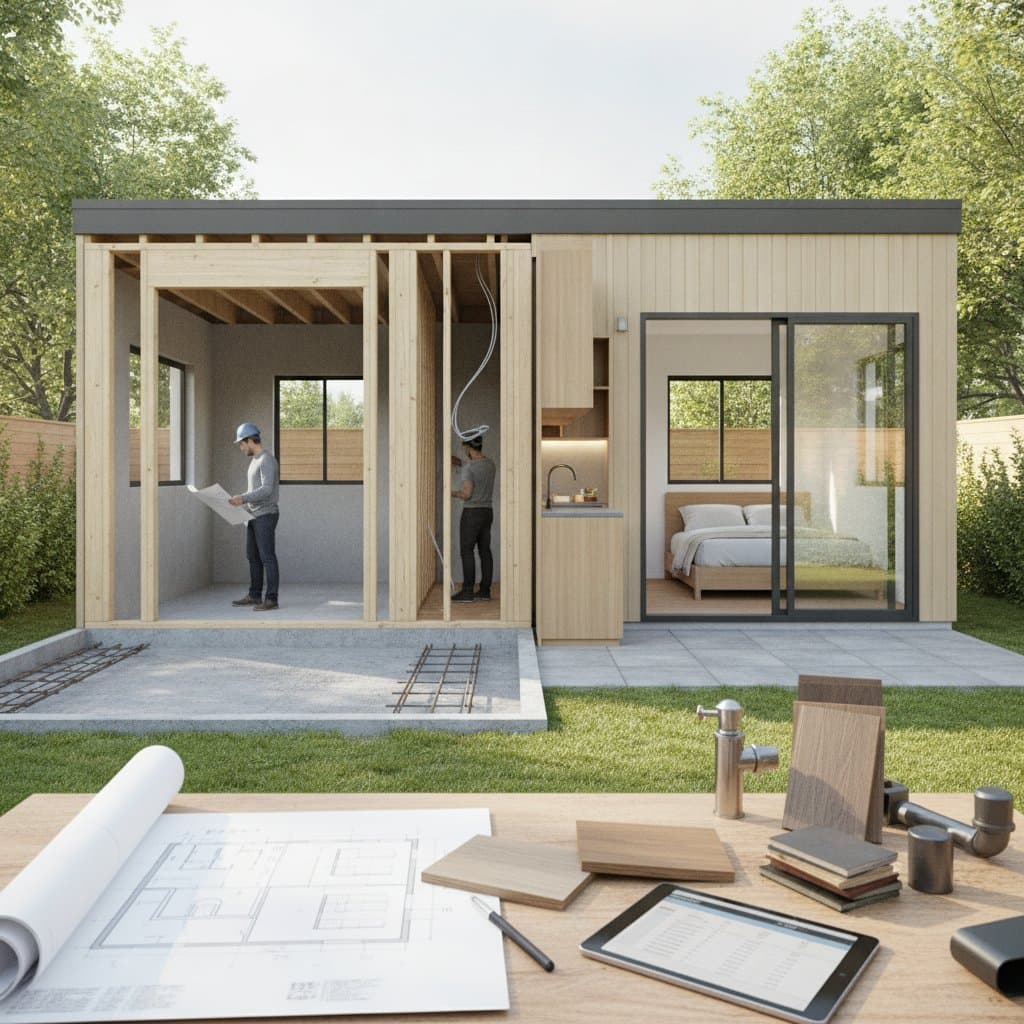
- Electrical wiring, plumbing fixtures, and HVAC integrations
- Structural framing or foundation reinforcements
- Roofing applications, waterproofing measures, or drainage solutions
- Modifications to load-bearing walls or interconnected systems
Skill assessment: Intermediate proficiency suffices for small interior updates. Advanced knowledge is essential for comprehensive conversions. Engage experts for kitchen or bathroom additions to ensure code compliance and prevent moisture-related problems.
Ongoing Maintenance and Durability Planning
The effectiveness of a multigenerational design hinges on consistent care. Establish shared responsibilities at the outset to sustain the space.
Regular maintenance routines:
- Examine smoke and carbon monoxide detectors biannually.
- Replace HVAC filters every two to three months.
- Evaluate exterior drainage and site grading each season.
- Inspect sealant around bathtubs, showers, and window frames.
Extended care measures:
- Refresh interior paint every five to seven years to maintain resilience.
- Renew roof shingles or exterior siding according to wear.
- Adapt accessibility elements as mobility requirements evolve.
Quality construction ensures additions endure alongside the primary residence. Select moisture-resistant materials and apply proper flashing techniques to prolong service life and curb repair demands.
Adapting to Regional and Environmental Factors
Construction expenses fluctuate by location. Coastal or urban settings incur 20 to 40 percent premiums from elevated labor and permitting charges. Colder climates require superior insulation and frost-resistant foundations. Arid, warm regions gain from reflective roofing materials and extended roof overhangs.
Stringent zoning or lot coverage policies in certain areas may restrict options to basement or garage adaptations. Climate influences also impact daily comfort. Enhanced soundproofing and airflow systems prove vital in humid or crowded locales where natural ventilation is limited.
Evaluating Investment Returns
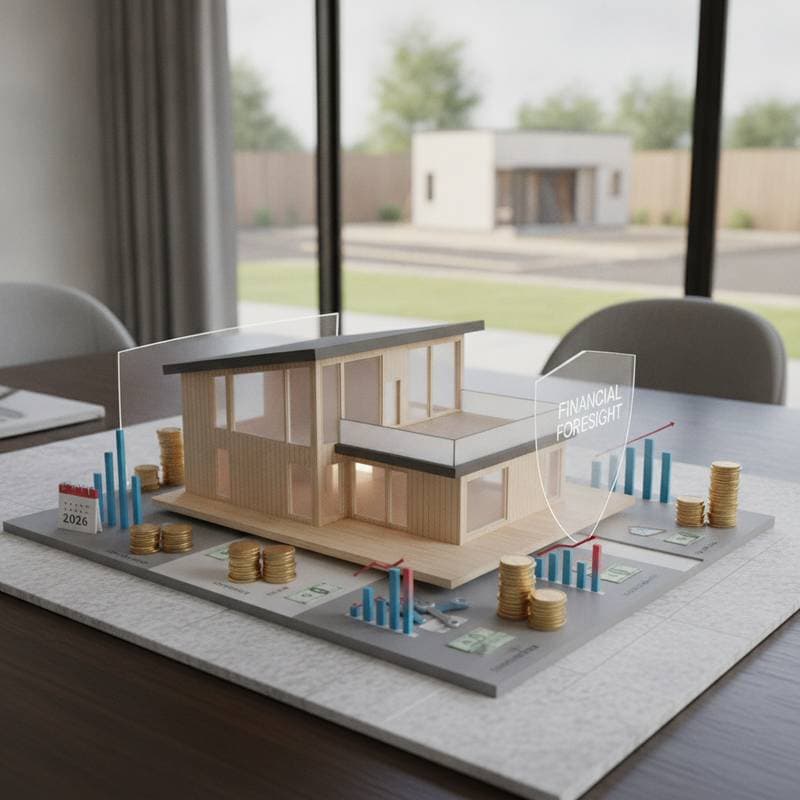
Multigenerational configurations enhance quality of life and boost real estate appeal. Properties featuring secondary suites recoup 50 to 80 percent of construction costs upon sale, with greater returns in housing-shortage markets. Detached ADUs generate rental revenue to offset initial financing.
Implement energy-efficient layouts and communal systems to trim ongoing utility bills. Consider future marketability during planning. Versatile designs that accommodate rentals, guest accommodations, or home offices preserve substantial long-term worth.
Frequently Asked Questions
Is garage conversion to a separate suite feasible? Affirmative, provided local regulations permit habitable garage spaces. Insulation, plumbing additions, and emergency egress become necessary. Budget approximately $80,000 to $150,000 based on selected finishes.
Are separate utilities mandatory for multigenerational arrangements? Not in every case. Shared infrastructure cuts costs, although independent metering may apply to rentals or official ADUs.
What permits does the project require? Typically, building, electrical, plumbing, and zoning approvals. Detached structures often involve site evaluations and utility assessments.
How to achieve privacy while fostering connection? Install double-insulated walls, acoustic doors, and individual entrances. Designate communal outdoor zones or kitchens to facilitate family interactions.
Does this increase property taxes? Indeed, expanded square footage raises the assessed valuation. Consult the local assessor for estimated tax impacts prior to commencement.
Steps to Launch Your Project Successfully
Define precise objectives first. Identify the intended users, desired independence level, and financial limits. Solicit perspectives from all prospective residents to craft a harmonious design.
Proceed by consulting contractors experienced in ADUs or in-law suites. Request detailed proposals that delineate expenses for structural elements, finishes, and utilities. Evaluate bids not only by total amount but also by comprehensive inclusions to secure the best alignment with your vision.