Understanding Why Home Insurance Excludes Climate-Resilient HVAC Upgrades
Key Insights
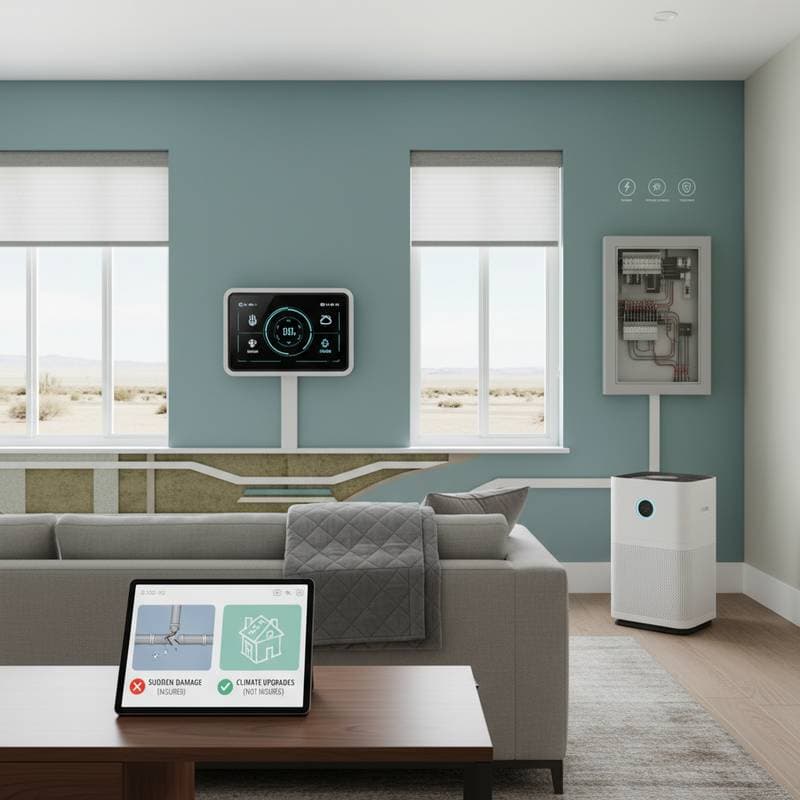
- Standard homeowners insurance policies cover sudden and accidental damage to HVAC systems, such as that caused by storms or fires, but they do not extend to proactive upgrades designed for climate resilience.
- These preventive modifications, including enhanced insulation or surge protection, qualify as maintenance rather than insurable events, leaving homeowners to bear the costs.
- Strategic upgrades, combined with diligent maintenance and thorough documentation, can mitigate risks, extend equipment lifespan, and potentially lower energy expenses over time.
Defining HVAC Climate-Proofing
HVAC climate-proofing involves targeted enhancements to heating, ventilation, and air conditioning systems to withstand intensifying weather patterns, such as prolonged heat waves, severe storms, or extreme cold. Common modifications include installing surge protectors to shield against electrical spikes, upgrading to superior insulation for better thermal retention, incorporating high-efficiency compressors that operate reliably under duress, or adding backup power sources for uninterrupted operation. These measures safeguard indoor comfort, minimize downtime during outages, and curb escalating repair bills, yet insurers classify them as optional enhancements ineligible for coverage under typical policies.
Benefits and Drawbacks
Benefits
- Prolongs the operational life of HVAC components by reducing exposure to environmental stressors.
- Decreases energy consumption, leading to measurable reductions in utility bills over multiple years.
- Enhances occupant comfort by maintaining consistent temperatures amid fluctuating outdoor conditions.
- Potentially increases property value, appealing to buyers in climate-vulnerable areas.
Drawbacks
- Homeowners insurance and manufacturer warranties generally exclude these upgrades from reimbursement.
- Initial investments range from moderate to substantial, depending on system complexity.
- Compliance with local building codes may necessitate permits, structural assessments, or professional engineering reviews.
- Financial returns materialize gradually, often requiring several heating or cooling seasons to offset costs.
Scenarios Where Climate-Proofing Delivers Value or Limitations
Delivers Value
- In areas experiencing record-breaking temperatures or extended periods of severe weather.
- For systems that fail to hold desired indoor temperatures during peak demands.
- Following incidents of power surges or localized flooding that have impacted similar properties.
- Prior to undertaking a full replacement of an older, inefficient unit.
Shows Limitations
- When existing ductwork or insulation fails basic performance standards, requiring foundational repairs first.
- If system warranties explicitly prohibit unauthorized alterations.
- In expectations of complete financial recovery through insurance claims for preventive work.
Reasons Insurers Exclude Climate-Proofing Expenses
Homeowners insurance primarily addresses restoration after abrupt perils, including fire, wind damage, or electrical faults from lightning strikes. Policies do not compensate for progressive deterioration, structural redesigns, or efficiency enhancements. Climate-proofing aligns with preventive maintenance, akin to reinforcing a roof against anticipated heavy rains; insurers view such actions as homeowner responsibilities rather than claimable losses.
Furthermore, coverage boundaries explicitly omit expenses linked to resilience or performance optimizations. For instance, if a power surge damages the control board of an air conditioner, repair costs may qualify for reimbursement. However, the installation of preventive surge protection devices does not. This principle extends to elevated mounting platforms for flood-prone units, advanced weather-resistant insulation, or specialized corrosion-proof coils, all of which avert issues rather than remedy them post-event.
Guide to Implementing HVAC Climate-Proofing Measures
Essential Tools and Materials
- Precision level, adjustable wrench set, and compatible socket assortment.
- Protective cover or hail-resistant shield for the outdoor condenser.
- Secondary drain pan with extension hose for overflow management.
- Heavy-duty surge protector specifically rated for HVAC electrical demands.
- High-MERV rated air filters paired with durable sealant tape.
Estimated Time: 4 to 6 hours for foundational upgrades.
Skill Level: Moderate; suitable for those with basic mechanical aptitude, though professional oversight is advisable for complex elements.
- Disconnect Power Sources. Locate and switch off the main HVAC circuit breaker, then verify the outdoor unit disconnect switch remains in the off position to eliminate electrical hazards.
- Evaluate and Stabilize the Base. Ensure the condenser unit elevates above potential flood levels on a firm, vibration-resistant foundation. Install a precast concrete pad or riser if historical flooding poses a threat.
- Address Air Leakage. Examine all duct connections, joints, and attic access points for gaps. Apply metal foil tape or specialized mastic sealant, avoiding inferior cloth-based alternatives that degrade quickly.
- Integrate Surge Protection. Mount a surge suppressor compatible with HVAC specifications directly at the unit's service disconnect panel to buffer against voltage irregularities from storm-related grid fluctuations.
- Install Protective Enclosures. Fit a ventilated cover over the top of the outdoor unit to deflect debris and precipitation while permitting airflow; steer clear of non-breathable enclosures that promote condensation buildup.
- Upgrade Filtration System. Insert filters with elevated MERV ratings that align with your system's blower specifications to capture finer particulates without impeding performance.
- Verify Functionality. Reconnect power and monitor key metrics: airflow volume, temperature differential across the evaporator coil, and operational sounds for irregularities.
- Record All Modifications. Compile invoices, photographs of the work, and technical specifications to support warranty claims or future insurance interactions.
Should you encounter signs of electrical damage, such as charred wiring or extensive corrosion, halt operations immediately and engage a certified HVAC professional. Mishandled electrical components risk code violations, safety dangers, or warranty invalidation.
Investment Breakdown
Standard Cost Spectrum: $800 to $5,000 for a comprehensive climate-proofing initiative, varying by home size and existing infrastructure.
Factors Increasing Expenses
- Expansive properties or systems serving multiple zones.
- Subpar baseline insulation or antiquated duct configurations demanding preliminary overhauls.
- Requirements for building permits, electrical panel enhancements, or structural reinforcements.
- Premium selections in weather-durable components or advanced materials.
Strategies to Minimize Costs
- Align upgrades with planned system replacements to consolidate labor and materials.
- Leverage incentives from local utilities or government programs for energy-efficient installations.
- Focus on cost-effective interventions, such as surge safeguards or improved drainage solutions.
In cases where core components like the compressor approach failure thresholds, a complete system overhaul often proves more economical than piecemeal repairs. Newer models incorporate cutting-edge efficiency features, superior durability, and extended warranty periods.
Deciding Between DIY and Professional Installation
Suitable for DIY Efforts
- Routine tasks like coil cleaning, duct sealing, and filter replacements.
- Attaching drain line extensions or protective outdoor enclosures.
- Inspecting and reinforcing insulation on refrigerant lines.
Best Handled by Professionals
- Any procedures involving electrical wiring or refrigerant handling.
- System load calculations or precise airflow adjustments.
- Elevating units in flood-susceptible locations.
- Incorporating intelligent thermostats into sophisticated multi-stage setups.
Professionals conduct essential diagnostics, including refrigerant charge verification, airflow quantification, and adherence to regulatory standards. They also assist in compiling documentation essential for rebate eligibility or warranty preservation.
Ongoing Maintenance Strategies
Recommended Schedule
- Monthly filter assessments during high-usage periods like summer or winter.
- Seasonal cleaning of coils and drain lines to prevent blockages.
- Annual comprehensive professional servicing to detect emerging issues.
Core Maintenance Activities
- Remove accumulated debris from the vicinity of outdoor units to ensure unobstructed operation.
- Examine insulation integrity on refrigerant lines for wear or exposure.
- Calibrate thermostats to guarantee accurate temperature regulation.
- Monitor surge protector indicators for signs of degradation or activation.
Primary Objectives
- Sustain optimal airflow and prevent moisture accumulation on critical parts.
- Mitigate corrosion risks from pooled water, humidity, or coastal salt exposure.
- Prolong equipment viability in anticipation of intensifying weather events.
Viable System Alternatives
Cold-Climate Heat Pumps
Ideal for locales with temperate to moderately harsh winters, these units deliver heating without reliance on fossil fuels. Although initial outlays exceed traditional furnaces, long-term energy savings and environmental benefits offset the premium.
Dual-Fuel Configurations
This hybrid approach combines a heat pump with a gas furnace, automating transitions based on outdoor temperatures for optimal efficiency. It excels in regions with unpredictable seasonal shifts, balancing performance and cost.
Variable-Speed Compressors
These adaptable units operate at reduced capacities for routine demands, easing stress during extreme conditions. The higher upfront price yields advantages in energy conservation, quieter function, and diminished peak-time strain.
Common Questions
Under what circumstances does insurance cover HVAC upgrades?
Coverage applies solely if upgrades stem directly from a covered peril, such as storm-induced damage. Standalone preventive enhancements do not qualify.
Do home warranties include climate-proofing?
Warranties focus on repairing or replacing defective components after failure; they exclude proactive resilience measures.
Are rebates available for these upgrades?
Certain utility providers and regional programs incentivize high-efficiency HVAC modifications or insulation improvements through financial rebates.
How might climate-proofing impact existing warranties?
Unauthorized alterations risk voiding coverage; consult manufacturer guidelines prior to any changes.
Could upgrades lead to reduced insurance premiums?
Insurers seldom adjust rates for preventive HVAC work, although resilient systems may indirectly lower claim frequencies over time.
Building a Resilient HVAC Plan
Initiate with a thorough system audit to identify vulnerabilities, such as corroded coils, inadequate drainage, or inefficient duct sizing. Solicit detailed proposals from certified HVAC specialists familiar with regional climate challenges, emphasizing modifications that enhance durability without compromising warranties.
Maintain a detailed log of all upkeep activities, from routine cleanings to professional tune-ups. Such records demonstrate proactive stewardship, bolstering claims with insurers or warranty providers when needed.
Ultimately, climate-proofing fortifies your home's essential comfort infrastructure against evolving threats. While insurance restores losses, foresight ensures sustained reliability and peace of mind.