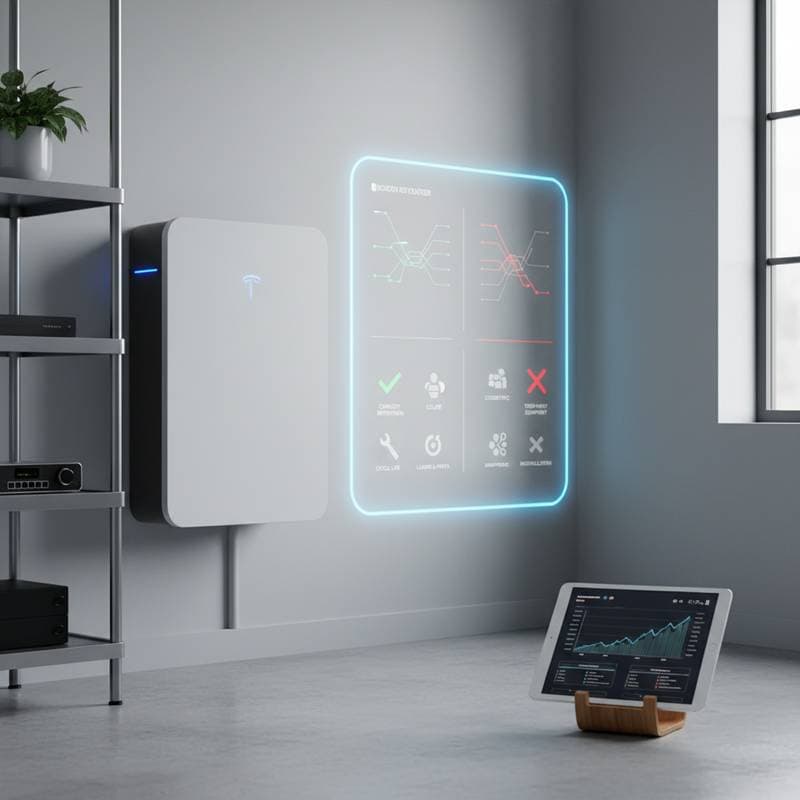
Understanding Home Battery Backup Warranties
Home battery backup systems form an essential component of modern residential energy strategies. These systems, whether integrated with solar panels or functioning independently, offer power reliability during outages and contribute to sustained energy cost reductions. Homeowners soon realize that the warranty terms establish the investment's genuine worth, far beyond the initial hardware quality. A thorough grasp of coverage details, exclusions, and validity requirements safeguards significant financial outlays throughout the system's operational life.
This guide delineates the mechanics of home battery warranties, outlines their actual protections, and provides strategies for effective comparison prior to commitment.
Core Elements of Warranty Coverage
Warranties for home batteries typically encompass defects in materials and workmanship under normal usage conditions. Manufacturers guarantee that the system maintains a specified performance level, such as retaining at least 70 percent of original capacity after a defined period or cycle count. Coverage often extends to parts replacement for failures attributable to inherent flaws, provided the system adheres to operational guidelines.
For example, if a battery module fails due to a manufacturing defect within the warranty period, the provider supplies a replacement at no material cost. Labor inclusion varies by policy; some plans cover installation of replacements, while others limit support to components only. Always review the fine print to confirm whether shipping fees or diagnostic services fall under the agreement.
Common Exclusions and Limitations
Warranties do not extend to every conceivable issue, contrary to widespread assumptions. Policies routinely omit coverage for damage resulting from incorrect installation or electrical wiring errors. External events, including power surges, lightning strikes, or water inundation, also fall outside standard protections.
Additional exclusions involve misuse or inadequate care, such as operating the battery beyond recommended temperature thresholds or exposing it to extreme environmental conditions. Unauthorized software alterations or third-party modifications void claims as well. Performance declines exceeding guaranteed thresholds, like capacity loss surpassing 30 percent before the term ends, receive no remedy. To mitigate disputes, maintain detailed records of maintenance activities and secure evidence of certified installation from the outset.
Factors Influencing Warranty Costs
The price of a home battery system incorporates warranty provisions, with premium options featuring extended or robust terms. Higher costs correlate with superior materials and broader coverage scopes. The following table illustrates representative pricing for common residential setups, inclusive of warranties.
| Component | Material Cost Range | Labor Cost Range | Total Cost Range | Key Influencing Factors |
|---|---|---|---|---|
| 10 kWh Lithium Battery with Integrated Inverter | $6,000 - $9,000 | $1,500 - $3,000 | $7,500 - $12,000 | Advanced models offer extended performance guarantees and higher cycle ratings |
| 15 kWh Modular Battery System | $9,000 - $13,000 | $2,000 - $3,500 | $11,000 - $16,500 | Expanded capacity demands specialized electrical panels and enhanced mounting solutions |
| Warranty-Covered Battery Module Replacement | $0 - $1,000 (for shipping or minor fees) | $500 - $1,500 | $500 - $2,500 | Policies covering labor fully minimize additional expenses compared to parts-only plans |
Primary cost determinants include the quality of battery chemistry, such as lithium iron phosphate cells that endure more cycles and pair with stronger retention assurances. Installation challenges, like confined spaces or retrofitting existing structures, elevate labor demands and potential risks. Environmental site factors, including exposure to weather, necessitate protective enclosures that add to the overall expense.
Ensuring Compliance with Safety and Code Standards
Home battery installations must align with electrical and fire safety regulations to preserve warranty integrity. Adherence to National Electrical Code Article 706 for energy storage systems proves mandatory in most jurisdictions. Noncompliance, such as improper wiring or inadequate spacing, risks immediate warranty invalidation.
Essential requirements encompass selecting appropriately sized breakers and labels that match inverter and disconnect specifications. Provide sufficient ventilation and clearance, typically at least six inches around enclosures, to facilitate cooling. Operate units within designated temperature bands, generally 32 to 104 degrees Fahrenheit, and incorporate ground fault circuit interrupter or arc fault circuit interrupter protections for connected living spaces. For larger setups, mount on noncombustible surfaces to meet local fire codes.
Obtain necessary permits and undergo inspections to verify code conformity. Retain all documentation, including inspection certificates, as vital evidence for future warranty submissions.
Maintenance Strategies for Longevity
Proper upkeep extends a home battery's service life beyond the warranty duration when usage remains within parameters. Implement a structured routine to monitor and preserve system health. The table below outlines recommended tasks and their frequencies.
| Task | Frequency | Benefits |
|---|---|---|
| Inspect for corrosion, leaks, or physical damage | Every 6 months | Identifies early wear on connections and housings |
| Update firmware and monitoring applications | Quarterly | Optimizes performance and resolves connectivity issues |
| Verify cooling systems and airflow paths | Annually | Mitigates risks of thermal stress during high-demand periods |
| Monitor battery health through diagnostic tools | Monthly | Assesses capacity degradation and usage cycles accurately |
| Conduct professional evaluation of electrical integrity | Every 2 years | Validates insulation and connection security |
Lithium-based batteries typically deliver 10 to 15 years of dependable operation under controlled conditions. Gradual capacity reduction occurs naturally, but consistent monitoring helps distinguish normal aging from warrantable defects.
Evaluating Warranties from Different Manufacturers
Warranty provisions differ significantly across brands, demanding careful side-by-side analysis. Employ a comparison framework to assess quotes from various providers. Focus on metrics that impact practical usability over mere duration.
| Aspect | Ideal Standard | Provider A | Provider B | Provider C | Comparison Insights |
|---|---|---|---|---|---|
| Capacity Retention Guarantee | 70% or higher after 10 years | 70% | 65% | 80% | Superior retention ensures longer effective use |
| Full Cycle Allowance | 4,000 or more | 3,500 | 5,000 | 4,500 | Greater cycles support frequent discharge needs |
| Labor Inclusion | Full parts and labor | Parts only | Parts and labor | Parts only | Comprehensive labor cuts repair expenses |
| Transferability to New Owners | Transferable | No | Yes | Yes | Enhances property value upon sale |
| Claim Processing Time | Under 30 days | 30 days | 15 days | 45 days | Quicker response minimizes downtime |
Prioritize capacity retention percentages and labor provisions when reviewing options. A concise warranty with stringent performance criteria often outperforms a lengthy one with lax standards.
Navigating Warranty Claims Effectively
Prompt action proves essential when a warranted system encounters failure. Prepare by documenting the incident thoroughly, including photographs of diagnostic displays and precise timestamps. Initiate contact with the original installer, who can assess coverage eligibility and launch the formal claim process.
Supply critical details such as serial numbers and purchase documentation to confirm active status. Refrain from any disassembly or adjustments, as such actions compromise the warranty seal. Adhere to provided diagnostic protocols, often accessible via remote monitoring platforms. Archive all communications to facilitate escalation if resolutions lag.
Expect manufacturer responses within weeks, contingent on component availability. Clarify inclusion of ancillary costs like transportation or disassembly in replacement scenarios.
Distinguishing Actual Protections from Promotional Claims
Promotional content emphasizes extended durability and peak capacities, yet actual safeguards hinge on precise failure definitions within the warranty language. For instance, a capacity decline to 68 percent after nine years against a 70 percent threshold may qualify for prorated compensation rather than outright substitution. Prorated structures diminish value progressively, basing reimbursements on elapsed time or consumed cycles.
Full replacement policies maintain complete coverage throughout the term, irrespective of usage patterns. Scrutinize prorated clauses during evaluation, as they can substantially affect long-term financial outcomes. Opt for agreements that align closely with anticipated operational demands.
Steps to Maximize Warranty Benefits
To derive optimal value from your home battery warranty, verify all terms in the complete policy document rather than relying on summaries. Confirm that installation occurred under licensed supervision, with inspections and records in place. Regularly track system metrics using built-in applications and personal logs to preempt potential issues.
These practices not only uphold coverage but also enhance overall system reliability, ensuring your investment yields consistent energy security and efficiency for years ahead.