2026 Modular Addition Costs: Budget Breakdown
Summary Box
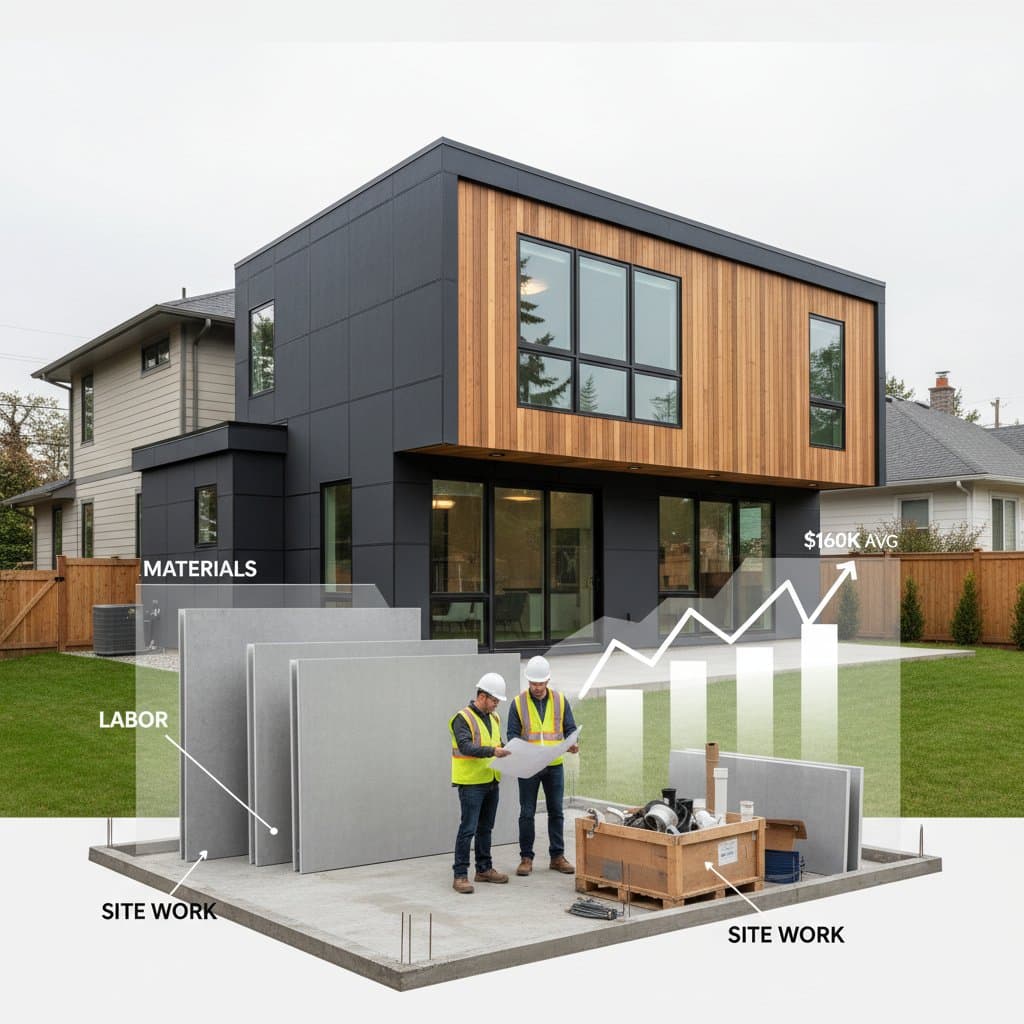
National average cost: $160,000
Typical range: $110,000 to $220,000
Low end and high end: $75,000 for a small single room, up to $350,000 for a large two-story addition
Time to complete: 3 to 5 months including design, permits, and installation
DIY or Pro: Professional installation required
ROI or resale impact: 55% to 75% of cost recovered on resale
Updated: February 2026
Modular additions provide homeowners with a faster and cleaner method to expand living space, avoiding the extensive disruption associated with traditional site-built construction. These additions involve prefabricated modules constructed in a controlled factory environment, which are then transported to the property for assembly. Costs vary based on factors such as size, style, finish quality, and the degree of integration with the existing home structure.
Cost Factors
Scope and Size
The primary determinant of expense remains the overall area of the addition. For instance, a single-room extension measuring less than 400 square feet typically costs between $75,000 and $130,000. Adding features like a bathroom or kitchenette can increase this figure substantially, often doubling the investment. While larger additions may lower the cost per square foot due to economies of scale, they still result in a higher total expenditure.
Material Grade and Finish
Modular units offer options in standard, midrange, or luxury finishes. Selecting vinyl flooring and laminate countertops helps control expenses effectively. In contrast, incorporating hardwood floors, tile surfaces, or stone elements elevates the price significantly. Additional upgrades, such as high-performance windows or enhanced insulation, contribute an extra $5 to $15 per square foot to the budget.
Site Conditions and Accessibility
The logistics of delivery play a crucial role in pricing. Elements like crane access, lot slope, and vegetation clearance can influence costs. Properties in dense urban settings or those with steep driveways might incur additional fees of $5,000 to $10,000 for specialized staging or prolonged crane operations. Furthermore, unstable soil conditions could necessitate deeper foundations or reinforced footings, adding to the overall outlay.
Labor Market and Season
Regional differences in labor and subcontractor rates create variability. Areas in the South or rural locations generally feature more affordable installation fees. Urban centers with high demand, however, often include a premium of 15% to 25%. Construction costs tend to peak during busy seasons when skilled crews face scheduling constraints.
Custom Work and Change Orders
Standard modular designs yield the greatest savings. Requests for custom roof configurations, intricate connections to the existing home, or bespoke finishes prolong the design phase and inflate factory production expenses. Once manufacturing commences, change orders become particularly costly, as modules are engineered to precise specifications.
Strategies for Cost Savings
Practical Material Substitutions
Opt for modules in standard dimensions to avoid the premium associated with custom factory configurations. Midrange fixtures, including prefabricated cabinets, engineered wood flooring, and basic tile selections, deliver an upscale appearance when installed with precision. Eliminating vaulted ceilings reduces expenses related to framing and heating, ventilation, and air conditioning systems.
Site Preparation to Minimize Labor
Complete all utility connections, such as electrical stubs and plumbing rough-ins, prior to module arrival. Ensure foundation work and site grading finish well in advance, allowing the crane team to position modules efficiently in a single day. Any on-site delays risk incurring substantial standby charges from crews and equipment.
Timing and Project Batching
Scheduling during winter or early spring often secures reduced rates from factories and installers due to lower demand. For projects involving multiple rooms, coordinating a single production batch stabilizes material costs and ensures consistency in finishes and colors.
Evaluating Contractor Quotes
Obtain bids from at least three reputable contractors and use this structured checklist to assess them:
Quote Comparison Checklist
- Itemized scope detailing rooms and square footage
- Specified material grades and brands
- Inclusion of site preparation and cleanup services
- Identification of permit and waste disposal fees
- Clear warranty terms and duration
- Payment schedule aligned with production and installation milestones
Base decisions on more than just the lowest bid. Prioritize contractors who demonstrate strong communication, proven factory partnerships, and a portfolio of successful modular projects.
Project Timeline and Coordination
The process unfolds in distinct phases:
- Design and permitting: 4 to 8 weeks for architectural plans and regulatory approvals
- Factory construction: 6 to 10 weeks for module fabrication
- Foundation and site preparation: 2 to 4 weeks to ready the base
- Delivery and installation: 1 to 3 days for on-site assembly
- Utility integration and finishing: 3 to 6 weeks to connect systems and complete interiors
External factors like inclement weather or permitting hurdles may extend these periods. Request a detailed written timeline from your contractor, complete with key milestones. Structure payments to correspond with verified progress rather than fixed dates.
Steps to Launch Your Modular Expansion
Begin by assessing your home's needs and consulting local zoning regulations to confirm feasibility. Engage an architect experienced in modular designs to sketch initial concepts and estimate budgets accurately. Secure financing options early, as lenders often require detailed plans for approval.
Next, select a certified modular builder through industry associations or referrals. Review contracts meticulously, ensuring they cover all contingencies like weather delays or material substitutions. During construction, maintain regular site visits to monitor quality and address issues promptly.
Upon completion, inspect the addition thoroughly before final payment. This expansion not only enhances your living space but also boosts property value, providing long-term enjoyment and financial returns through improved functionality and appeal.