Understanding Sump Pump Warranties
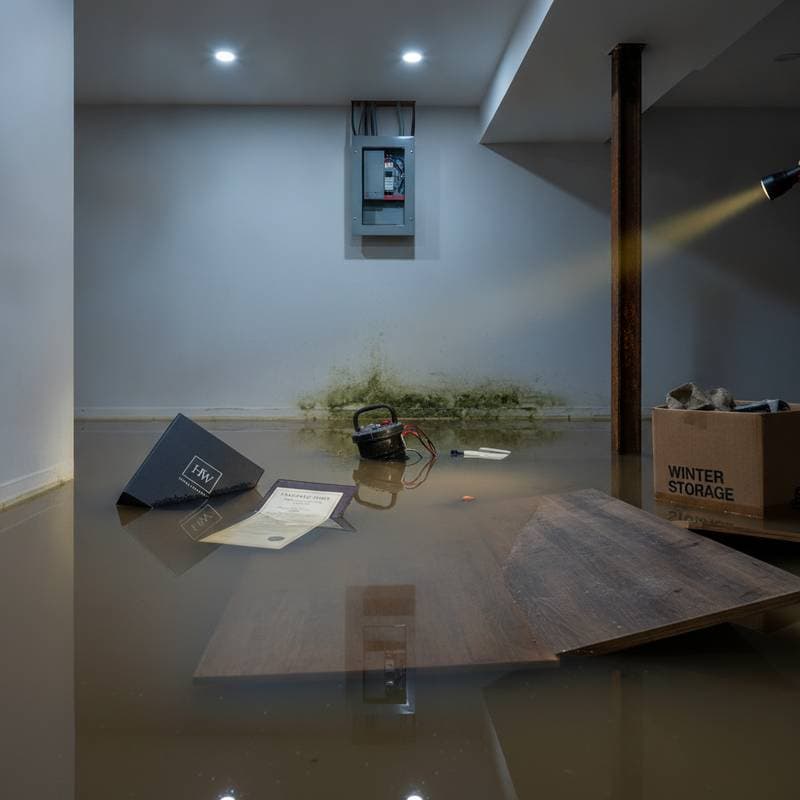
Sump pumps serve as essential defenses against basement flooding in many homes. These devices activate automatically to remove water from the sump pit before it overflows into living spaces. However, warranties on these pumps often disappoint homeowners during major water events.
Most warranties protect against defects in materials and workmanship for a limited period, typically three to five years. Coverage includes failures due to manufacturing errors or normal wear under proper use. Realize that these protections do not extend to every scenario involving water intrusion.
Homeowners frequently overlook the fine print. Policies exclude damage from external factors, leaving individuals to bear significant repair costs. Knowledge of these boundaries proves crucial for realistic expectations and proactive planning.
Key Coverage Areas
- Motor and Impeller Failures: Warranties address breakdowns in the pump's core components if they occur within the specified timeframe.
- Seal and Gasket Issues: Leaks from worn seals receive attention, provided maintenance records demonstrate regular care.
- Electrical Component Defects: Faulty wiring or switches qualify for replacement under standard terms.
Expect manufacturers to require proof of professional installation for full validity. DIY setups may void coverage entirely, emphasizing the value of certified technicians.
Common Exclusions in Warranties
Warranties contain specific limitations that surprise many users. Examine terms closely to identify risks. For instance, policies often exclude damage from power surges unless a surge protector accompanies the unit.
Focus on phrases such as "improper maintenance" or "acts of nature." These clauses deny claims for neglect, like ignored debris buildup, or uncontrollable events like severe storms. Flooding from heavy rainfall or groundwater rise falls under this category in most cases.
Preserve all documentation in a dry, accessible location. Capture photographs of the serial number and sump pit configuration. Such records accelerate claim processing and demonstrate compliance with warranty conditions.
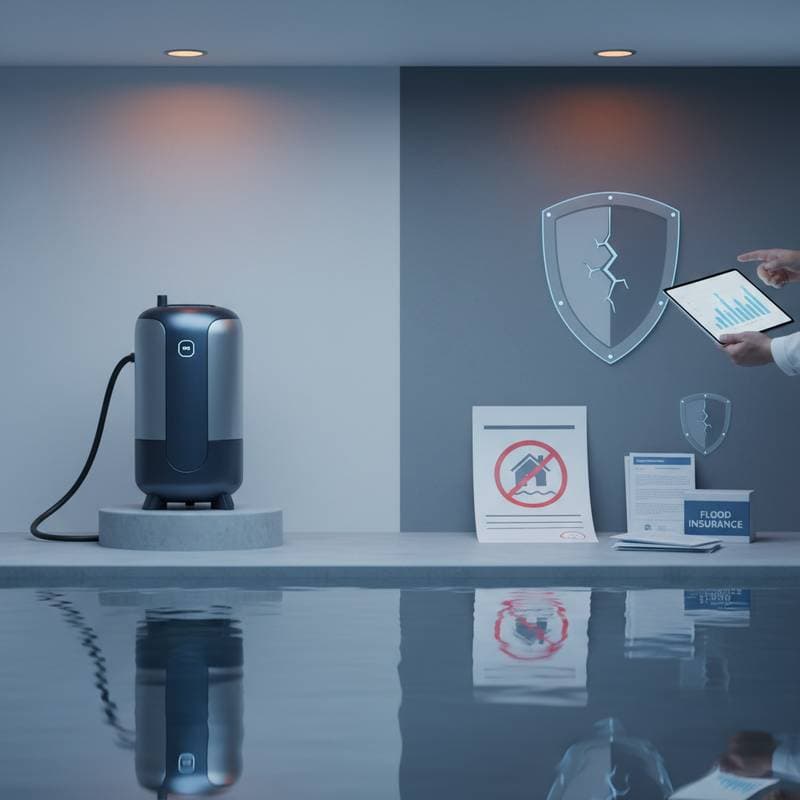
Flood insurance represents a separate necessity. Standard homeowners policies rarely cover sump pump failures during floods. Separate flood policies through federal programs or private insurers provide broader protection for water-related damages.
Step-by-Step Guide to Replacing a Sump Pump Safely
Replacement becomes necessary when a pump shows signs of failure, such as frequent cycling or unusual noises. Follow these steps to ensure a secure and effective installation. Professional assistance benefits those without experience in plumbing or electrical work.
Safety Precautions: Disconnect power to the pump before handling any wires or water. If standing water contacts electrical cords in the pit, halt work immediately and consult a licensed electrician to avoid hazards.
Required Tools for DIY Replacement
- Adjustable wrench for loosening fittings
- PVC cutter or hacksaw for pipe adjustments
- Tape measure to verify dimensions
- Screwdriver set for securing components
- Utility pump or wet vacuum to remove water
- Work gloves and rubber boots for protection
Detailed Replacement Steps
- Disconnect the Power Source: Unplug the existing pump and confirm the outlet remains dry to prevent shocks.
- Extract the Old Pump: Loosen the check valve connections and lift the unit vertically from the pit.
- Clean the Sump Pit: Remove accumulated debris, silt, or gravel that might obstruct the new pump's operation.
- Position the New Pump: Place it level in the pit and ensure adequate clearance for the float switch movement.
- Connect the Discharge Pipe: Secure PVC piping with cement or clamps, following the manufacturer's guidelines precisely.
- Fit the Check Valve: Install it with the directional arrow pointing upward toward the discharge outlet.
- Conduct a Test Run: Add water to the pit until the float activates the pump, observing for normal function.
- Verify Discharge Flow: Ensure water expels cleanly outside the home without backups or leaks.
Monitor for issues like grinding sounds or rapid cycling, which indicate blockages. Avoid operating submersible pumps without water, as this damages internal seals.
Project Timeline and Planning Considerations
Anticipate lead times for obtaining materials. Local suppliers stock most standard sump pumps, but battery backup systems may require several days for delivery.
On-site work varies by complexity. Simple replacements take one day, while installations involving new pits or drainage modifications extend to two days.
Account for inspections if local regulations mandate permits. Schedule checks after electrical connections and prior to backfilling the pit to comply with codes.
Initiate projects well before rainy seasons arrive. Emergency services during active flooding incur doubled rates, complicating timely resolutions.
Essential Maintenance for Longevity
Regular upkeep extends the life of a sump pump beyond its average seven to ten years. Implement routines to detect problems early and maintain efficiency.
Recommended Maintenance Schedule
- Introduce several gallons of water into the pit quarterly to verify activation and drainage.
- Inspect and clean intake screens and float mechanisms biannually to prevent clogs.
- Evaluate battery backups monthly; replace batteries every two to three years to ensure reliability during outages.
Identifying Potential Failures
Frequent short cycles suggest float switch malfunctions. Vibrations or rattling noises point to loose connections or impeller debris.
Rust accumulation or mineral deposits accelerate seal deterioration. Address these promptly to avoid complete breakdowns.
Decisions on Repair or Replacement
Opt for repairs on minor components like floats or check valves. Proceed with full replacement if the motor exhibits overheating, the impeller shaft shows wobbling, or the unit exceeds its warranty duration.
Investing in a new pump proves more economical than professional water extraction services following a flood incident.
Considerations for Regional Variations
Adapt installations to local conditions for optimal performance. Homes in flood-prone zones or with elevated water tables require dual pump systems or water-powered alternatives for redundancy.
In regions with cold winters, design discharge lines with proper downward slopes to prevent ice formation. Clear potential freeze points regularly.
Adhere to local building codes, which may stipulate backflow prevention devices or vented pit covers. Consult municipal guidelines prior to purchasing or installing equipment.
Securing Your Home Against Water Threats
A sump pump warranty offers reassurance, yet full understanding of its scope remains essential. Register the unit promptly, maintain detailed logs of upkeep, and confirm adherence to installation standards.
Combine a reliable pump with a comprehensive service agreement for enhanced protection. This approach not only preserves your basement but also fortifies your home's structural integrity and your preparedness for adverse weather.