Understanding Indoor Air Quality Maintenance Costs
Fresh indoor air enhances daily comfort and supports overall well-being. Clean air promotes easier breathing, improved concentration, and restful sleep. Professional maintenance for indoor air quality typically ranges from $150 to $600, with an average cost of $350 for a standard service that covers filter replacement, duct inspection, and system cleaning.
Three key factors influence the total cost: the size of the HVAC system, the type of filtration or purification equipment, and the maintenance frequency. Homes in humid or dusty areas often need more frequent services, increasing expenses by up to 25 percent. Regular upkeep improves HVAC efficiency by up to 20 percent, as noted by the U.S. Department of Energy, which lowers energy consumption and reduces wear on components. This investment safeguards health and prolongs the lifespan of the home's primary heating and cooling system.
Cost Breakdown by Service Components
Maintaining clean indoor air involves multiple elements, from routine filter changes to thorough duct cleaning and purifier maintenance.
Core Pricing Elements:
HVAC air quality services charge based on the system. Basic tune-ups cost $100 to $250, while full duct cleaning ranges from $300 to $700, depending on system scale. Minimum fees begin at $75 for filter replacements or inspections. Data from HomeAdvisor indicates that 25 percent of homeowners spend less than $200, 50 percent around $350, and the upper 25 percent more than $600 for detailed cleanings or filtration enhancements.
Impact of Home and System Size
Larger homes demand more filters, extended duct networks, and extra labor time. Every additional 500 square feet adds $40 to $60 to the bill. For instance, a 1,500-square-foot home with a single central system might incur $250 for cleaning, whereas a 3,000-square-foot home with zoned systems could total $500. Standards from the Air Conditioning Contractors of America show that system size affects service duration, tool requirements, and efficiency results.
Filtration and Material Options
Basic Maintenance Level:
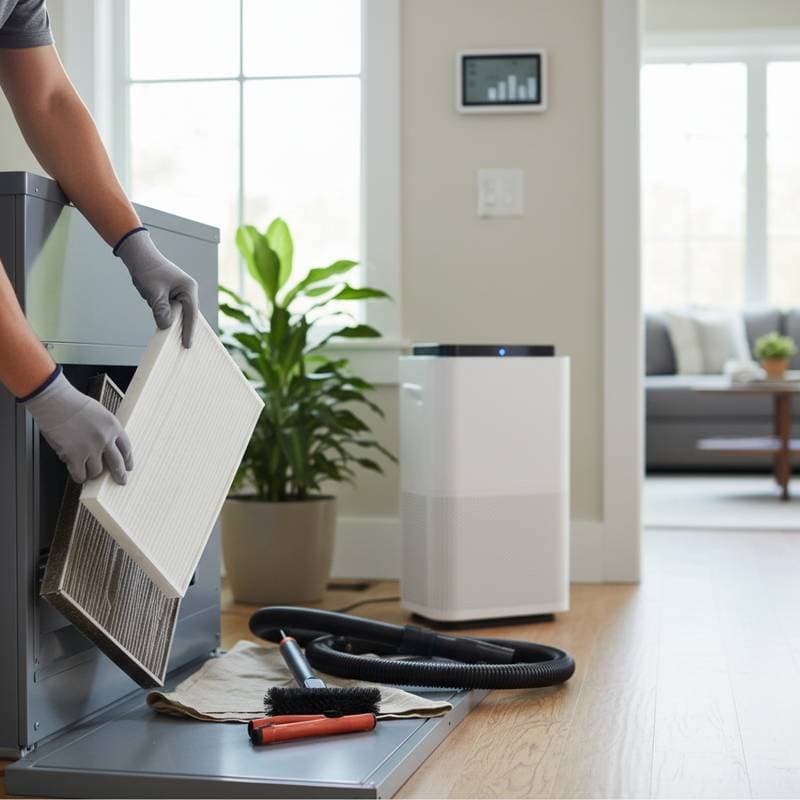
Disposable fiberglass filters cost $10 to $20 each and require replacement every one to two months. These capture large dust and lint but overlook finer allergens.
Intermediate Options:
Pleated filters or MERV 11 media, like Filtrete Smart models, range from $25 to $45 per unit. They capture smaller particles, last up to three months, and maintain better airflow for moderate efficiency improvements.
Advanced Purification Systems:
HEPA filters, UV-C lights, or electronic cleaners from brands such as Honeywell or Aprilaire cost $800 to $2,000 to install. These target microscopic pollutants, enhancing allergy relief and odor elimination. Premium setups often carry warranties of three to five years, providing sustained benefits.
Additional Cost Influences
Access to the system significantly affects pricing. Units in attics or crawl spaces demand extra effort, adding $50 to $150 in labor. Aging ducts might need sealing or repairs at $5 to $10 per vent. In humid or coastal regions, treatments for moisture and mold prevention add $100 to $300. Labor rates vary by location, with urban areas 15 to 20 percent higher than rural ones.
Types of Services and Their Prices
Standard Air Quality Service
A typical visit encompasses:
- Filter replacement
- Coil cleaning
- Blower examination
- Airflow assessment
- Drain line clearing
This process lasts one to two hours and costs $150 to $300. It fits well for modern systems in homes without pets or allergy issues.
Enhanced Whole-Home System Package
Comprehensive services add duct cleaning, UV light checks, and thermostat adjustments. Prices span $400 to $800 based on setup complexity. Homeowners select this for superior allergen management, odor control, and efficiency gains. The investment yields about 10 percent savings on yearly energy costs, recouping expenses in two to three years via reduced bills and repairs.
Optional Add-On Services
| Service | Cost Range | Primary Benefit |
|---|---|---|
| Duct sanitizing | $100 - $250 | Minimizes bacteria and mold |
| Humidifier servicing | $75 - $150 | Regulates indoor humidity levels |
| Dryer vent cleaning | $100 - $200 | Enhances safety and ventilation |
| Smart filter monitoring | $50 - $100 | Monitors replacement needs |
Bundling services often saves 10 to 20 percent. Schedule duct, vent, and filter work together to limit visits and optimize performance.
Comparing Professional and DIY Approaches
DIY Expense Overview
Self-managed maintenance saves funds when executed properly. Essential supplies include:
- Pleated MERV 10 filters at $25 each
- Coil cleaning spray for $12
- Vacuum with brush for $60
- Gloves and mask for $10
Initial outlay totals about $100, plus one to two hours per session. Errors, such as coil damage or poor duct sealing, can impair efficiency and trigger expensive fixes.
Benefits of Professional Service
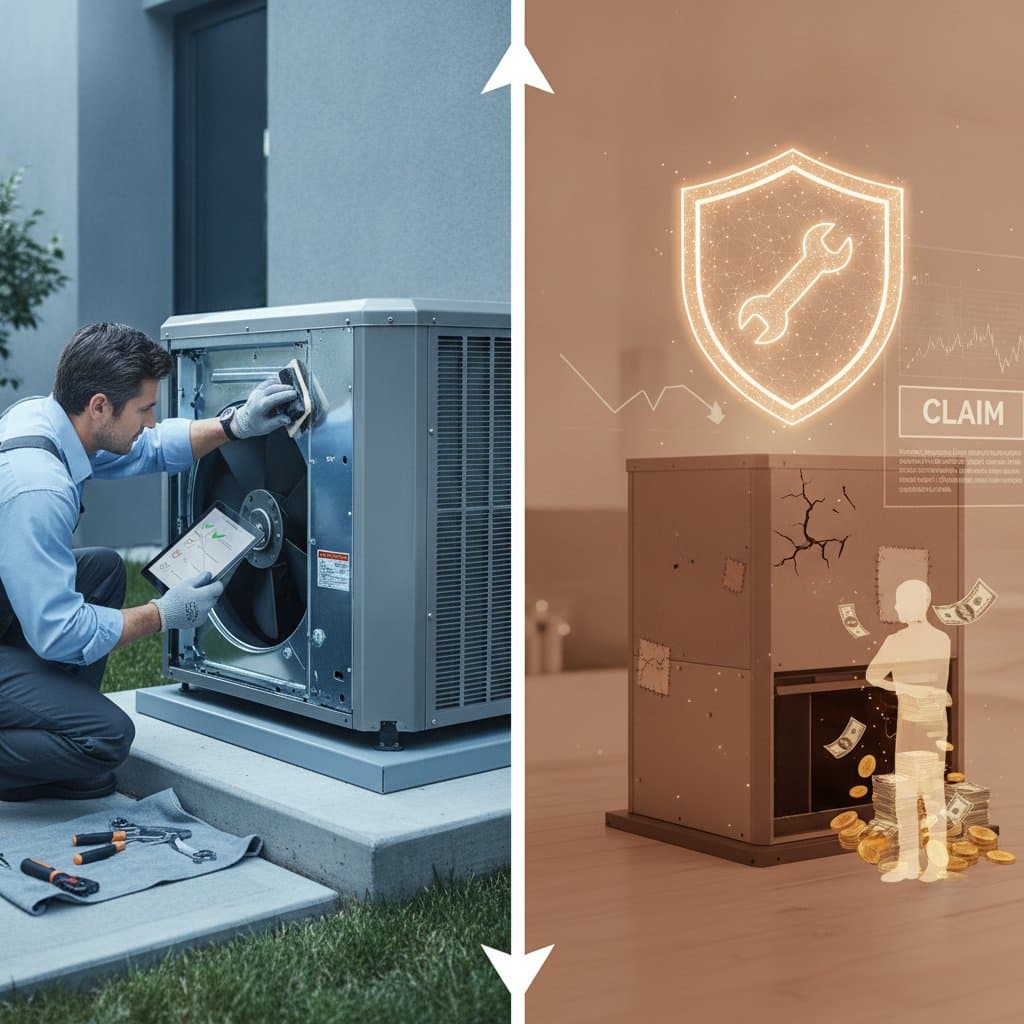
Experts use advanced tools worth thousands of dollars for precise diagnostics. They calibrate airflow, measure static pressure, and detect hidden leaks. Certified professionals offer guarantees of 30 to 90 days. Their work saves homeowners three to five hours per visit. Considering time, tools, and error risks, professionals prove cost-effective after one or two cycles.
Choosing the Right Method
Pursue DIY for accessible filters, basic tools, and available time. Select professionals for older systems, confined spaces, or signs like poor airflow or odors. A single pro cleaning often costs less than repairing DIY-induced damage.
Strategies to Lower Maintenance Expenses
Optimal Scheduling
Service providers discount up to 15 percent in spring and fall during low-demand periods. Midweek appointments avoid weekend premiums.
Effective Provider Selection
Obtain three quotes from licensed contractors. Comparisons cut costs by 10 to 25 percent. Inquire about annual plans for two discounted visits. Prompt payments may earn minor rebates.
Pre-Service Preparation
Clear space around vents and units before arrival. Swap accessible filters independently to shorten labor time. Report issues like odors or temperature inconsistencies to speed diagnostics and reduce fees.
Regional and Market Factors
Location-Based Differences
City-based services cost more from elevated labor and travel expenses. Metro maintenance exceeds rural by 20 percent. High-humidity or pollen-heavy areas double filter changes, elevating yearly totals.
Economic Influences
Supply chain shifts affect material prices. Filters and UV components rise post-allergy season. Labor scarcity inflates peak-season rates.
Long-Term Returns
Consistent maintenance boosts home value through better inspections and less HVAC degradation. Efficient systems save roughly $150 annually on electricity. Clean operations cut breakdown risks, avoiding repairs over $1,000.
Sustaining Air Quality for Health and Efficiency
Regular attention to indoor air ensures ongoing comfort and health protection. It stabilizes energy costs and extends equipment durability. Perform simple tasks personally or engage experts as needed, focusing on seasonal routines to maintain fresh, safe home air.