
Articles tagged with hurricane protection
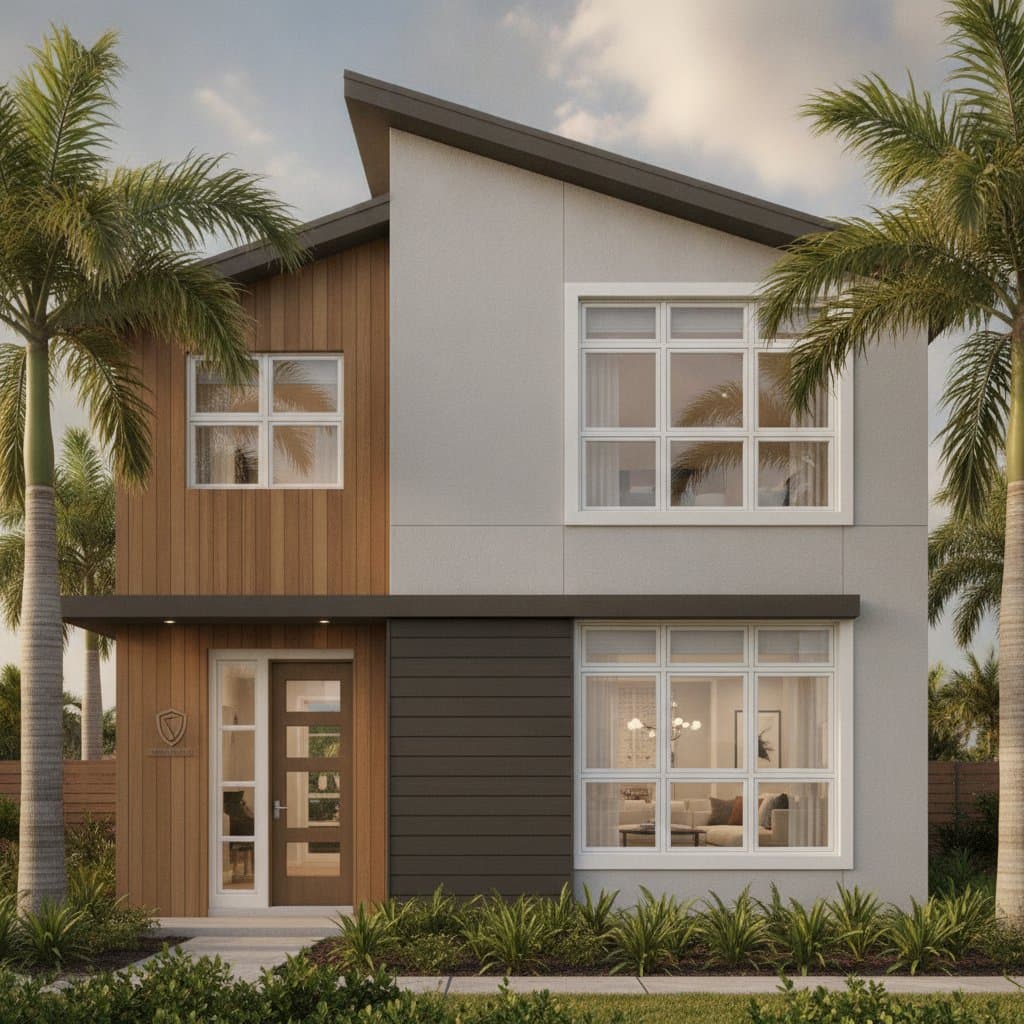
Impact windows combine laminated glass and reinforced frames to safeguard homes from storms, debris, and break ins. Installation costs range from 700 to 1,400 dollars per window when completed by licensed professionals.
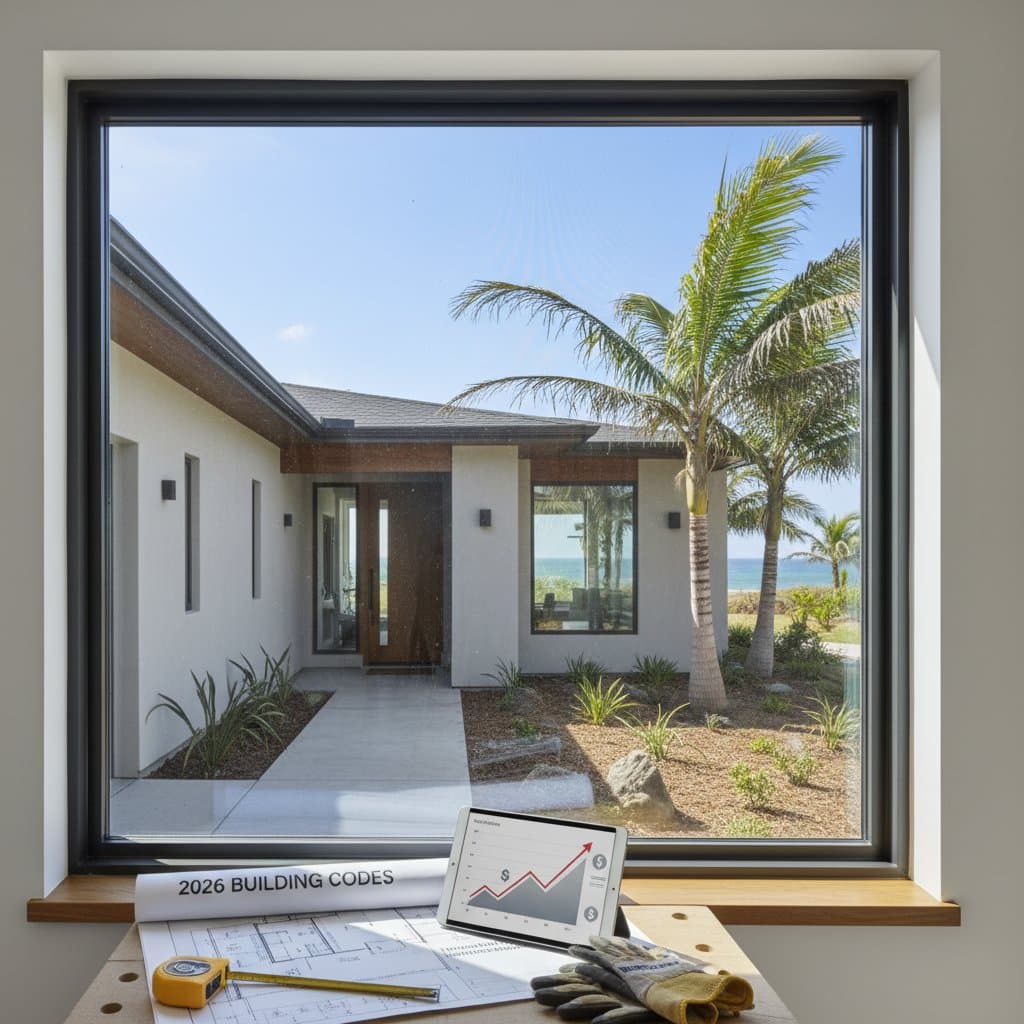
Uncover accurate 2026 pricing for hurricane-proof windows, with detailed material and labor estimates, plus guidance on professional versus DIY options. This resource equips homeowners to navigate upgrades, satisfy building codes, and safeguard properties effectively while optimizing expenses and boosting value.
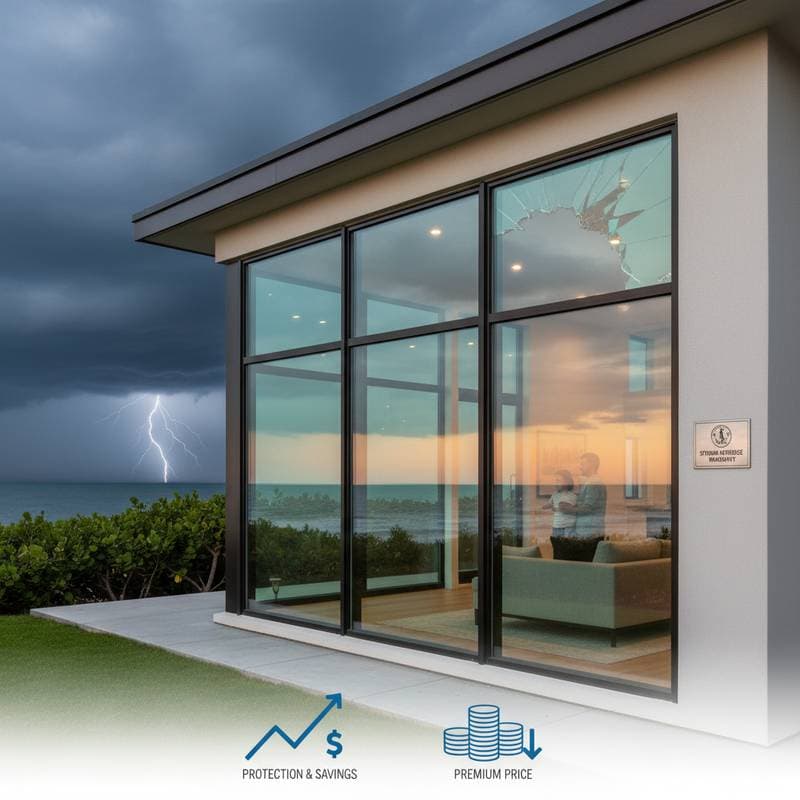
Hurricane windows deliver superior storm protection, energy efficiency, and noise reduction, yet they require a significant initial investment. This comprehensive guide examines materials, installation processes, return on investment, and regional influences to help you determine if impact-resistant windows represent a wise choice for enhancing your home's safety, comfort, and enduring worth.
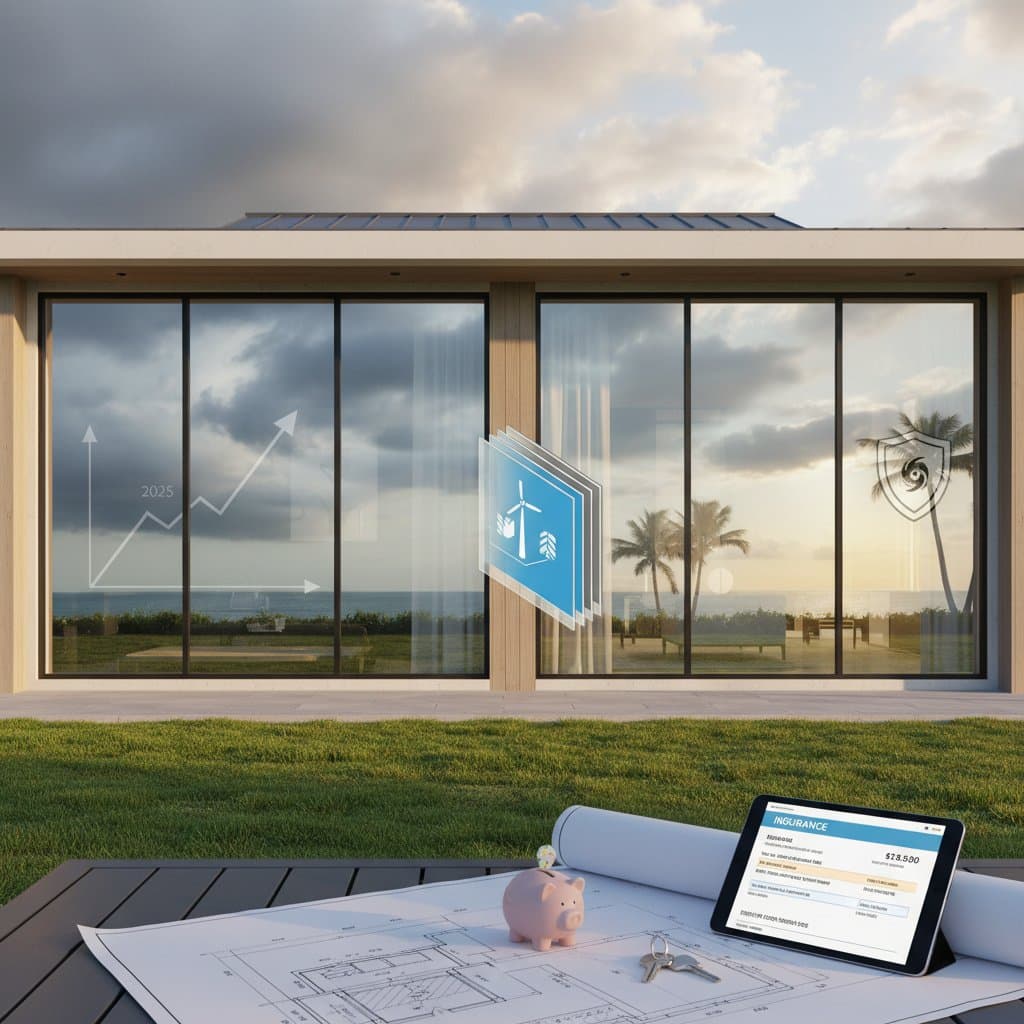
Hurricane windows lead 2025 ROI trends with storm resistance, energy savings, and increased property appeal. They lower insurance premiums, improve efficiency, and yield lasting financial gains. Learn about costs, installation, and warranties to optimize your home's resilience and returns.
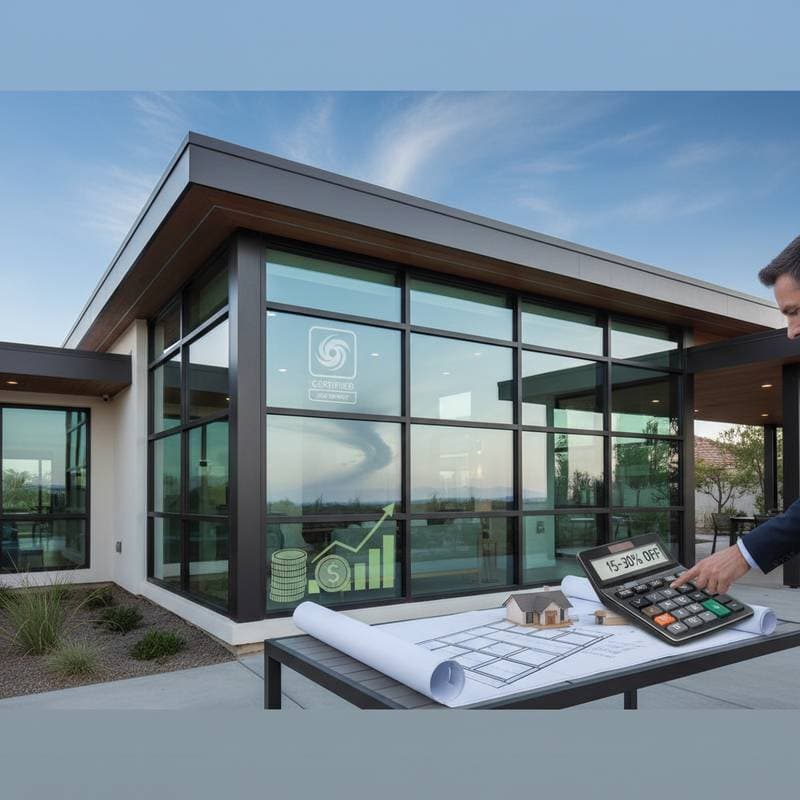
Uncover the 2025 costs, benefits, and installation essentials for hurricane windows. Discover how selecting the right materials and timing can maximize insurance savings of 15-30%, improve energy performance, and increase home resale value while providing robust storm protection.
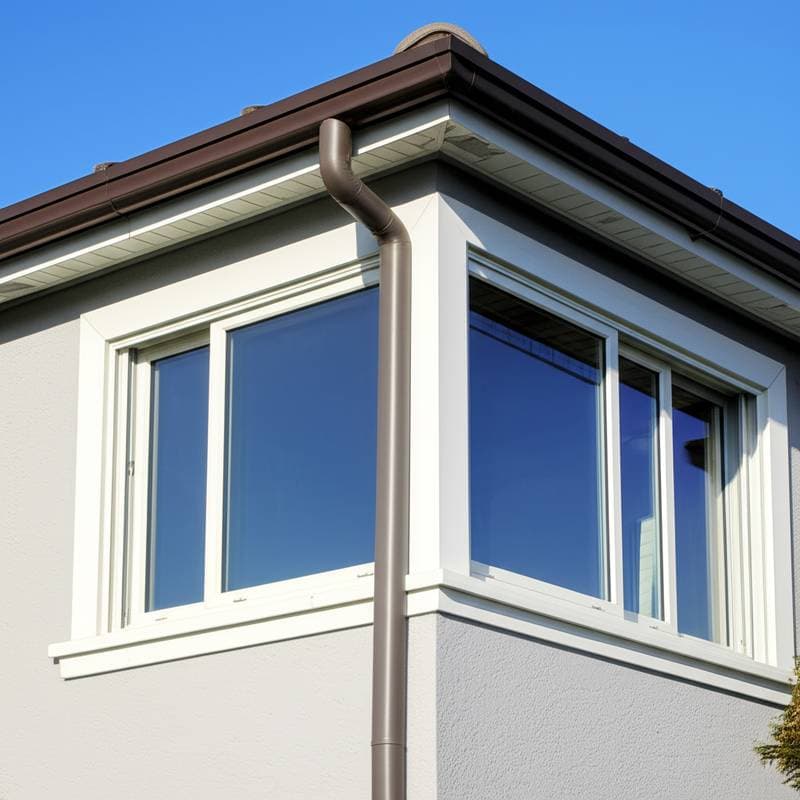
Explore 2025 insights on hurricane windows, covering costs influenced by materials and permits, plus insurance perks, financing options, and upkeep for sustained savings and property protection.

The national average for hurricane window installation stands at $11,000 for a full home, with ranges from $8,000 to $14,500 based on home size, material selections, and regional labor rates. Professionals recommend certified installers to ensure code compliance and structural integrity. Homeowners in storm-prone areas can expect a 60 to 75 percent return on investment, enhanced by strategic planning such as off-season purchases and incremental upgrades.