Safeguarding Your Home with Wildfire Coverage in Warranties
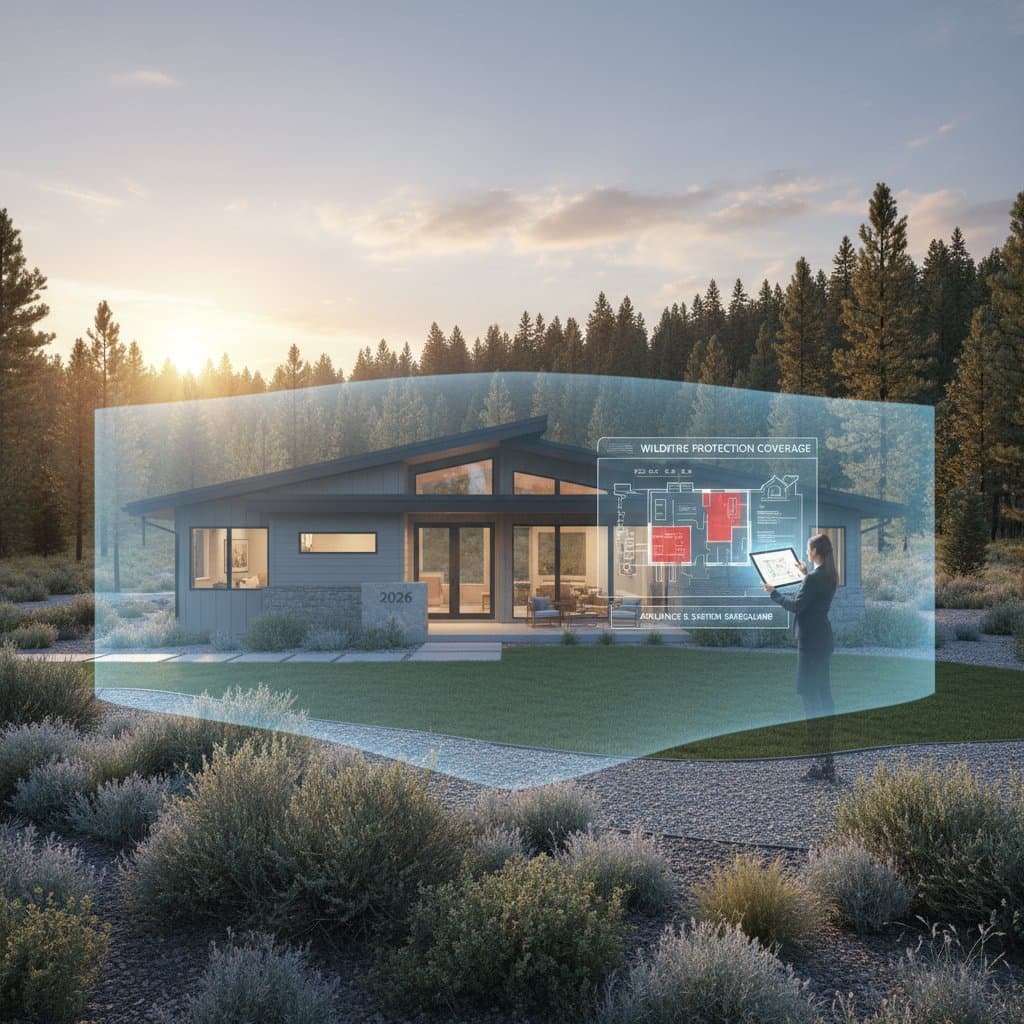
Wildfire coverage within home warranties shields homeowners from unexpected expenses related to repairing or replacing systems and materials harmed by fire events. Standard home warranties frequently omit coverage for fire damage, leaving significant financial burdens unaddressed. By evaluating existing protections and incorporating targeted add-ons, individuals can mitigate risks and secure comprehensive defense against escalating wildfire threats.
Key Overview
Definition:
This add-on extends a home warranty to encompass damages from wildfires, including direct fire impact and indirect smoke effects.
Importance:
Wildfire incidents have surged in frequency and severity, particularly in western and southern United States regions. Without this coverage, homeowners bear full responsibility for restoration costs, which can exceed thousands of dollars for essential systems.
Cost Factors:
Annual premiums for wildfire riders range from $100 to $400, influenced by geographic risk levels, property square footage, and the value of covered materials. Higher-risk zones, such as those near forests or in drought-prone areas, command elevated rates.
Professional Guidance:
Engage a certified home warranty consultant or insurance advisor to assess policy exclusions and identify optimal enhancements.
Timeline for Implementation:
Allocate one to two weeks to investigate options, obtain quotations, and integrate the add-on into your existing plan.
Review Schedule:
Examine coverage annually during renewal or following substantial home modifications, such as renovations that alter fire vulnerability.
Components of Wildfire Coverage
Wildfire warranty riders typically address a range of home elements vulnerable to fire-related harm. These provisions ensure that critical infrastructure receives prompt attention without depleting personal savings. Understanding the scope helps homeowners select plans aligned with their property's unique needs.
-
Heating, Ventilation, and Air Conditioning (HVAC) Systems: Coverage includes replacement or repair of units compromised by melting, smoke accumulation, or thermal distortion. For instance, ductwork infiltrated by soot may require professional cleaning or full substitution.
-
Electrical Infrastructure: This encompasses service panels, wiring conduits, and outlets tainted or destroyed by fire exposure. Policies often cover remediation to prevent hazards like short circuits from charred insulation.
-
Plumbing Networks: Protections extend to pipes and fixtures warped by intense heat or stressed by high-pressure water from suppression efforts. Burst lines due to thermal expansion fall under this category.
-
Integrated Appliances: Built-in devices, such as ovens, dishwashers, and water heaters, receive support if affected by convective heat. Coverage applies to functional restoration rather than aesthetic fixes.
-
Exterior Elements: Select plans cover roof assemblies and siding if fire-retardant treatments degrade or structural components weaken. However, cosmetic repairs to paint or minor scorching may not qualify.
Most policies impose per-claim caps, often $1,500 to $3,000, alongside annual aggregate limits of $5,000 or higher. Exclusions commonly apply to outdoor features like patios, gardens, or separate garages, emphasizing interior and structural priorities.
Guide to Incorporating Wildfire Coverage
Adding wildfire protection to a home warranty demands a systematic approach to ensure seamless integration and maximal benefits. This process minimizes overlaps with other insurances and clarifies post-event protocols. Follow these steps to fortify your policy effectively.
-
Examine Existing Policy Details:
Locate the exclusions clause and search for terms like "fire," "smoke," or "natural disasters." Note any partial inclusions, such as limited smoke cleanup, to avoid redundant purchases. -
Inquire About Available Riders:
Contact your warranty provider to explore wildfire-specific add-ons, often bundled within broader environmental peril packages. Request brochures detailing activation triggers and benefit triggers. -
Evaluate Coverage Boundaries:
Prioritize options with individual item limits starting at $1,000 and overall annual payouts exceeding $5,000. Compare deductibles, which might range from $50 to $200 per incident. -
Assess Integration with Homeowners Insurance:
Review your primary policy to distinguish between structural rebuilding (typically insured) and system repairs (warranty domain). This coordination prevents duplicate premiums for identical risks. -
Verify Incident Response Protocols:
Determine provider turnaround times, aiming for 24 to 48 hours for initial assessments. Confirm required evidence, such as photos, fire department reports, or professional evaluations. -
Arrange Pre-Enrollment Inspection:
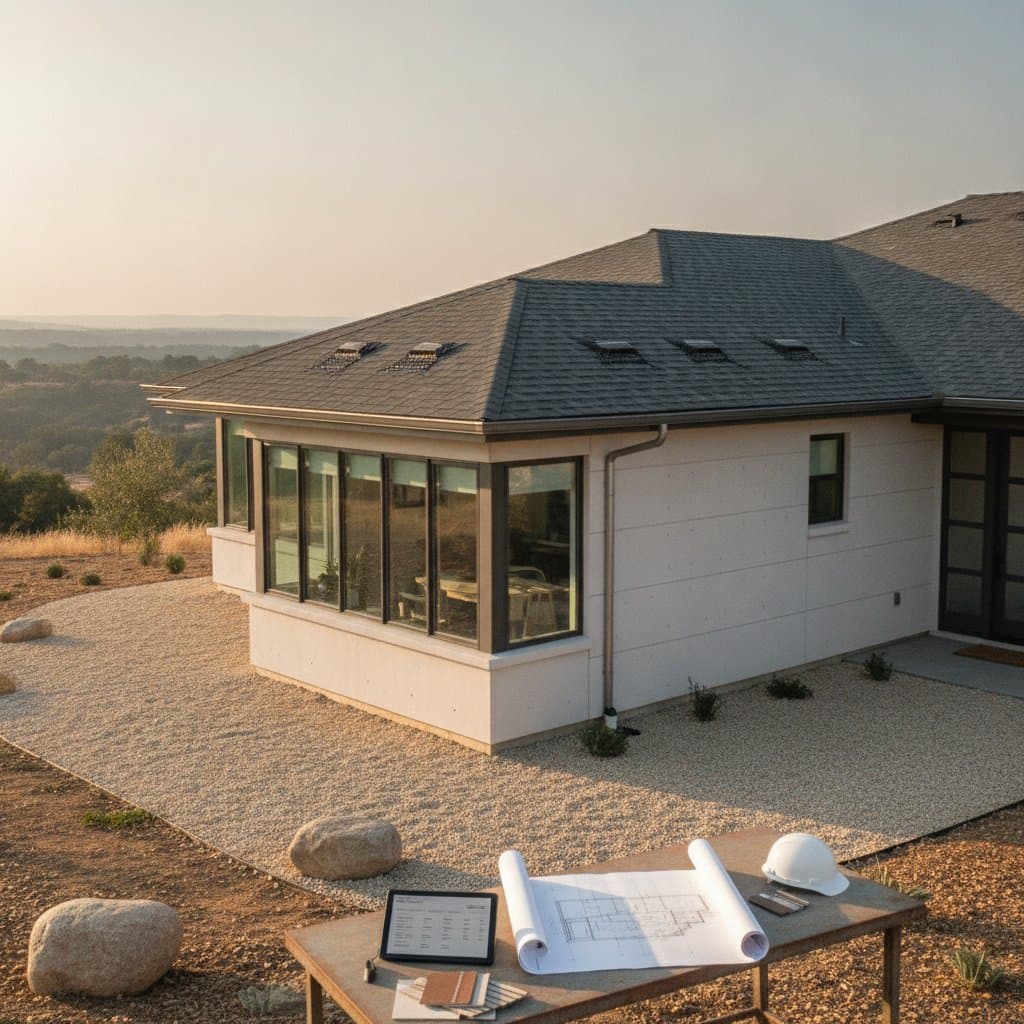
Many insurers mandate a site visit to confirm features like ember-resistant vents or cleared brush zones. Use this opportunity to identify and address vulnerabilities proactively. -
Complete Enrollment and Organize Records:
Sign the updated agreement and maintain both physical and electronic versions. Bookmark emergency contacts and outline a family action plan for wildfire scenarios.
Self-Managed Approach Versus Expert Assistance
Deciding between handling wildfire coverage additions independently or with professional input depends on your familiarity with policy language and property specifics. Each method offers distinct advantages in terms of control and thoroughness.
| Factor | Self-Managed Approach | Expert Assistance |
|---|---|---|
| Expertise Needed | Moderate; involves interpreting legal terms | High; leverages specialist knowledge |
| Risk Level | Minimal, focused on administrative tasks | Minimal, with guided compliance |
| Equipment Needed | Basic digital devices for online research | None required |
| Regulatory Needs | None directly applicable | None directly applicable |
| Duration | 2 to 4 hours for thorough investigation | 1 to 2 hours for personalized review |
| Policy Effects | Potential for overlooked gaps if terms confuse | Comprehensive audit ensuring no voids |
Independent efforts suit those adept at dissecting contracts and residing in moderate-risk areas. Professionals prove invaluable for high-exposure properties or complex insurance portfolios, as they harmonize warranties with broader coverage to eliminate redundancies.
Upkeep and Durability Considerations
Home warranties renew annually, yet wildfire endorsements might necessitate biennial or triennial reassessments to validate ongoing eligibility. Proactive maintenance, such as biannual clearing of defensible space—once pre-dry season and again post-rainy growth—preserves coverage validity. Regularly inspect and update seals, ventilation screens, and ember barriers to thwart intrusion during blazes.
Covered components exhibit standard operational durations, unaffected by the add-on itself but shielded from premature degradation:
-
HVAC units: 10 to 15 years under normal conditions.
-
Roof structures: 20 to 30 years, depending on material resilience.
-
Electrical panels: 25 years or longer with routine checks.
This coverage intervenes specifically against fire-induced accelerations, preserving expected longevity through timely interventions.
Common Questions Addressed
Does standard homeowners insurance encompass wildfire damages?
Homeowners policies generally handle major structural losses from wildfires but overlook intricate system repairs, which home warranties target for efficiency.
Is wildfire coverage available as a standalone product?
Certain providers offer it independently, though the majority ties it to an underlying home warranty for comprehensive application.
Does the coverage include remediation for smoke infiltration within walls?
Affirmative, provided the policy explicitly designates smoke contamination as a reimbursable peril; otherwise, it may limit to visible impacts only.
How does maintaining defensible space influence qualification?
Providers often condition approval on documented vegetation management, such as 30-foot clearance zones, to demonstrate reduced ignition potential.
Strengthening Your Defenses Against Wildfires
Integrating wildfire coverage into your home warranty represents a proactive step toward resilience in an era of heightened environmental risks. This enhancement not only curtails financial exposure but also accelerates restoration, allowing families to rebound swiftly. Consult resources tailored to your locale and commit to regular policy reviews to adapt protections as threats evolve.