Does Home Warranty Cover Your Luxury Appliances?
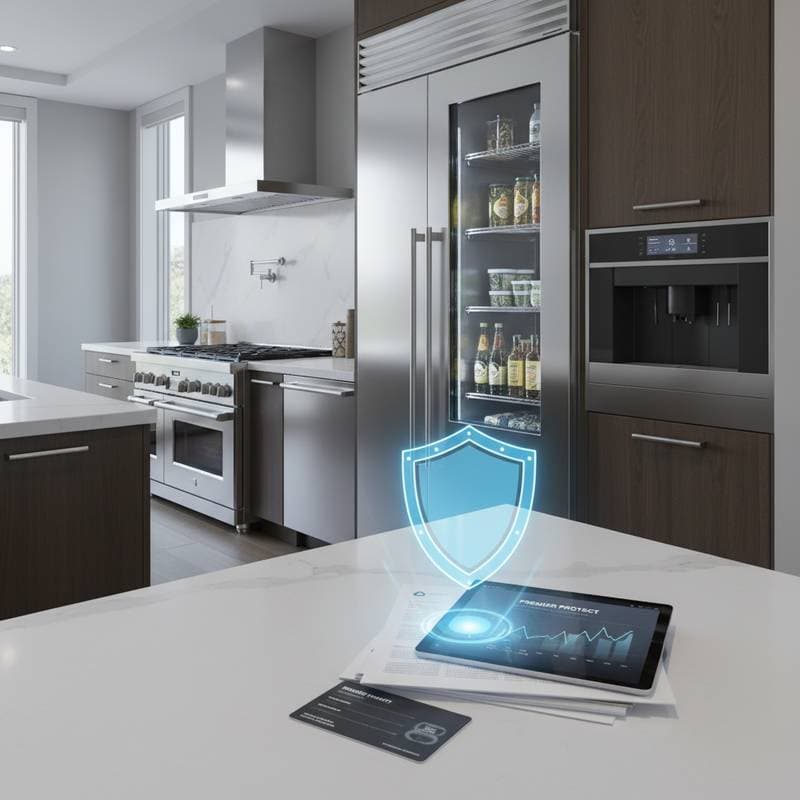
Luxury appliances enhance daily living with advanced features and superior design. These items, such as high-end refrigerators or professional-grade ovens, often command premium prices for repairs. Home warranties present a viable option to mitigate such costs, yet coverage varies widely based on policy details.
Understanding the scope of protection requires careful examination. Not all plans treat luxury items equally, and exclusions can lead to unexpected outlays. This guide clarifies key elements to help homeowners make informed choices.
Understanding Home Warranties
A home warranty functions as a service contract that covers repairs or replacements for major home systems and appliances. Providers typically offer plans for kitchens, laundry areas, and heating systems. Coverage activates after the manufacturer's warranty expires, addressing wear-and-tear issues.
Plans divide into basic and comprehensive tiers. Basic options focus on standard appliances like dishwashers and dryers. Comprehensive plans extend to additional items, potentially including luxury models, though limitations apply.
Service calls incur a fee, often ranging from $75 to $125 per visit. Annual premiums vary by location and coverage level, influencing overall value. Homeowners benefit from selecting providers with strong networks of certified technicians.
Defining Luxury Appliances
Luxury appliances refer to high-performance units from premium brands, featuring innovative technologies and custom designs. Examples include Sub-Zero refrigerators, Wolf ranges, and Miele washers. These differ from standard models in build quality and energy efficiency.
Brands like Viking, Thermador, and Bosch fall into this category, often exceeding $2,000 per unit. Installation requires professional expertise to maintain warranties. Regular maintenance, such as cleaning coils or calibrating controls, preserves longevity.
Homeowners invest in luxury for durability and aesthetics. However, repairs involve specialized parts and labor, escalating costs beyond typical budgets. Evaluating coverage needs starts with identifying specific models in use.
Coverage for Luxury Appliances in Home Warranties
Most home warranties cover appliances regardless of brand, provided they meet age and condition criteria. Luxury items qualify under standard plans if installed correctly and maintained properly. Providers assess functionality rather than prestige during claims.
Exclusions arise for improper installation or modifications. For instance, a custom-built luxury oven may not qualify if not wired to code. Pre-existing conditions also void coverage, emphasizing the importance of documentation at purchase.
Some plans cap payouts for high-end repairs. A $500 limit per appliance might fall short for a $1,200 compressor replacement in a luxury fridge. Reviewing policy fine print reveals these thresholds early.
Eligible Brands and Models
Popular luxury brands like GE Monogram, Jenn-Air, and Dacor generally receive coverage. Providers partner with manufacturers for parts availability. Confirmation comes through the warranty's appliance schedule, listing covered categories.
Built-in versus freestanding units affect eligibility. Integrated luxury appliances, such as wine coolers, often require add-on endorsements. Homeowners should verify model numbers against provider guidelines before enrollment.
Regional variations influence coverage. In areas with high demand for premium services, providers expand options. Contacting customer support clarifies specifics for individual setups.
Factors Influencing Coverage Effectiveness
Installation quality plays a pivotal role. Professional setup by certified technicians ensures compliance with warranty terms. DIY efforts or unqualified contractors can invalidate claims, leaving owners liable for full costs.
Maintenance records prove essential. Providers request evidence of routine servicing, such as annual tune-ups for luxury cooktops. Neglect accelerates breakdowns, triggering denials.
Budget alignment matters. Service fees and deductibles add up during multiple claims. Comparing total annual costs against potential repair bills guides plan selection.
Plan Limits and Service Fees
Every policy sets aggregate and per-item limits. Annual caps might reach $1,500 to $3,000, sufficient for standard fixes but tight for luxury overhauls. Per-incident maximums protect against single large expenses.
Service fees cover technician dispatch. Higher fees often correlate with lower premiums, offering flexibility. Unused fees do not roll over, so frequent users benefit from lower per-call amounts.
Upgrades like enhanced coverage increase premiums by 20 to 50 percent. These eliminate caps for select appliances, ideal for luxury investments. Weighing frequency of use determines necessity.
Alternatives to Standard Home Warranties
Manufacturer warranties provide initial protection, typically one to two years. Luxury brands extend options through paid programs, covering parts and labor beyond basics. These focus on brand-specific issues, unlike broad home plans.
Dealer-purchased extensions offer tailored coverage. Retailers like Best Buy or local showrooms bundle plans with purchases. They address installation defects and early failures effectively.
For comprehensive needs, combining options works best. A home warranty handles general wear, while manufacturer plans target defects. This layered approach minimizes gaps.
When Extended Coverage Adds Value
Extended plans shine for homes with multiple luxury units. If repair history shows recurring issues, the investment pays off. Calculate break-even by estimating annual repair probabilities.
Budget-conscious owners prefer basic plans with add-ons. Targeting high-risk appliances, such as refrigerators, optimizes spending. Annual reviews adjust coverage as appliances age.
Direct options suit low-maintenance setups. If luxury items remain under manufacturer terms, additional warranties prove redundant. Monitoring expiration dates prevents lapses.
Steps to Secure Optimal Protection
Assess current appliances and their warranties. List models, ages, and installation details for reference. This inventory informs provider comparisons.
Research providers using review sites and ratings. Look for A-rated companies with luxury experience. Sample policies online to gauge coverage breadth.
Obtain quotes from at least three sources. Factor in premiums, fees, and exclusions. Negotiate add-ons for specific needs.
- Review the contract thoroughly before signing.
- Schedule professional inspections post-installation.
- Maintain detailed records of all services.
- File claims promptly with complete documentation.
- Renew annually, adjusting for changes.
Following these steps ensures seamless protection.
Protecting Your Investment Wisely
Home warranties safeguard luxury appliances when aligned with specific conditions. Proper selection balances cost and coverage for peace of mind. Homeowners gain confidence knowing repairs stay manageable.
Regular evaluations keep plans current. As technology advances, updating coverage maintains relevance. This proactive stance preserves the value of premium home features.
Ultimately, informed decisions enhance homeownership. By understanding options, individuals avoid surprises and focus on enjoyment.