
Articles tagged with home-office-renovation
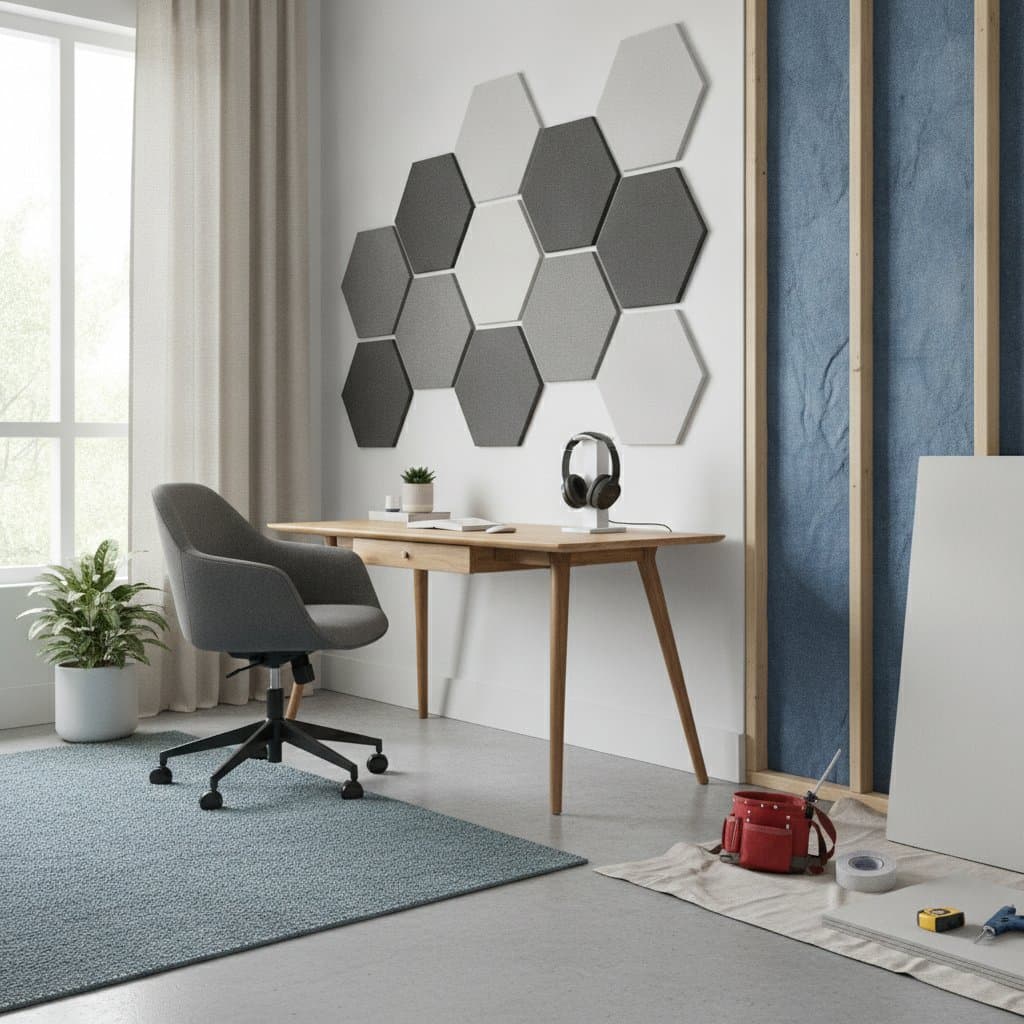
Turn a noisy workspace into a calm environment with targeted upgrades that cost less than 500 dollars. This guide covers when soundproofing helps most, realistic budgets, and clear steps for sealing, insulating, and absorbing sound.
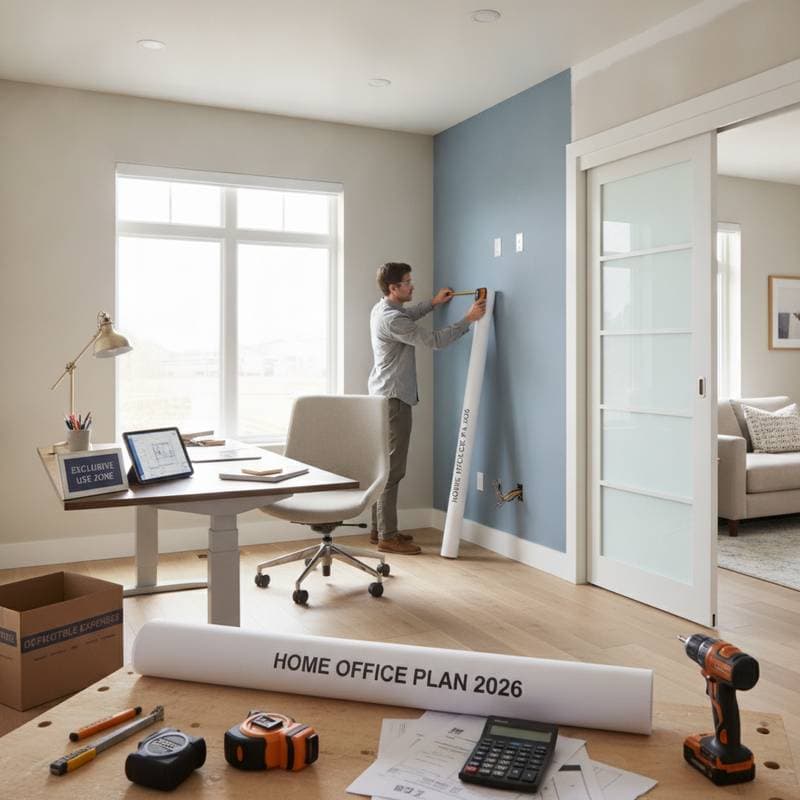
Learn how to turn a home renovation into a tax-smart investment. This guide explains which home office conversion costs qualify for deductions, how to document expenses, and when to hire professionals.
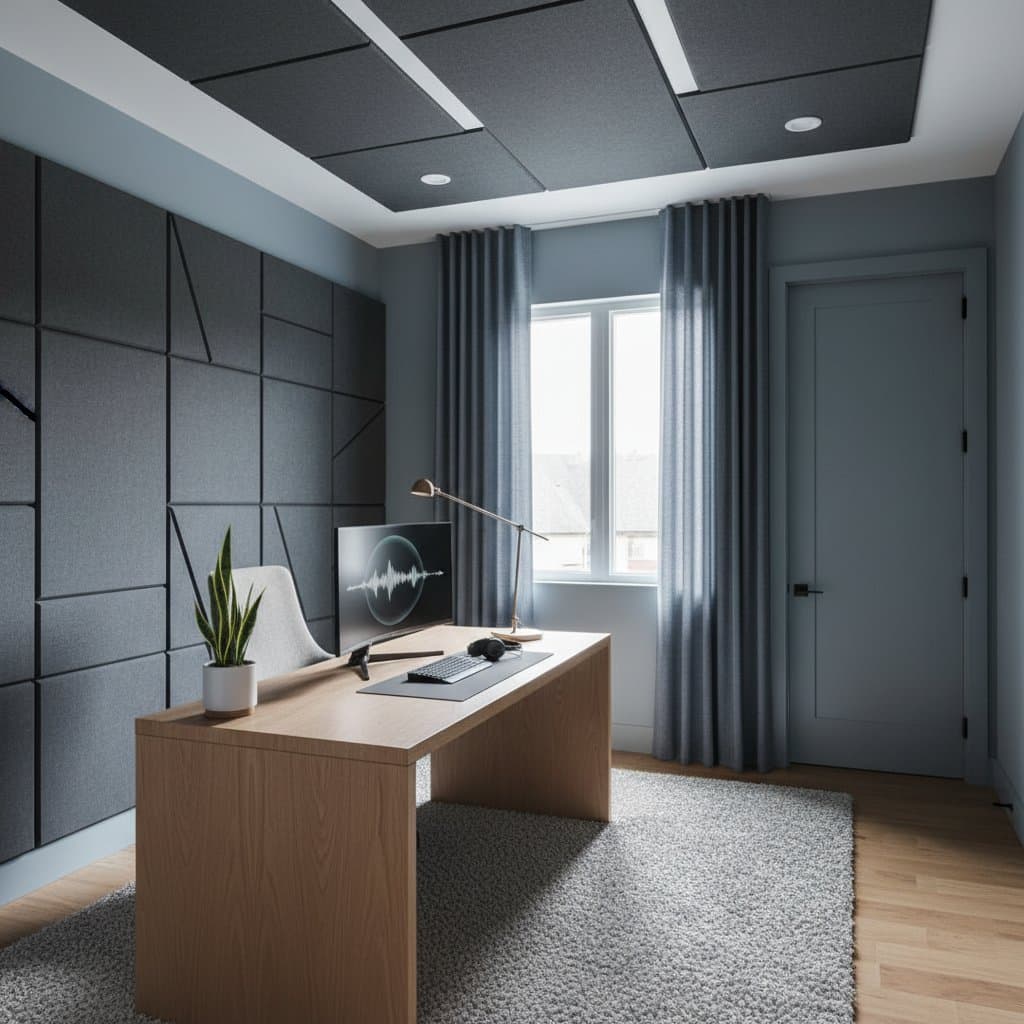
In 2026, soundproofing a home office enhances concentration, safeguards privacy, and elevates property value by minimizing distractions. Costs typically fall between $1,000 and $6,000, delivering substantial returns through improved productivity and comfort. This guide covers essential materials, methods, installation options, and factors influencing acoustic effectiveness and investment value.
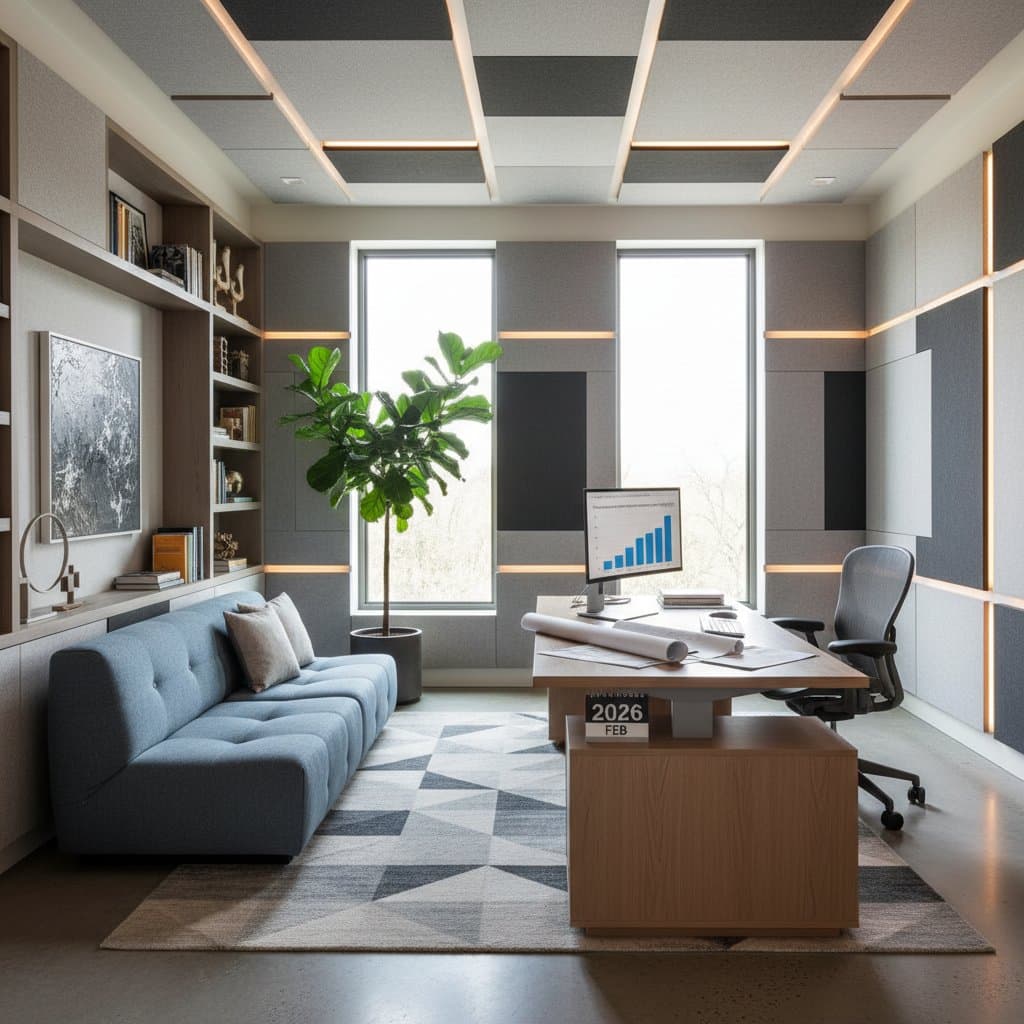
Converting a distracting space into an efficient home office requires thoughtful soundproofing. This guide details 2026 costs, material options, contractor selection, and maintenance practices, demonstrating how precise investments improve productivity, increase property appeal, and deliver substantial returns for remote workers.
In 2026, soundproofing a home office typically costs $800 to $3,500, influenced by factors such as room dimensions, chosen materials, and professional labor. Options like acoustic panels and insulated walls improve concentration and maintain professionalism. This guide provides cost-effective DIY approaches, expert recommendations, and maintenance techniques for a serene, efficient workspace.
Soundproofing your home office in 2026 typically costs between $1,200 and $3,800, with a national average of $2,100. This guide details factors influencing expenses, practical DIY methods to lower costs, professional recommendations, and upgrades that enhance quiet, comfort, and property value for remote workers.
Turn your home office into a tax-efficient powerhouse. This guide covers 2026 setup expenses, deduction categories, budgeting tips, and compliance essentials to document costs effectively, claim precise deductions, and align renovations with sustained savings for enhanced productivity and financial gains.
Learn the essentials of soundproofing a home office in 2026, from budget breakdowns and material options to DIY guidance and professional advice for achieving a distraction-free environment.
Converting a room into a home office promises better focus and efficiency, yet it often brings unexpected costs beyond basic furnishings.
Home office conversions face a projected 35% cost increase in 2025, pushing national averages to around $22,000. Factors such as escalating labor rates, premium material demands, and the persistence of hybrid work arrangements fuel this rise. This guide details key cost drivers, DIY opportunities versus professional needs, and proven tactics to control expenses while enhancing comfort and property value.
Converting unused areas into home offices involves more than aesthetics; it requires navigating permits, budgeting for upgrades, and ensuring code compliance. From power enhancements to climate controls, grasp the necessities to sidestep penalties and build a secure, effective workspace.
Converting a spare room into a dedicated home office? The 2025 home office tax deduction offers significant relief on renovation costs when you adhere to IRS guidelines. This guide details how to measure your space, track eligible expenses for materials, labor, and utilities, and maintain compliance to optimize deductions for self-employed professionals.
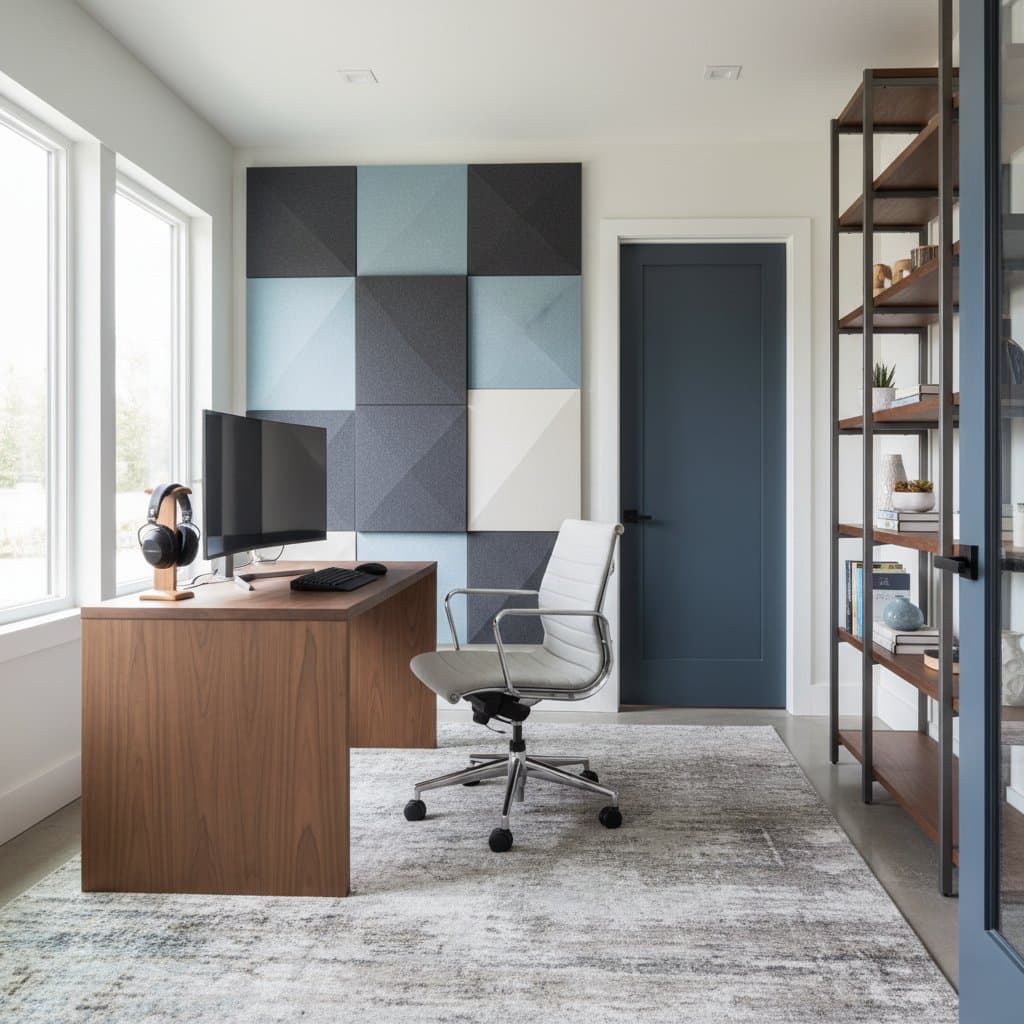
Soundproofing a home office transcends mere silence; it fosters superior focus, professional demeanor, and elevated property worth. Ranging from affordable do-it-yourself seals to advanced acoustic systems, these investments yield returns via boosted efficiency, secured privacy, and sustained comfort. Discover targeted materials, installation techniques, and upkeep strategies that convert noise management into tangible benefits.
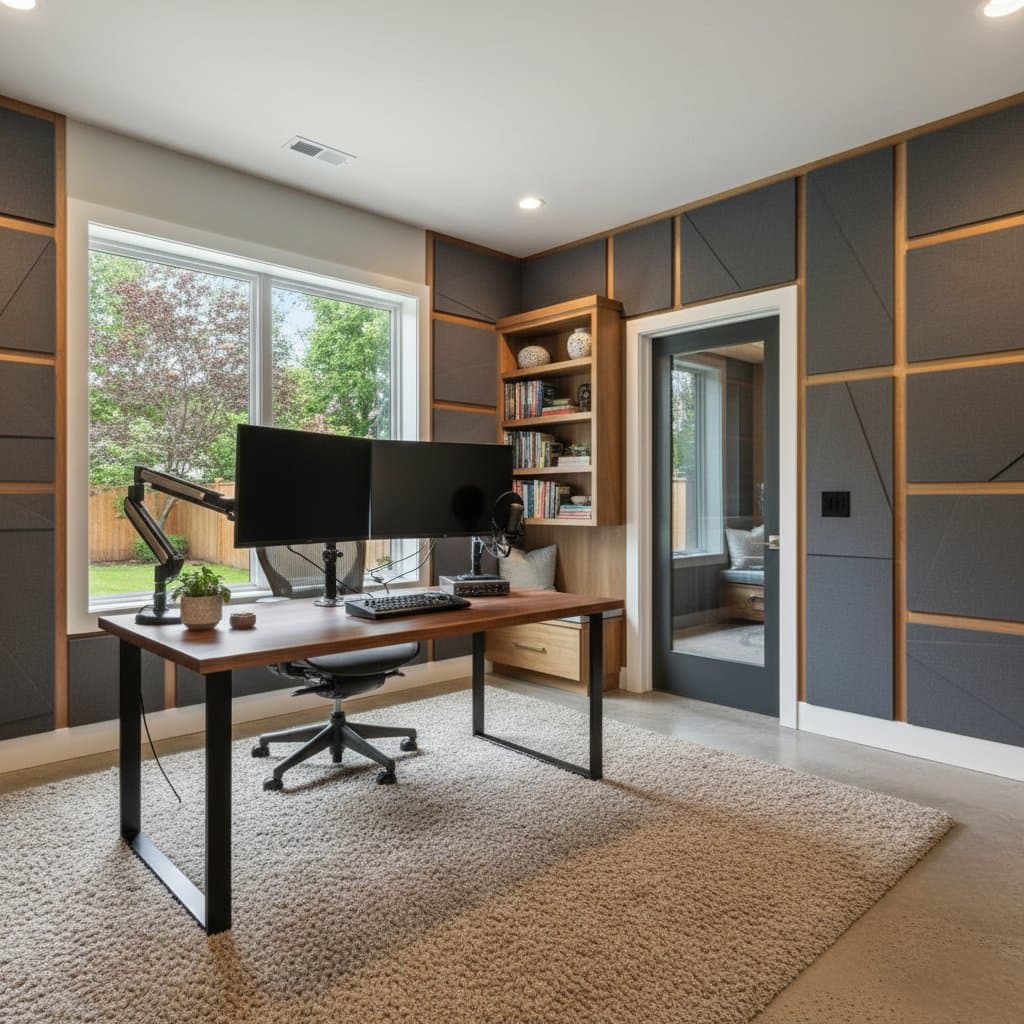
The average cost to soundproof a home office in 2025 stands at $3,200, with ranges from $500 for simple DIY measures to over $10,000 for professional acoustic overhauls. This guide details cost drivers, budget-saving strategies, and effective upgrades to block noise and enhance focus for better work and creativity.