Combined Roof and Solar Installation Guide
Cost Overview
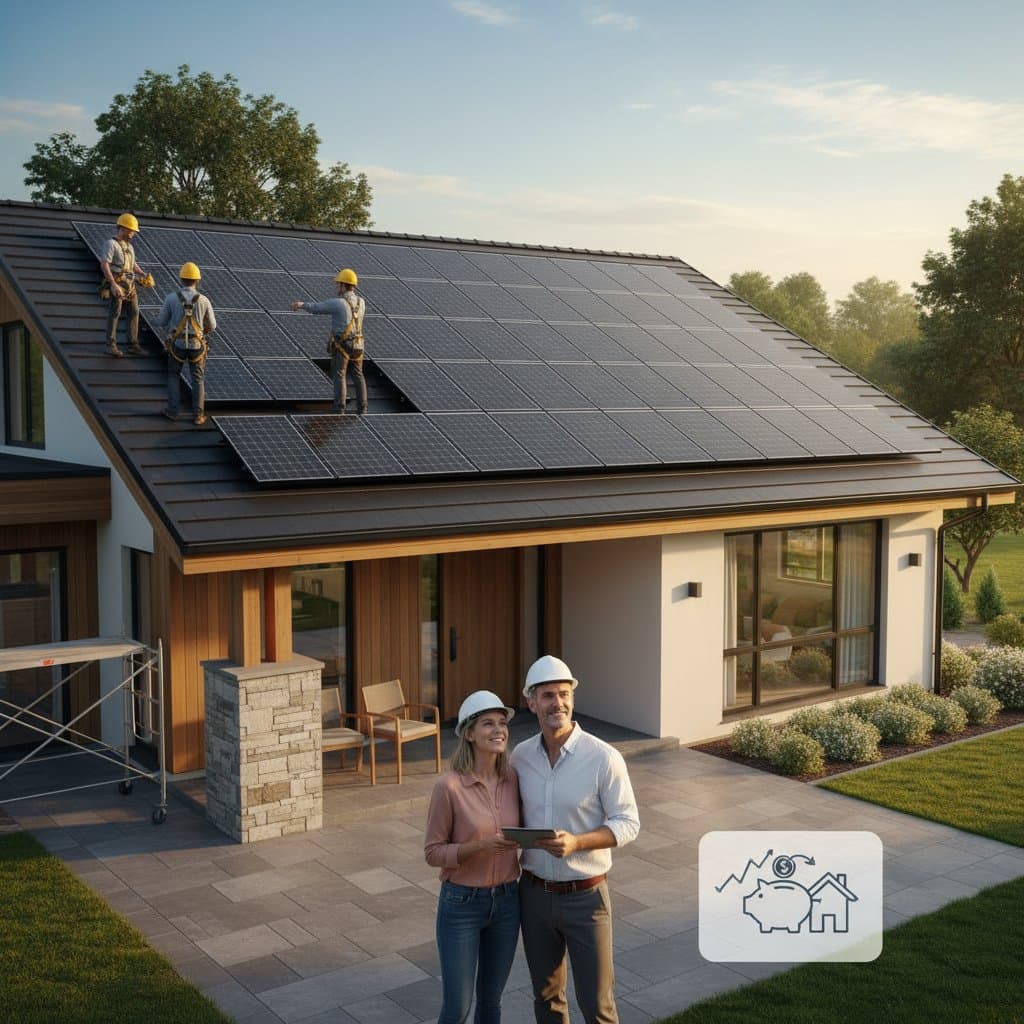
Replacing your roof while installing solar panels reduces overall expenses by sharing labor and equipment. Most homeowners can expect total costs between 30000 and 60000 dollars. This approach prevents future roof work under panels and maintains full warranty coverage.
Benefits and Drawbacks
Benefits
- Shared scaffolding and permits lower labor expenses significantly.
- Coordinated installation protects roof warranties by avoiding panel removal.
- Integrated mounting reduces roof penetrations for better leak protection.
- Long term energy savings and higher resale value result from the upgrade.
Drawbacks
- Substantial initial investment is required.
- Coordination between roofing and solar teams demands precise timing.
- Structural assessments may reveal needs for reinforcement.
- Installation extends over several days with temporary home disruption.
Installation Process
Required Tools and Materials
- Ladder with fall protection
- Roofing nail gun
- Shingles or metal roofing panels
- Solar mounting rails and brackets
- Voltage meter and electrical conduit
- High quality sealant and flashing components
The project typically requires 5 to 10 days and involves advanced skills.
- Assess the roof condition with professionals to determine shape, slope, and load capacity. Obtain detailed plans and pricing.
- Remove existing roofing materials down to the deck and clear all debris.
- Repair any damaged decking, fascia, or flashing areas.
- Apply underlayment, drip edge, and install the new roofing surface.
- Attach solar mounting hardware securely to rafters and seal all entry points.
- Connect solar modules, route wiring through conduit, and install necessary safety disconnects.
- Verify electrical connections, grounding integrity, and absence of leaks.
- Integrate the system with the home electrical panel and activate monitoring.
- Clear the site, inspect drainage, and ensure the roof remains unobstructed.
Photograph the completed roof before panel placement to support future warranty needs.
Professional Installation Recommendations
Homeowners can handle basic panel cleaning and output monitoring after setup. Structural issues, electrical connections, and permit processes require licensed experts. Professionals perform load calculations, precise flashing, and code compliant work that qualifies for incentives and full warranties.
Installation Options
Solar shingles provide a seamless appearance on new roofs at a higher cost. Standard rack mounted panels suit roofs in good condition but may lead to future adjustments. Ground mounted arrays work well for shaded or limited roof spaces, though they require additional yard area.
Common Questions
How long do solar panels last? Most systems deliver reliable output for 25 years or longer.
Do I need a new roof for solar? Replacement before panel installation prevents repeated labor costs.
Can solar panels damage the roof? Proper flashing and rafter attachments prevent issues.
What about roof warranties? Coordinated installation ensures both warranties remain valid.
Will it raise my property value? Energy efficient features typically increase market appeal and sale prices.
Can I finance the project? Specialized loans combine roofing and solar costs with available tax credits.
Next Steps for Homeowners
Schedule a professional roof evaluation first. Collect coordinated bids from licensed roofers and solar contractors. Review material choices and warranty terms carefully. Confirm the design matches your roof specifications and local requirements. This preparation delivers reliable energy production and durable protection.