Converting Gas to Electric: What Homeowners Should Know
Switching from gas to electric appliances can lower emissions, simplify maintenance, and improve indoor air quality. The change affects utilities, wiring, ventilation, and household habits. Homeowners considering conversion need a clear understanding of scope, cost, and timing.
What Gas-to-Electric Conversion Means
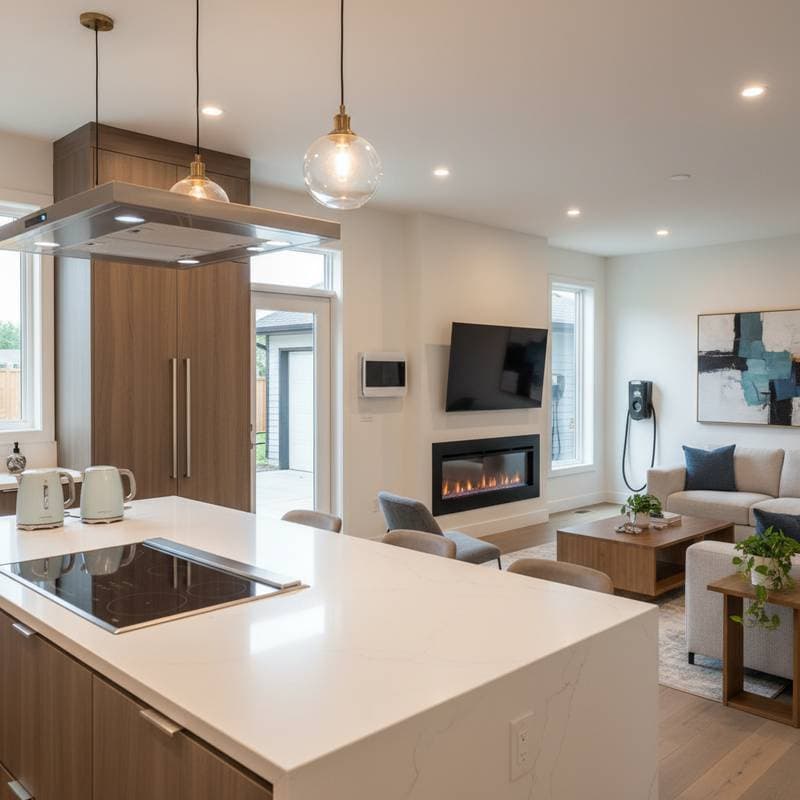
Gas-to-electric conversion replaces fossil-fuel equipment with electric alternatives that run on grid power or home-generated electricity. Typical upgrades include electric heat pumps for heating and cooling, induction cooktops for cooking, and heat pump water heaters for domestic hot water. The shift affects both mechanical and electrical systems. It may require new circuits, updated service panels, or expanded capacity to handle higher electrical loads.
Signs It May Be Time to Convert
- Aging gas appliances near the end of their service life create a natural opportunity for replacement.
- Rising gas costs or limited supply make electric pricing more stable in some regions.
- Home renovations or panel upgrades provide good access to wiring and systems.
- Indoor air quality concerns arise because gas combustion releases nitrogen oxides that can affect health.
- Climate goals or utility incentives encourage the switch through available rebates.
Costs and Key Price Factors
Nationally, converting a single appliance may cost between 1500 and 4000 dollars. Full-home conversions range from 8000 to 30000 dollars. The median project lands near 15000 dollars for a typical three-bedroom home.
Cost Table
| Line Item | Typical Range | Notes and Variables |
|---|---|---|
| Electrical panel upgrade | 2000 - 5000 | Needed if service is below 200 amps |
| New circuits and wiring | 500 - 2000 per appliance | Depends on distance and wall access |
| Heat pump installation | 4000 - 10000 | Includes indoor and outdoor units |
| Heat pump water heater | 1500 - 3000 | May need condensate drain |
| Induction range | 1000 - 3000 | Some models need cookware change |
| Electric dryer | 800 - 1500 | Ventless heat pump units cost more |
| Gas line capping | 200 - 600 | Must be done by licensed plumber |
| Permit and inspection | 300 - 1000 | Varies by municipality |
Price Drivers
Panel capacity matters because older homes with 100-amp panels need upgrades. Home size influences the number of circuits and the capacity of heat pumps required. Access through finished walls increases wiring labor. Regional labor rates tend to be higher in urban markets. Incentives and rebates can offset thousands of dollars in total expenses.
Safety and Code Requirements
Electric conversions must meet national and local electrical codes. Key rules include dedicated circuits for large appliances, proper grounding for shock protection, and correct wire sizing to match amperage. AFCI and GFCI protection is required in kitchens, laundries, and basements. Gas line termination must be pressure-tested before sealing.
Turn off power at the main breaker before any inspection. Ventilate areas during old appliance removal. Wear gloves and eye protection. Never modify gas lines without a permit. Follow manufacturer clearances for all electric appliances.
Regional Factors
Climate Considerations
Cold climates require cold-climate heat pumps rated for low temperatures, and backup resistance heat may be needed. Hot-humid zones benefit from dehumidification features in heat pumps and water heaters. Dry regions allow outdoor condenser units to last longer due to less corrosion. Marine climates call for corrosion-resistant materials and stainless fasteners.
Code or Permit Notes
Many cities now require electric-ready wiring in new construction. Certain regions limit gas line extensions, which makes conversion easier to permit.
Material Suitability
Copper wiring is preferred for new circuits. Aluminum wiring needs approved connectors. Stainless steel or brass fittings prevent corrosion in coastal areas.
Timing by Season
Conversions that include HVAC work are best done in mild weather so the system can be tested before heating or cooling is needed.
Glossary
Amperage measures electrical current flow in a circuit. A circuit breaker is a safety device that stops power when a circuit is overloaded. Combustion gas refers to exhaust from burning fuel, often vented through flues. A heat pump moves heat between indoor and outdoor air for heating and cooling. An induction cooktop heats cookware directly using magnetic fields. A panel upgrade replaces the main electrical service panel to increase capacity. A rebate is a financial incentive offered by utilities or governments for energy-efficient upgrades. The service entrance is the point where electrical power enters the home. Venting releases exhaust gases to the outdoors. Wattage measures the electrical power an appliance uses.
Planning Your Next Steps
Start by assessing current appliance ages and utility bills to identify priorities. Consult a licensed electrician and plumber to evaluate panel capacity and gas line termination. Apply for available rebates early to reduce out-of-pocket costs. Schedule work during mild weather when possible to minimize disruption. Track progress against local codes to ensure a safe and compliant result.