Smart Barriers and Materials That Stop Flood Damage
Upgrades That Make Your Home Flood-Resilient
Quick Take
- Elevate or seal key systems before water reaches them.
- Direct runoff away with grading, drains, and barriers.
- Use flood-rated materials that dry quickly and resist damage.
- Plan now so cleanup and insurance claims remain small later.
Pros and Cons
Pros
- Protects structure, finishes, and mechanical systems.
- Can lower insurance premiums.
- Adds resale confidence in flood-prone areas.
- Reduces downtime after storms.
Cons
- Upfront cost can be high.
- Some upgrades need permits or engineering.
- May change curb appeal or yard slope.
- Not all materials match current finishes.
Step-by-Step: Core Flood-Resilient Upgrades
Tools and Materials
- Shovel and grading rake
- Concrete patch or hydraulic cement
- Waterproof masonry coating
- Sump pump with battery backup
- Backflow valve kit
- PVC drain pipe, gravel, and filter fabric
- Flood vents rated for foundation walls
- Moisture-resistant insulation and wallboard
- Safety gear: gloves, goggles, respirator
Time and Difficulty
Medium to high difficulty. Two to five weekends for a full set of upgrades depending on size and layout.
1. Inspect and Map Water Paths
Walk your property after a rain. Note where water pools or enters. Check downspouts, window wells, and basement corners. Mark low spots for grading fixes later.
2. Regrade and Extend Drainage
Shape soil so it slopes at least six inches down over the first ten feet away from the foundation. Add downspout extensions that discharge beyond that zone. If space is tight, dig a shallow swale lined with gravel or sod to move water toward the street drain.
3. Seal Foundation Openings
Patch cracks wider than one-eighth inch with hydraulic cement. Brush on a waterproof coating across the interior basement walls. Seal gaps around pipes and conduits with polyurethane caulk. This step limits seepage but still allows the wall to breathe.
4. Install a Sump System
Dig a sump pit in the lowest corner. Line it with gravel, then drop in a sump basin and pump rated for your home square footage. Run discharge piping outdoors through a freeze-proof line. Add a check valve and battery backup pump. Test both pumps with a bucket of water until they cycle cleanly.
5. Add a Backflow Valve
If your home ties to a municipal sewer, a flood can push sewage backward. Cut into the main drain line and install a backflow valve that closes automatically. This job is best done by a licensed plumber since it may require inspection.
6. Upgrade Foundation Vents
Replace standard vents with flood vents that open under water pressure. They let water flow through instead of pushing against the wall, reducing structural stress. Clean them yearly to keep debris out.
7. Use Flood-Resistant Finishes
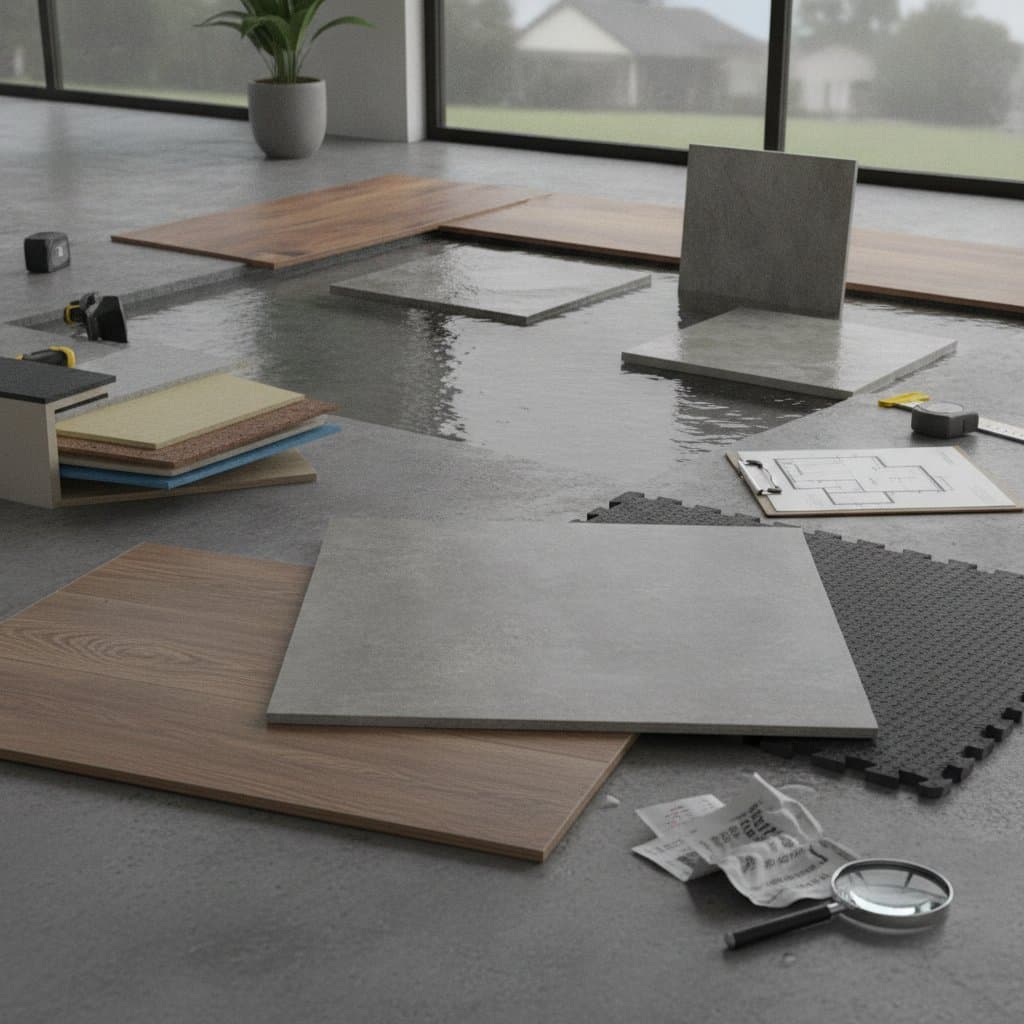
In basements or lower floors, swap gypsum drywall for cement board. Use closed-cell spray foam or rigid foam panels instead of fiberglass batts. Choose tile, vinyl, or stained concrete floors. These materials can be cleaned and dried without tearing out walls or floors later.
8. Protect Mechanical Systems
Raise furnaces, water heaters, and electrical panels above expected flood levels. Use a platform built from treated lumber or concrete block. Label shutoff switches clearly so you can cut power fast if water rises.
9. Test and Inspect
After upgrades, run a garden hose along the base of exterior walls. Check for leaks indoors. Cycle the sump pump again. Confirm the backflow valve moves freely. Keep notes for maintenance.
10. Clean Up and Store Safely
Dispose of old insulation or damp materials per local waste rules. Store sandbags, plastic sheeting, and a wet-dry vacuum where you can reach them quickly.
DIY vs Pro
Safe for DIY
- Surface grading and soil shaping.
- Crack patching and waterproof coating.
- Sump pump testing and minor discharge rerouting.
Hire a Pro
- Installing backflow valves or flood vents that need code approval.
- Electrical or gas system elevation.
- Structural foundation repairs.
What a Pro Does Differently
A contractor can run elevation surveys, file permit documents, and design drainage with exact slope data. They also warranty their work, which helps with insurance compliance.
Maintenance and Prevention
Frequency
Check all systems twice a year, or after major storms.
Tasks
- Clear gutters and downspouts.
- Test the sump pump with water.
- Inspect vent openings and drain paths.
- Reapply waterproof coating every few years.
- Replace worn pump batteries.
Outcome
Water flows away instead of in, and small leaks stay manageable before they turn into floods.
Alternatives
Dry Floodproofing
Seal the building envelope with coatings, shields, and watertight doors. Best for solid masonry homes with shallow flood risk. Adds cost but keeps interiors dry.
Wet Floodproofing
Design lower areas to flood safely with minimal damage. Best for basements or crawl spaces that cannot be sealed completely. Uses flood vents and moisture-tolerant materials.
Elevation
Raise the structure on piers or fill. Effective for severe flood zones. High cost but can cut insurance rates dramatically.
FAQs
How can I tell if my property needs flood upgrades?
If water stands near your foundation after storms or your area sits inside a mapped floodplain, consider upgrades. Local building departments or insurance agents can confirm risk zones.
Do flood vents really help?
Yes. They balance water pressure and prevent wall collapse. They do not keep interiors dry but limit structural damage.
Can I waterproof a basement from inside only?
Interior coatings help small leaks, but exterior drainage and grading protect better. Combine both for lasting results.
Will insurance cover these upgrades?
Usually not. Insurance pays for damage, not prevention. Some local programs or grants may offset costs for mitigation work.
What happens if I do nothing?
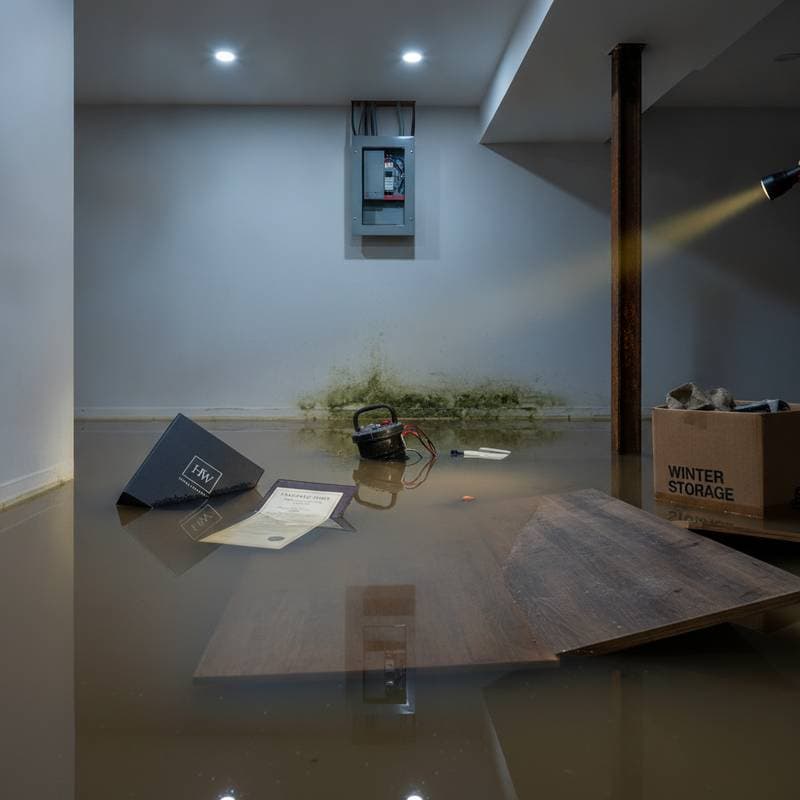
You risk mold, foundation cracks, and costly repairs after each flood. Prevention often costs less than one cleanup.
Taking Action on Flood Protection
Start with inspection and grading since both are low-cost and high-return. Then plan mechanical protection and waterproofing together so systems stay dry. Keep receipts and photos for insurance proof.
If you face frequent flooding, call a licensed contractor familiar with your region soil and code rules. Ask for written scope, warranty, and maintenance plan.
Flood-resilient upgrades pay off every time a storm misses your walls. Even small changes like sealing cracks or clearing drains boost your home defense.