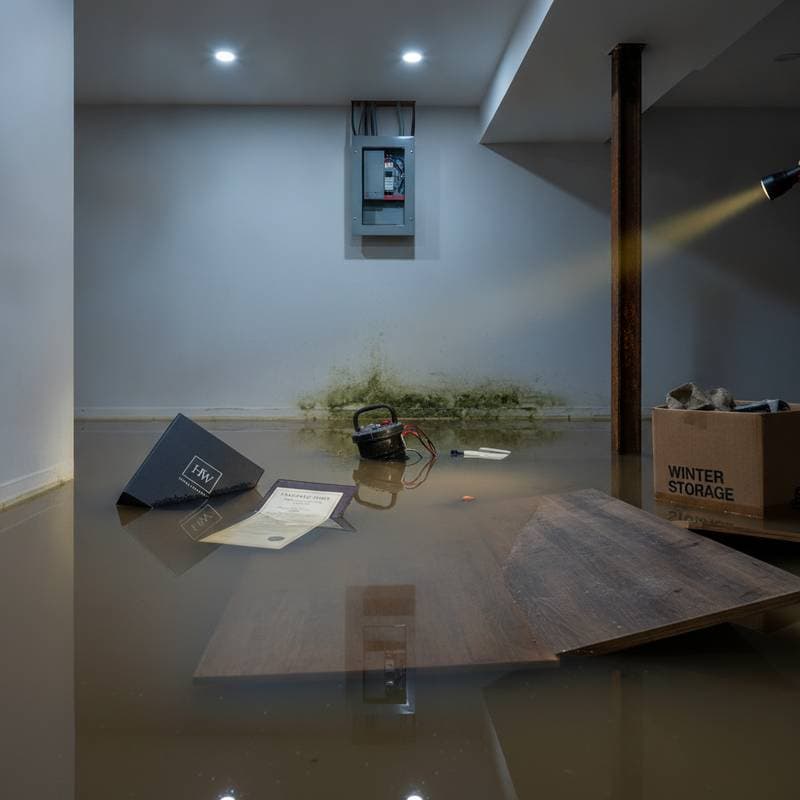
Flood Proofing Essentials
Start by improving site drainage and grading. These foundational steps reduce water accumulation before any larger investments are considered. Proper preparation prevents most common issues and supports the effectiveness of later upgrades.
Benefits and Limitations
Benefits
- Reduces repair expenses following storms or heavy rainfall.
- Decreases insurance claims and may lower future premiums.
- Raises property value in areas prone to flooding.
- Safeguards health by limiting mold growth and contamination risks.
Limitations
- Initial structural work involves significant expense.
- Certain installations require permits and official inspections.
- Older foundations may not accommodate every technique.
- Exterior modifications can alter the appearance of the home.
Core Flood Proofing Steps
Required Tools and Materials
- Shovel, level, and soil compactor.
- Concrete patch, hydraulic cement, and waterproof coating.
- Sump pump equipped with backup power.
- Check valve or backflow preventer.
- Exterior rated caulk suitable for masonry.
- Gravel, perforated pipe, and drainage fabric.
Time and Difficulty
Basic work requires two to four weekends. The project suits moderate to advanced do it yourself skills.
Assess and Adjust Site Grade
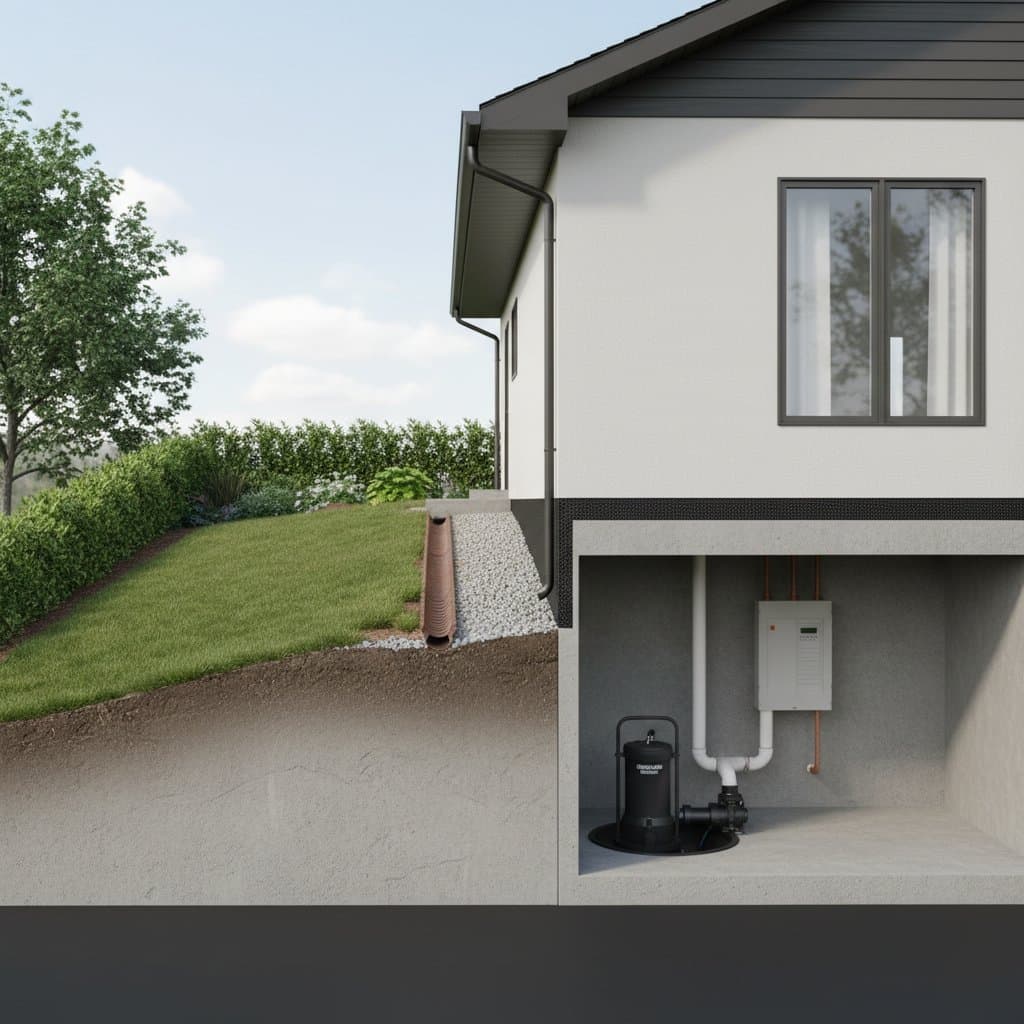
Verify that soil slopes away from the foundation by at least six inches across ten feet. Fill low areas with compacted material to direct water outward. Extend downspouts so discharge occurs at least six feet from walls. Confirm the slope with a string level before placing additional soil.
Repair Foundation Cracks
Clean all fissures thoroughly with a wire brush. Apply hydraulic cement to active leaks and follow with a full waterproof coating on the wall surface. Inside the structure, seal from the floor joint upward twelve inches. Successful repairs show no seepage after subsequent rainfall.
Establish Perimeter Drainage
Install a French drain along the foundation if runoff gathers near walls. Wrap perforated pipe in drainage fabric and maintain a consistent slope toward a dry well or sump basin. Backfill the trench with gravel to promote rapid water movement. Contact utility locate services before any excavation begins.
Incorporate a Sump Pump System
Select a pump rated for the basement square footage. Place the unit in a pit fitted with a secure lid. Add a check valve on the discharge pipe to prevent reverse flow. Test operation monthly by filling the pit with water. A battery or water powered backup maintains function during power interruptions.
Safeguard Utilities and Openings
Elevate electrical outlets, furnaces, and water heaters above expected flood levels. Install watertight or gasketed exterior doors where flooding occurs regularly. Add flood vents in foundation walls to equalize pressure and avoid structural damage.
Enhance Surface Water Management
Lengthen gutters, position splash blocks, and route flow away from driveways. Construct shallow swales that guide runoff to safe discharge points. Clear storm drains of debris on a regular schedule. After heavy rain, inspect the yard for pooling and refine slopes or drainage routes as needed.
When to Use Professional Services
Homeowners can safely handle sealing minor cracks, extending downspouts, adjusting grade, and testing sump pumps. Professional assistance becomes necessary when foundation walls must be cut, persistent seepage continues after sealing, or local codes require inspections for vents and discharge lines. Contractors employ pressure injection for deep cracks, install commercial drainage systems, evaluate soil permeability, and manage all permitting requirements.
Available Protection Approaches
Dry Floodproofing
This method suits homes with solid foundations. It relies on sealants, temporary barriers, and watertight doors to exclude water. Regular post event inspections remain essential.
Wet Floodproofing
This approach works well for garages, crawl spaces, and basements expected to experience water entry. Flood vents, elevated utilities, and moisture resistant finishes limit damage while allowing rapid drying.
Full Structure Elevation
This option fits severe flood zones or extensive remodels. The entire building is raised above projected flood height. Although costly, it provides a permanent solution.
Common Questions
How can homeowners identify the need for flood proofing?
Water stains on basement walls, persistently damp floors, or musty odors after rain indicate potential problems. Similar issues among neighbors often point to inadequate grading or drainage.
Which sealant performs best on concrete walls?
A waterproof masonry coating or elastomeric product rated for hydrostatic pressure provides reliable protection. Standard paint or basic silicone caulk fails under sustained water pressure.
Do flood vents allow water entry?
Vents permit controlled water movement in both directions. This pressure equalization prevents foundation cracking during flood events.
Can landscaping modifications reduce flood risk?
Swales, raised beds, and permeable pavers help direct or absorb runoff. Compacted clay soils placed near the foundation should be avoided.
Are permits required for sump pump installation?
Many jurisdictions mandate permits and inspections to ensure discharge lines do not connect to sewer systems.
Preparation Checklist
- Confirm soil slopes away from the house at least six inches over ten feet.
- Extend all downspouts six feet or farther from the structure.
- Seal foundation cracks with hydraulic cement.
- Install or verify a sump pump that includes backup power.
- Add a backflow valve to the main drain line.
- Raise electrical outlets, heaters, and furnaces above flood level.
- Apply water resistant flooring in basements.
- Maintain clean gutters and storm drains.
- Ensure emergency power supply for all pumps.
- Store valuables above floor level.
Building Long Term Resilience
Begin with straightforward drainage and sealing measures. These initial actions create a solid base that supports any additional systems. Document every improvement for insurance purposes. Persistent flooding warrants consultation with a licensed waterproofing contractor who can conduct drainage tests, evaluate the foundation, and develop a code compliant plan. Consistent maintenance and targeted upgrades protect the structure, contents, and overall peace of mind during heavy rainfall.