Home Hardening Costs for Wildfire Protection in 2026
Home hardening upgrades a property to resist ignition from embers, radiant heat, and direct flame. The process combines building science with careful material selection and ongoing upkeep. Homeowners in high risk areas benefit from knowing precise expenses and realistic outcomes before starting work.
Scope of Home Hardening Upgrades
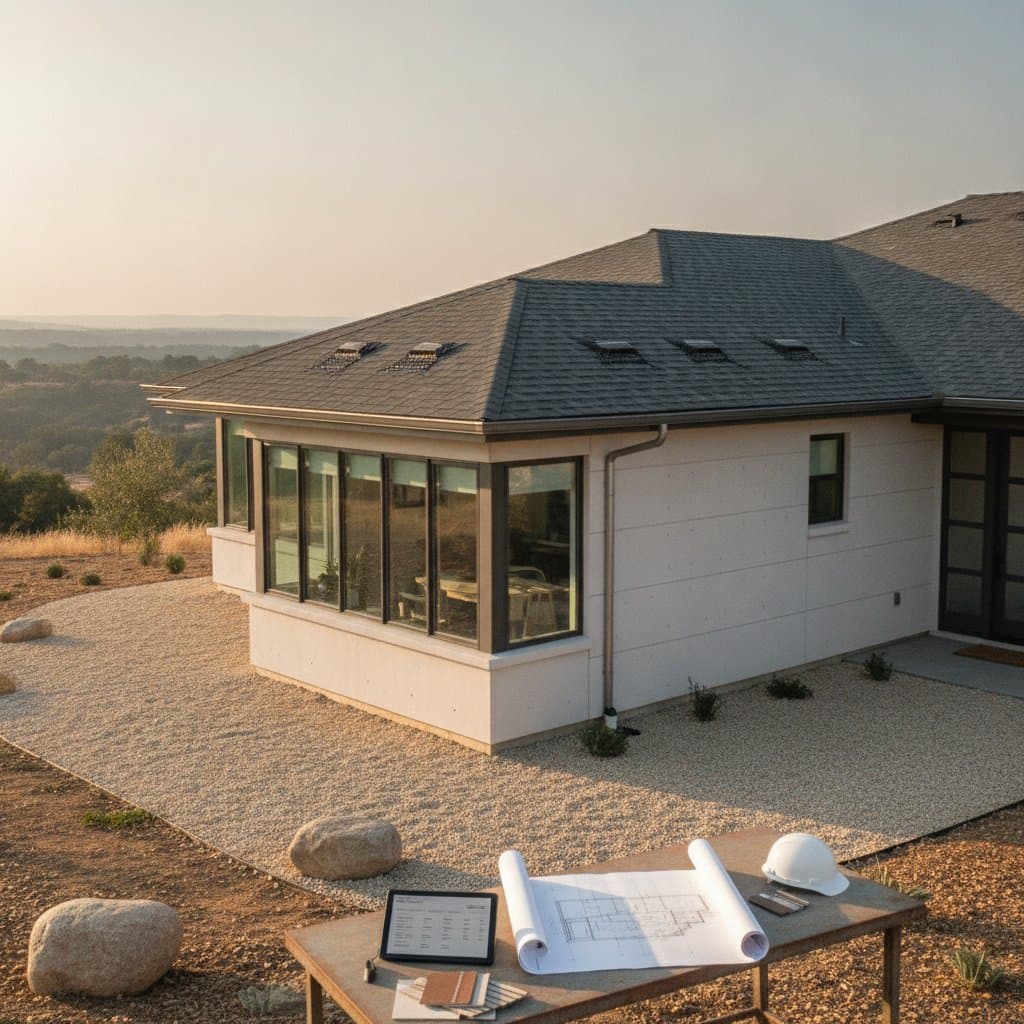
Every exterior element that can ignite requires attention. Roofing, siding, vents, decks, windows, and immediate landscaping all play a role. A complete project typically addresses these areas:
- Class A fire rated roofing installed with sealed edges and underlayment
- Fiber cement or stucco siding fastened over fire resistant sheathing
- Vents fitted with metal mesh that blocks embers
- Dual pane tempered glass windows in fire rated frames
- Enclosed eaves and soffits with no exposed wood
- Defensible space zones cleared of continuous fuel within 30 feet of the house
Each item adds its own material and labor cost while contributing to overall resilience.
Breaking Down Project Costs
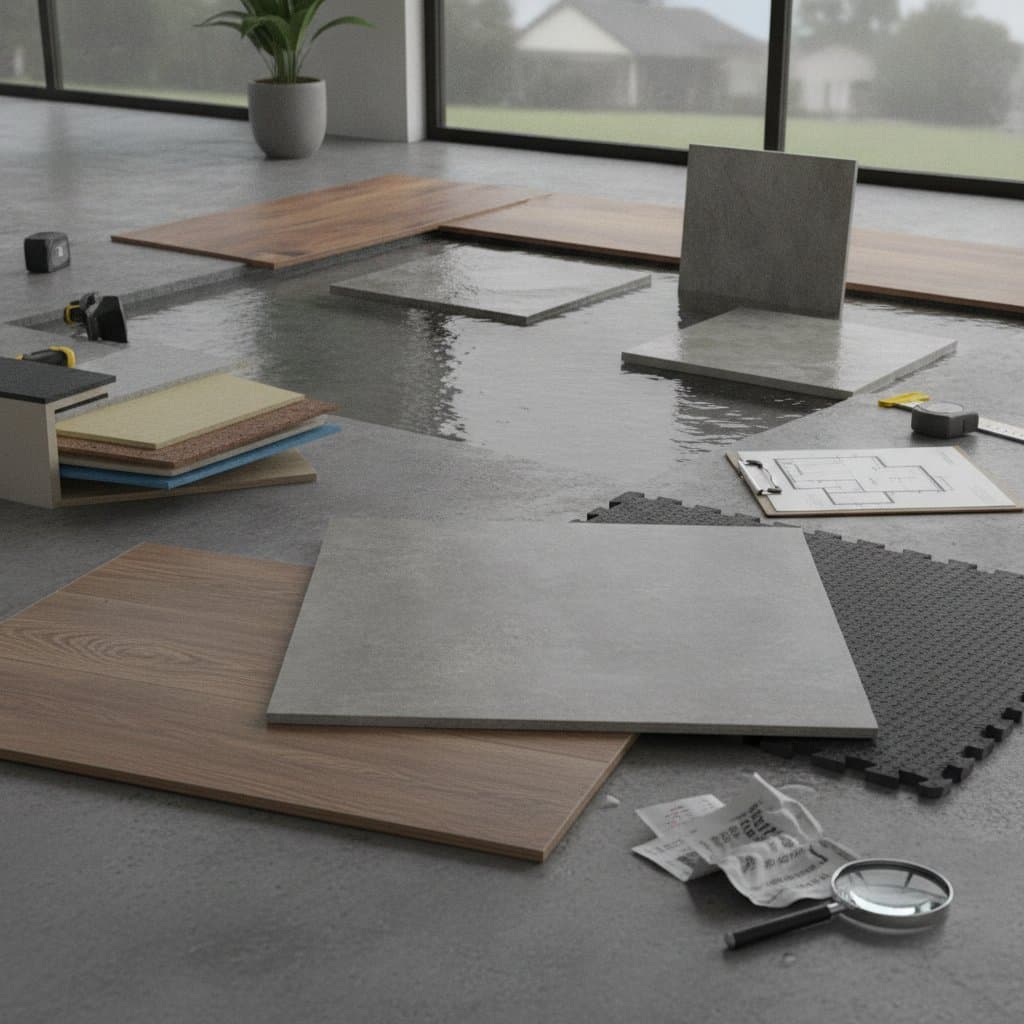
Total expense depends on region, contractor rates, and chosen materials. Base pricing covers the visible work. A standard asphalt roof replaced with a Class A composite system runs 8 to 14 dollars per square foot. Non combustible siding replacement falls between 10 and 18 dollars per square foot.
Additional charges cover permits, debris removal, and any structural fixes. These items usually increase the bill by 10 to 20 percent. Smaller upgrades such as new vents or gutter guards add modest amounts yet deliver critical ember protection.
Insurance rebates and grants often cap reimbursement and exclude premium materials or labor overruns. Older homes may require extra electrical or framing work before new finishes can be installed. Annual inspections, repainting, and vegetation management create recurring expenses that preserve the fire rating over time.
Step by Step Project Sequence
- Schedule an assessment with a licensed contractor experienced in wildfire retrofits.
- Receive a written report that lists vulnerabilities and recommended materials.
- Obtain estimates and confirm insurance pre approval when rebates apply.
- Complete work in logical order, beginning with the roof and exterior openings.
- Establish a maintenance schedule that includes yearly gutter cleaning and vegetation trimming.
Coverage Limits and Frequent Exclusions
Home hardening reduces risk but does not eliminate it. Insurance programs commonly exclude pre existing damage, detached structures, and materials lacking recognized fire ratings. Labor overruns caused by material shortages also fall outside many reimbursement caps. Neglected maintenance that degrades coatings can void future claims.
Evaluating Financial Return
Compare upfront costs against expected insurance discounts and reduced repair needs after minor events. A 10,000 dollar investment in roofing and vents may generate several hundred dollars in annual premium savings. Fiber cement siding lasts longer than wood, lowering lifetime replacement frequency. Track invoices and photographs to support rebate applications and policy adjustments.
Decision Checklist for Homeowners
- Map local wildfire frequency and distance to high risk zones.
- Calculate available funds plus financing or rebate options.
- Confirm fire ratings and warranty terms on every specified product.
- Verify contractor licensing and review recent project references.
- Confirm capacity for yearly maintenance tasks.
Preventing Costly Oversights
Omitting vent upgrades or leaving flammable underlayment in place weakens the entire assembly. Materials labeled fire resistant without third party certification can create insurance disputes later. Contracts must list exact product brands, installation standards, and warranty periods. Detailed documentation protects eligibility for discounts and rebates.
Maintaining Long Term Protection
Physical upgrades work best when paired with disciplined upkeep. Consistent inspections and prompt repairs keep the home at its designed resistance level. This approach protects both safety and property value as wildfire conditions continue to change.