AI Is Denying More Home Warranty Claims
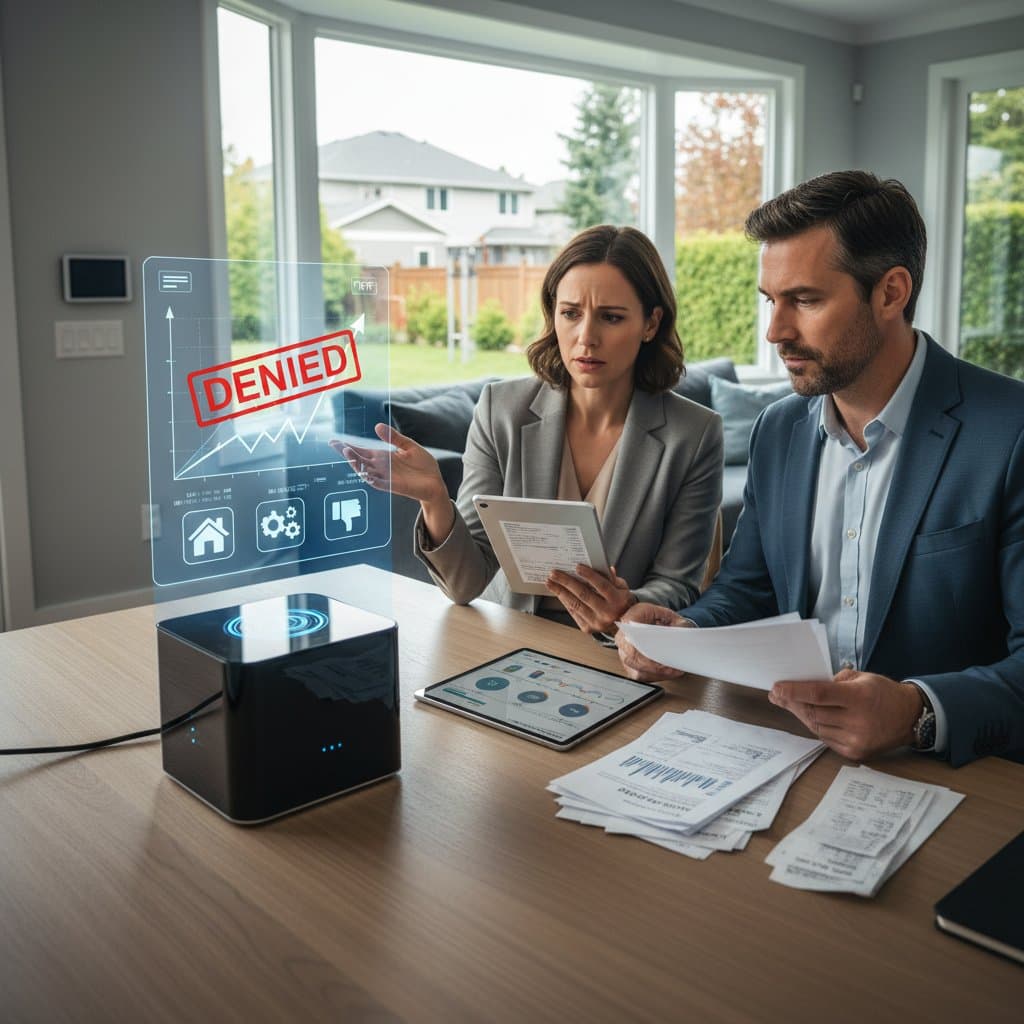
Homeowners face a sharp rise in home warranty claim denials. Companies now rely on automated AI systems to review requests. These tools accelerate processing yet frequently reject claims that human adjusters would approve.
Summary Box
What it is:
Automated claim review uses artificial intelligence to decide warranty approvals or denials.
Why it matters:
Homeowners face faster and more frequent denials along with reduced personal review and more difficult appeal processes.
Typical cost and what changes it:
Denied claims force homeowners to pay full repair or replacement costs. These expenses often range between $300 and $6,000 depending on the system or appliance involved.
When to hire a pro:
Major systems such as HVAC, plumbing, or electrical work warrant professional involvement. The same applies when the warranty company disputes the cause of failure.
How long it takes:
AI systems issue decisions within minutes. Appeals or disputes can extend for weeks.
Maintenance interval:
Review warranty coverage annually. Document maintenance after every service visit.
How Automated Review Operates
AI claim systems scan uploaded service records, technician notes, and photos. They compare this information against policy rules and manufacturer guidelines. The system then calculates the likelihood that failure resulted from normal wear rather than improper maintenance or preexisting conditions.
Main Components of Automated Claim Review
- Data Intake Module: Collects claim details, photos, and service logs.
- Policy Matching Engine: Reads the warranty terms and checks for exclusions.
- Failure Pattern Model: Evaluates whether the damage fits normal wear patterns.
- Decision Dashboard: Issues approval, denial, or requests for more data.
- Appeal or Human Review Queue: Handles customer disputes or flagged cases.
These components enable warranty companies to process thousands of claims quickly. Errors arise when AI misreads technician notes or misclassifies the cause of failure.
Steps to Address a Denied Claim
- Read the denial letter carefully and identify the exact reason code or exclusion cited. Letters often use template codes that correspond to specific policy sections.
- Collect all evidence including maintenance receipts, photos, inspection reports, and technician statements. Keep timestamps and serial numbers visible.
- Request human review by filing a written appeal that asks for a human adjuster to reexamine the claim. Include all documentation again.
- Obtain a licensed contractor report that confirms whether the failure resulted from normal wear. A signed report carries weight in appeals.
- Escalate if needed by contacting the state insurance or consumer protection office. Many states regulate home warranty companies.
- Document every interaction and retain copies of emails, recorded calls, and claim numbers. This record supports formal complaints or small claims filings.
DIY Documentation Versus Professional Assessment
| Factor | DIY Option | Professional Option |
|---|---|---|
| Skill level | Basic documentation and record keeping | Expert understanding of mechanical failure |
| Safety risk | Low | Medium to high for electrical or gas systems |
| Tools required | Camera, file scanner, claim portal access | Diagnostic tools, gauges, and meters |
| Permit or code | None for paperwork | Required for system repair or replacement |
| Time required | 1 to 3 hours for documentation | 1 to 2 days for inspection and reporting |
| Warranty impact | May strengthen claim if organized | Stronger appeal case with certified findings |
Homeowners can manage paperwork and tracking themselves. They should hire licensed contractors for inspection reports or complex system assessments.
Maintenance Requirements and Equipment Lifespan
AI systems rely on maintenance data to verify eligibility. Consistent records for every service visit remain essential.
Maintenance Schedule
- HVAC requires twice yearly cleaning and filter changes.
- Water heaters need annual flushing and anode inspection.
- Plumbing systems benefit from annual leak checks and pressure tests.
- Appliances require coil and seal cleaning every six months.
Lifespan Guidelines
| System | Average Lifespan | Maintenance Impact |
|---|---|---|
| HVAC System | 12 to 15 years | Regular service extends life |
| Water Heater | 8 to 12 years | Sediment flushing prevents early failure |
| Refrigerator | 10 to 15 years | Coil cleaning reduces compressor wear |
| Electrical Panel | 25 to 40 years | Inspection prevents overload and arcing |
Common Questions
Why are more claims being denied?
Warranty companies use AI to reduce costs. The system often misclassifies normal wear as neglect.
Can a homeowner appeal an AI denial?
Yes. A request for human review remains available along with submission of supporting documentation. Response times vary by company.
Does proof of maintenance affect outcomes?
Yes. AI checks for missing service dates and rejects claims that show gaps in records.
How can a homeowner determine whether a warranty uses AI?
Ask the provider whether claim evaluations occur through automation or through human adjusters.
Can legal action follow a wrongful denial?
Yes. Options include small claims court or arbitration according to contract terms.
Do AI systems gain accuracy over time?
They can improve when trained with verified data from human reviewed claims.
Will a contractor report strengthen an appeal?
A licensed contractor report can overturn many machine based denials.
Protecting Coverage Moving Forward
Maintain detailed service records throughout the year. Request human review promptly after any denial. Consult licensed professionals when major systems are involved. These actions help secure valid claims under automated review processes.