2026 Insurance Changes Require Basement Flood Protection Systems
Homeowners with basements face new insurance requirements beginning in 2026. Insurers will deny coverage for below grade water damage unless approved protection systems are installed and documented. These measures address hydrostatic pressure and surface water that commonly affect foundations.
Key Requirements at a Glance
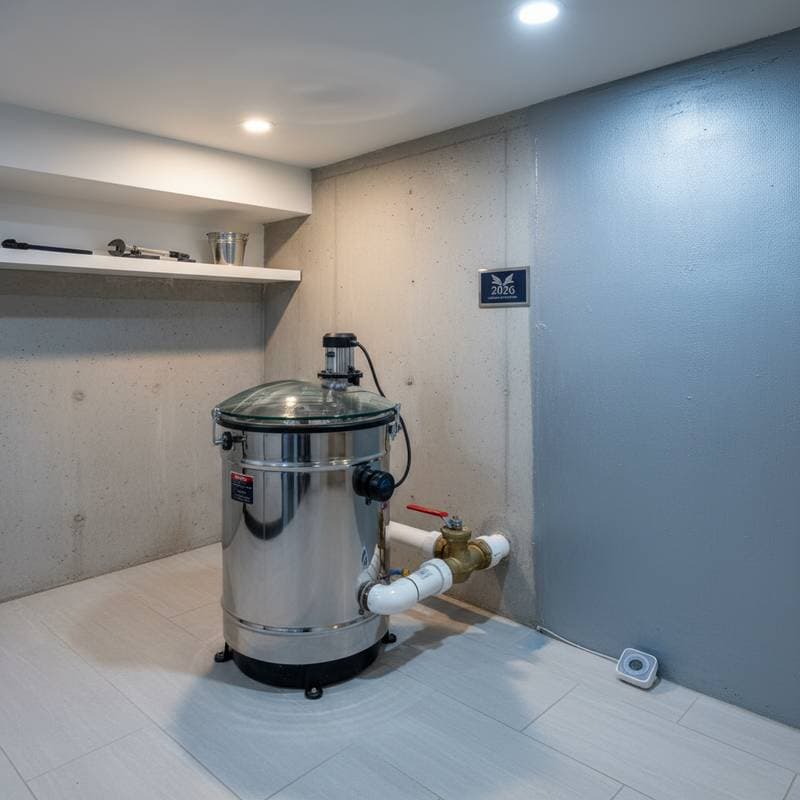
- Install a verified sump pump with battery or generator backup as the minimum standard.
- Add backwater valves in areas prone to sewer backup.
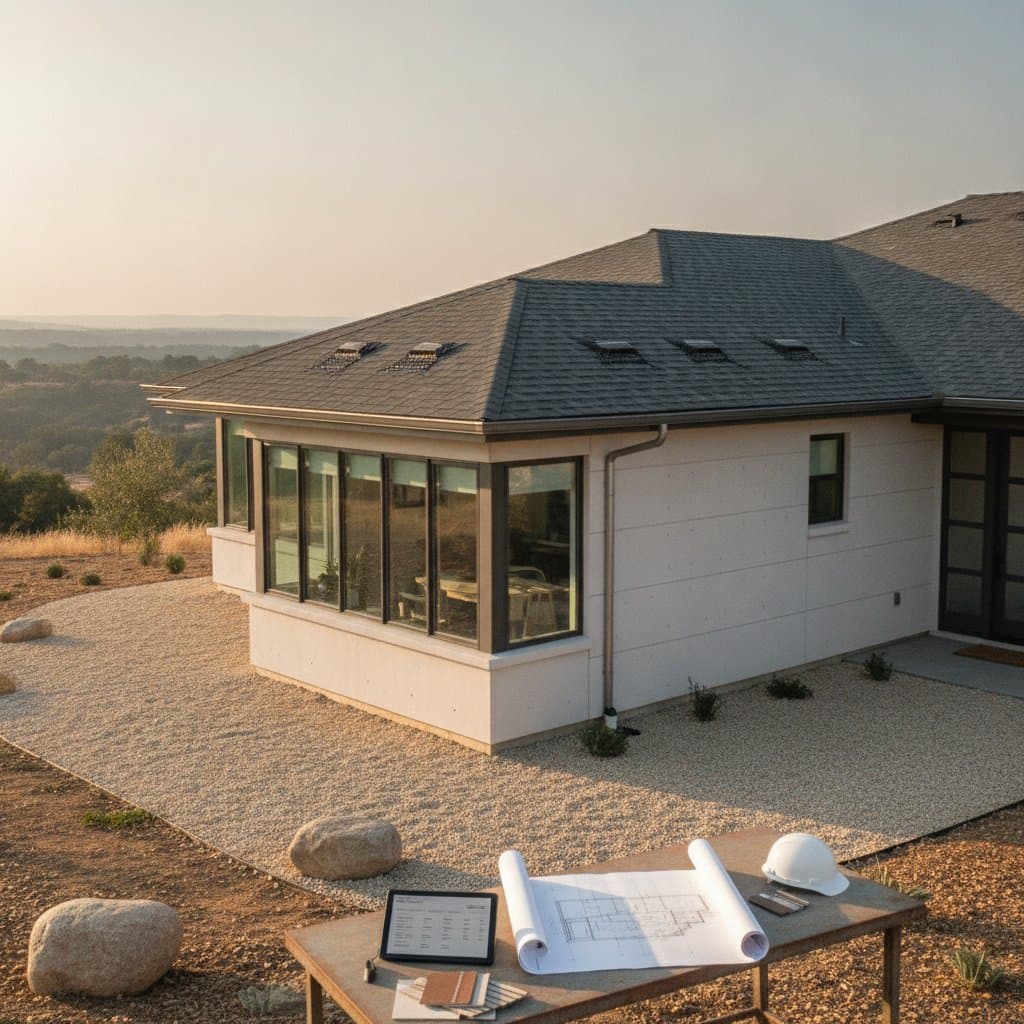
- Apply exterior grading, gutters, and waterproof membranes to divert water.
- Obtain permits and professional inspections before walls are closed.
- Schedule quarterly pump tests and annual professional service.
How Basement Flood Protection Functions
A basement lies below ground level and therefore encounters constant water pressure from surrounding soil. Effective systems manage this risk through three coordinated steps. First, grading and roof drainage move water away from the foundation. Second, perimeter drains or interior channels collect any remaining moisture. Third, a sump pump removes collected water to a safe discharge point.
Insurance standards emphasize the final two steps. A properly sized pump with backup power now qualifies as the baseline for coverage.
Warning Signs That Require Immediate Attention
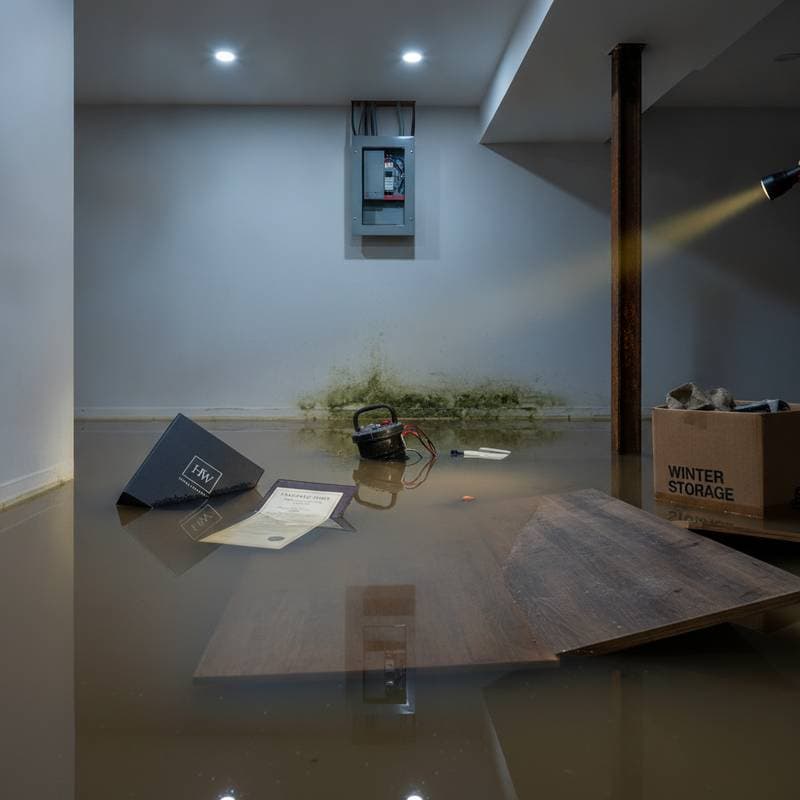
Visible moisture on walls or floors signals an existing problem. Musty odors after rainfall often indicate hidden seepage. Foundation cracks allow water entry and should be sealed during system installation. Frequent pump cycling or outright failure shows the current equipment cannot handle local conditions. Standing water near the house after storms points to inadequate grading.
Small leaks today can lead to denied claims once the new rules apply.
Cost Breakdown and Influencing Factors
| Line Item | Typical Range | Key Variables |
|---|---|---|
| Sump pump with basin | $900 to $2,500 | Capacity and material quality |
| Interior drain tile | $3,000 to $8,000 | Basement size and access |
| Backwater valve | $600 to $1,200 | Plumbing permit requirements |
| Waterproof membrane | $2,000 to $6,000 | Wall surface area |
| Battery backup system | $500 to $1,200 | Runtime and monitoring features |
National averages fall between $5,000 and $8,000. Clay soils and high groundwater tables increase both excavation depth and pump strength needs.
Installation Safety and Local Code Compliance
Basement work involves electrical connections and confined spaces. Use GFCI protection on all outlets. Keep cords away from wet surfaces. Shut off power before any wiring. Follow municipal rules for discharge distance and storm drain connections. Many jurisdictions require an inspection before backfilling or finishing walls.
Regional Installation Considerations
Cold climates demand buried discharge lines below the frost line. Coastal or high water table areas benefit from dual pumps and sealed basins. Dry regions can rely more on grading improvements than mechanical systems. Mixed humid zones require vapor barriers plus dehumidification to control condensation.
Local plumbing codes dictate minimum pump capacity and approved discharge methods. PVC piping resists corrosion in damp environments while cast iron pumps tolerate continuous operation.
Recommended Timeline and Next Steps
Schedule a professional inspection during dry months to avoid excavation delays. Collect all permits, receipts, and photographs for insurance records. Address any existing dampness or pump issues before policy renewal. Early compliance preserves coverage and protects property value.
Common Questions About the New Rules
Only homes with below grade living or storage space fall under the initial requirement. Current policies will lose water damage coverage without compliant systems after the effective date. Existing sump pumps require inspection and possible upgrades for capacity or backup power. Backwater valves are mandatory in most municipalities where sewer surcharge occurs. Homeowner policies rarely reimburse installation costs, although some carriers offer premium discounts for verified systems. Test pumps quarterly by adding water to the basin and confirming discharge. Submersible cast iron models with battery backup provide the highest reliability.