Understanding Total Costs for Solar and Battery Systems
Homeowners increasingly view solar panel and battery storage systems as financial assets rather than simple upgrades. Success depends on grasping cost structures, service terms, and realistic savings potential. This analysis examines the components that shape return on investment and long term performance.
Core Components of a Home Solar Setup
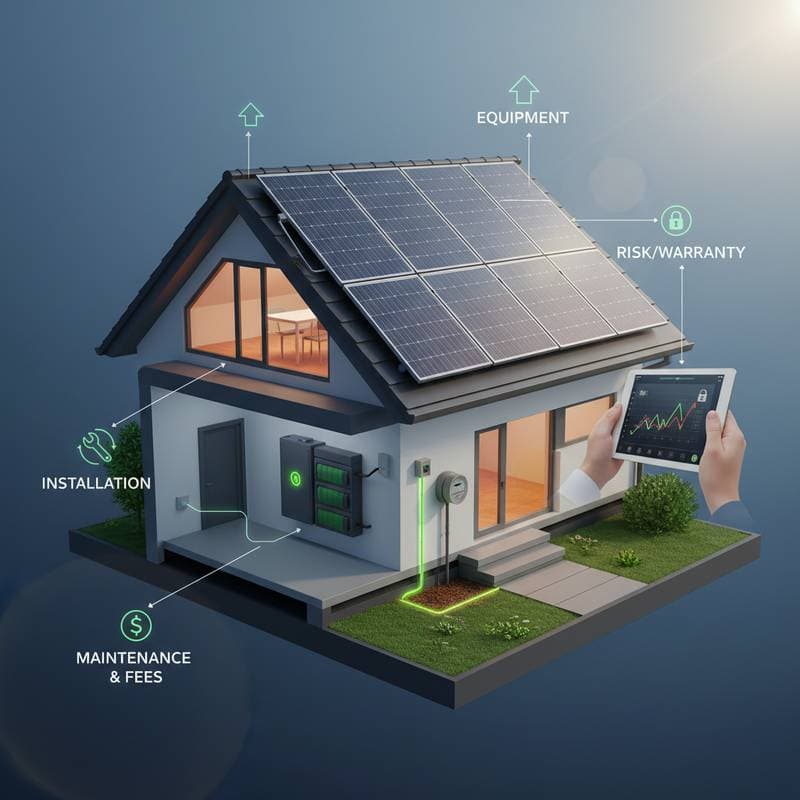
A typical residential system consists of three primary elements. Solar panels capture sunlight and generate electricity. Inverters convert that electricity into a form suitable for household use. Battery storage captures surplus power for periods when sunlight is unavailable. Providers commonly bundle these items, yet each carries distinct pricing and upkeep demands.
Quotes generally cover system design, permitting, physical installation, and initial inspections. Some packages add performance monitoring or extended warranties. These additions vary by provider and directly affect both initial outlay and recurring expenses.
Breaking Down the Expenses
Accurate budgeting requires separating each cost category. The following elements appear in most proposals.
-
Base Equipment Costs
Panels represent roughly half the system price. Battery units often cost as much as the panels themselves when sized for whole home backup. -
Installation and Labor
Skilled labor handles mounting, wiring, and testing. Regional labor rates fluctuate, and complex roof structures or outdated electrical panels increase charges. -
Permitting and Inspection Fees
Local governments impose varying requirements. Grid interconnection fees can add several hundred dollars that initial estimates sometimes omit. -
Service Fees and Monitoring
Remote monitoring subscriptions may be included or billed separately each year. These ongoing costs belong in any multi year projection. -
Maintenance and Repair Costs
Panels need little attention, yet batteries typically require replacement within ten years. Warranties seldom cover full replacement value.
Representative Pricing Ranges
| Coverage Level | Monthly Cost | Service Fee | Coverage Limits | Key Exclusions |
|---|---|---|---|---|
| Basic Solar Package | 80 to 120 | 100 | Up to 5 kW system | No battery storage |
| Mid Range System | 120 to 180 | 150 | Up to 8 kW system | Limited performance warranty |
| Full Solar + Battery | 180 to 250 | 200 | Up to 12 kW with 10 kWh storage | Battery replacement not fully covered |
These figures exclude tax credits. They provide a baseline for comparing proposals that may otherwise appear inconsistent.
Installation Sequence
A structured process reduces miscommunication and unexpected charges.
-
Initial Contact
Begin with a site assessment that reviews roof condition, shading, and electrical capacity. -
Assessment Phase
The installer prepares a design and a financial projection that compares projected savings against total cost. -
Approval Process
Permits are submitted and utility approval is secured. Backlogs at utilities can extend timelines. -
Service Delivery
Installation usually requires one to three days. Obtain final inspection documents and warranty paperwork before releasing final payment. -
Follow Up Requirements
Register the system for warranty coverage and configure monitoring applications. Periodic performance checks identify issues early.
Contract Limitations and Hidden Clauses
Fine print often shifts responsibility to the homeowner. Common exclusions include pre existing electrical deficiencies, roof repairs, gradual battery capacity loss, weather damage covered only by homeowner insurance, and limited liability for monitoring software failures.
Financial Implications and Long Term Analysis
Ownership costs continue after installation day. Factor in inverter replacement, monitoring subscriptions, and battery degradation when projecting net savings. Compare energy bill reductions, net metering credits, and residual equipment value.
Break even calculations should incorporate upfront investment after incentives, recurring service fees, utility savings, and future replacement expenses. Lease arrangements reduce initial cash outlay yet may restrict ownership benefits. Loan financing grants asset control but adds interest that lowers overall return. Review repayment schedules carefully before signing.
Selecting a Qualified Installer
Installer reliability matters as much as equipment quality. Confirm state licensing, verify that the installer honors warranties directly, examine independent customer reviews, and assess the company financial stability to ensure long term warranty support remains available.
Request itemized quotes that list labor, equipment, and administrative charges separately. This detail enables precise comparisons across providers.
Steps to Safeguard Your Purchase
Protective actions before signing reduce later disputes.
- Obtain three independent bids.
- Request complete warranty copies in advance.
- Verify that model numbers in the contract match quoted equipment.
- Retain written records of every approval and communication.
- Consult state consumer protection resources for renewable energy contracts.
Building Lasting Value from Your System
Solar and battery investments produce stable returns when costs are controlled and performance is monitored. Calculate lifetime value rather than focusing solely on payback period. Review output monthly and address minor issues promptly. With disciplined oversight the system supports both energy independence and household budget stability over many years.