Reduce Water Bills by 25 to 40 Percent with Greywater Systems
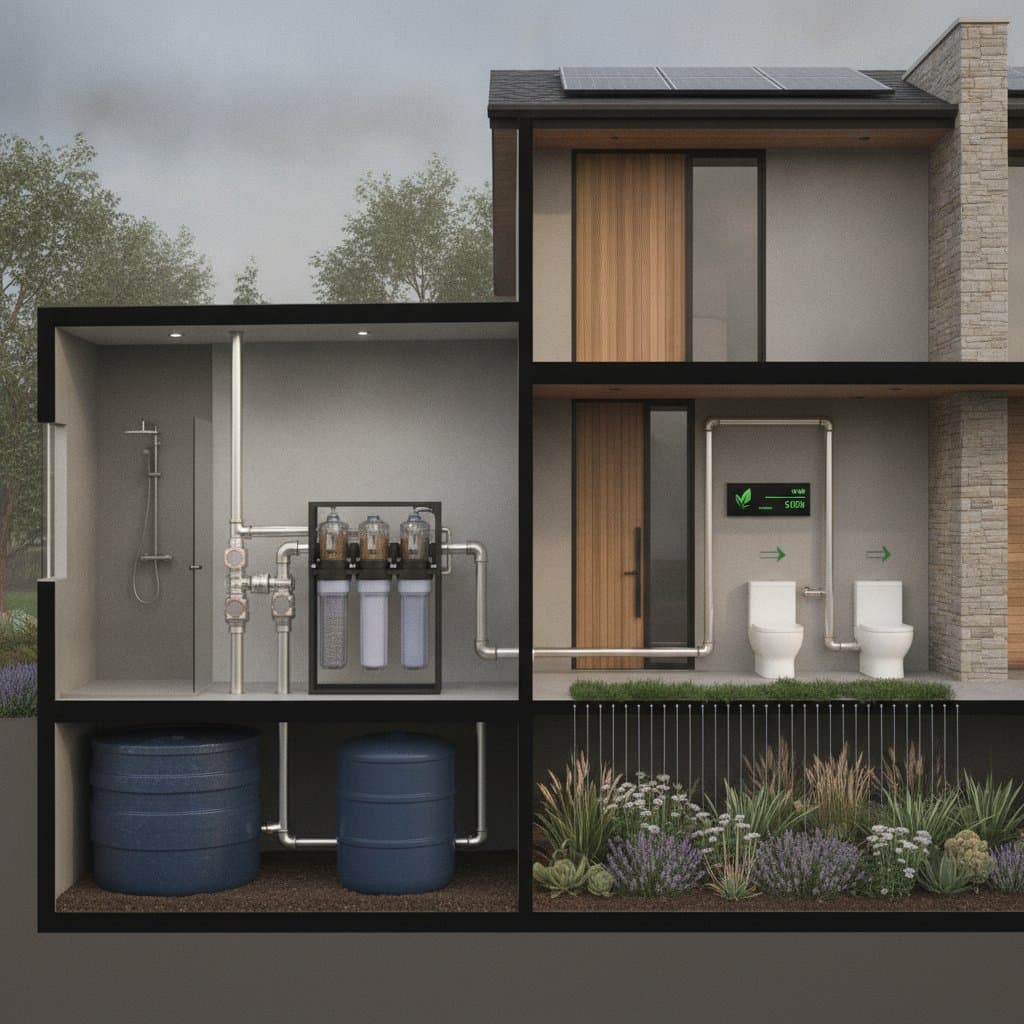
Homeowners who seek to lower utility expenses and enhance environmental sustainability increasingly adopt greywater systems. These systems collect water from sources such as sinks, showers, and laundry appliances, treat it, and redirect it for uses like irrigation or toilet flushing. As water rates rise and drought restrictions become more stringent, implementing greywater recycling at home delivers substantial financial savings and eases pressure on municipal water resources.
Understanding Greywater Systems and Ideal Applications
A greywater system redirects water that has not come into contact with human waste. The process involves filtration and temporary storage for non-drinking purposes. Primary uses include landscape irrigation, toilet replenishment, and exterior surface cleaning. Residences with expansive yards, multiple occupants, or aging plumbing infrastructure experience the greatest advantages. Properties connected to metered municipal water supplies achieve quicker return on investment compared to those relying on private wells.
Installation proves most efficient during home renovations or construction of new dwellings, although retrofit options remain available. These systems suit locations where regulations permit water reuse and where soil conditions support adequate drainage.
Advantages, Drawbacks, and Suitable Scenarios
Advantages
- Decreases overall household water consumption by 25 to 40 percent
- Reduces monthly charges for water and sewage services
- Alleviates burden on septic systems
- Supports achievement of green building certifications or drought mitigation requirements
Drawbacks
- Upfront expenses for installation and permits may prove substantial
- Filters require consistent cleaning
- Poorly engineered designs risk blockages or unpleasant smells
- Certain jurisdictions prohibit indoor applications
Suitable Scenarios
- Residences featuring dedicated drain lines for greywater diversion
- Areas characterized by elevated water tariffs or restrictions on outdoor watering
- Households prepared to perform routine maintenance tasks
Detailed Cost Analysis and Influencing Factors
A standard greywater system installation ranges from 1,800 to 6,500 dollars, varying by size and intricacy. Basic do-it-yourself configurations for limited garden watering might total less than 1,000 dollars. Comprehensive home-wide setups incorporating automated features could exceed 8,000 dollars.
| Scope Item | Material Cost Range | Labor Cost Range | Total Range | Notes on Drivers |
|---|---|---|---|---|
| Basic laundry-to-landscape kit | 300 - 600 | 400 - 800 | 700 - 1,400 | Manual diverter, no storage tank |
| Mid-range system with filter and tank | 900 - 1,800 | 1,000 - 2,000 | 1,900 - 3,800 | Suitable for irrigation and toilets |
| Whole-house automated system | 2,000 - 3,500 | 2,500 - 5,000 | 4,500 - 8,500 | Includes controls, sensors, pump, and inspections |
Three Key Factors Influencing Costs
- Material Quality: Options like plastic tanks and PVC piping incur lower costs than stainless steel or fiberglass alternatives.
- Labor Demands: Modifying existing plumbing in older structures or beneath concrete slabs extends required labor time.
- Site-Specific Challenges: Confined access areas or extended piping distances elevate both time and component needs.
Installation Process: A Step-by-Step Guide
Prepare by gathering safety equipment, including gloves, protective eyewear, and a respirator for any pipe-cutting activities. Disconnect power to any pumps and shut off relevant water valves prior to beginning.
- Examine Drain Lines: Locate eligible greywater sources, such as showers and washing machines. Exclude kitchen sinks and dishwashers to avoid contamination from grease or food residues that could impair filtration.
- Design Pipe Pathways: Maintain a minimum slope of 2 percent to facilitate gravity-assisted flow.
- Incorporate a Diverter Valve: Position this component to enable seamless switching between standard sewage routing and greywater diversion.
- Integrate Filtration Components: Install a primary screen to trap debris like lint and hair; advanced setups may employ sand beds or replaceable cartridges.
- Establish Storage Capacity: Select opaque, well-ventilated tanks and affix clear "Non-Potable Water" labels.
- Link Pumps and Distribution Networks: Employ drip lines or buried emitters to minimize surface evaporation and runoff.
- Conduct Testing and Verification: Inspect for leaks, confirm flow rates, and verify valve functionality prior to backfilling any excavations.
An individual with weekend availability can complete a modest exterior system in 10 to 12 hours. Professional plumbers typically require two to four days for full-home implementations.
Essential Safety, Regulatory, and Protection Considerations
Greywater applications demand adherence to local plumbing and public health regulations. Secure necessary permits and schedule inspections in most jurisdictions. Ensure tanks seal tightly to deter insect proliferation. Maintain at least a 5-foot buffer between greywater lines and drinking water pipes, and apply prominent labeling to all conduits. Indoor deployment without adequate treatment risks invalidating warranties on household appliances.
Connect any electric pumps to ground-fault circuit interrupter outlets. Equip exterior piping with backflow preventers to safeguard the primary water system from pollutants. Verify municipal guidelines, which often mandate subsurface delivery for irrigation purposes.
Common Pitfalls and Prevention Strategies
- Incorporating kitchen wastewater into the greywater stream.
- Allowing stored water to stagnate beyond 24 hours, fostering bacterial growth and odors.
- Permitting filter blockages, which strain and damage pumps.
- Overlooking insulation against freezing in cooler climates.
- Operating without obtaining required local approvals and inspections.
Ongoing Maintenance Routine and Expected Durability
Initial Post-Installation Phase: Perform weekly filter flushes during the first month to remove residual particulates.
Seasonal Tasks: Empty tanks ahead of winter to prevent freeze damage.
Yearly Inspections: Swap out filter elements and examine valves for scale accumulation.
Properly maintained systems endure 10 to 15 years. Pumps generally require renewal every 5 to 7 years, contingent on usage intensity. Periodically renew insulation or seals on aging pipes.
Deciding Between Professional Installation and Self-Assembly
Evaluate readiness using these DIY Assessment Criteria:
- Technical Proficiency: Familiarity with PVC cutting, gluing, blueprint interpretation, and joint sealing.
- Risk Assessment: Minimal hazards for outdoor watering systems; elevated concerns for indoor integrations.
- Equipment Access: Possession of tools like pipe cutters, digging implements, and fundamental electrical supplies.
Self-assembly suits simple laundry diversion to gardens or basic irrigation. Engage licensed professionals for toilet connections, main drain integrations, or smart automation features. Errors in gradient or valve configuration may lead to overflows or cross-contamination.
Contractor Comparison Overview
| Line Item | Spec or Scope | Contractor A | Contractor B | Contractor C | Variance Notes |
|---|---|---|---|---|---|
| 200-gallon tank install | Polyethylene, buried | 2,300 | 2,500 | 2,150 | B lower labor rate |
| Filter kit and pump | 3-stage, 1 HP | 1,200 | 1,350 | 1,100 | Pump brands differ |
| Control system | Smart valve set | 1,000 | 1,100 | 950 | Software features vary |
Compare proposals based on detailed scopes rather than total figures. Request documentation of warranties and regulatory compliance.
Advancing Toward Greywater Adoption
To proceed, consult local building authorities for permit specifics and explore certified installers through professional associations. Calculate potential savings using your utility statements and household water profile. By integrating a greywater system, homeowners not only trim expenses but also contribute to water conservation efforts, fostering long-term resilience against scarcity.