Quick Take
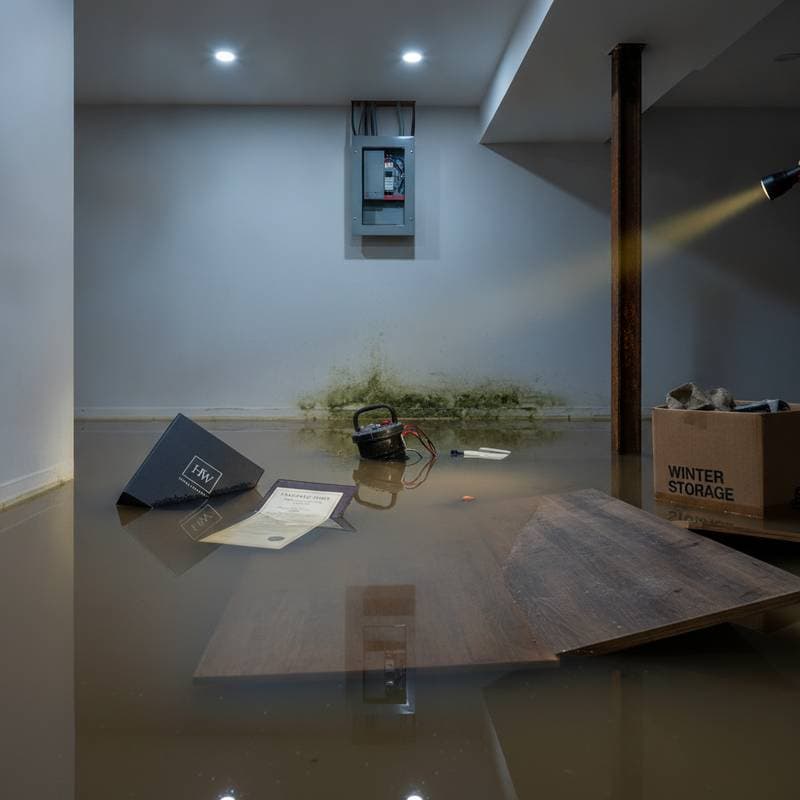
Mold coverage under home warranties continues to tighten. Most standard plans still exclude mold, yet new rules require clearer disclosure from providers. Some companies now offer limited mold add-ons that carry strict caps on payouts. Prevention and maintenance records matter as much as the policy language itself when a claim is filed.
Pros and Cons
Pros
- Coverage can offset cleanup costs when mold results directly from a leak in a covered system.
- Selected plans now include mold testing or limited remediation services.
- The rules encourage regular inspections and prompt response to water intrusion.
Cons
- Mold caused by neglect, high humidity, or gradual leaks remains excluded in nearly all contracts.
- Coverage caps are typically low and rarely cover complete remediation.
- Claims often require documented proof of maintenance or prior inspections.
Step-by-Step: Filing a Mold-Related Home Warranty Claim
Tools and Materials
- Camera or phone for photos
- Moisture meter
- Flashlight
- Plastic sheeting and gloves for containment
- Copy of your warranty contract
Time: 1 to 2 hours to document and file
Difficulty: Moderate
-
Find and Stop the Source
Shut off water or power to the affected system. Dry the area with fans or a dehumidifier. Do not begin cleaning mold until full documentation is complete. -
Document Everything
Capture clear photographs of mold spots, damaged materials, and the suspected source. Record dates of discovery and every step taken to limit further damage. -
Check Your Contract
Review mold exclusions and covered causes. Most warranties reimburse only when mold stems from a covered system failure. -
Call the Warranty Provider
Report the issue by describing the source rather than the mold alone. The company will determine whether the underlying failure qualifies for coverage. -
Schedule the Technician
The warranty company dispatches an approved contractor. The technician confirms the source and submits findings. -
Review the Report
If the mold originates from a covered failure, partial reimbursement for cleanup may apply. Otherwise a separate remediation contractor is required. -
Fix, Then Prevent
After repairs finish, operate a dehumidifier, seal leaks, and maintain airflow to reduce recurrence risk.
DIY vs Pro
Safe for DIY if:
- Mold covers less than 10 square feet
- Protective gear including gloves, mask, and goggles is available
- The source is surface moisture rather than a pipe or HVAC leak
Hire a pro when:
- Mold is widespread or hidden behind walls
- Musty odors exist but the source cannot be located
- The job requires cutting drywall or cleaning ducts
What the pro will do differently:
A licensed contractor tests air quality, isolates the work area, removes contaminated materials, and sanitizes surfaces with approved biocides. Documentation of the entire process supports warranty or insurance claims.
Alternatives
1. Standalone Mold Insurance
Best suited to high-humidity regions. This policy covers testing, removal, and sometimes temporary relocation costs. Premiums are higher, yet protection extends further than most warranty add-ons.
2. Homeowners Insurance Endorsement
Adds limited mold coverage to the primary policy. The endorsement applies when mold follows a sudden, covered peril such as a burst pipe.
3. Preventive Home Maintenance Plan
Inspection subscriptions from service companies include moisture checks and air testing. These plans help avoid claims by catching problems early.
Checklist: Protect Your Warranty and Home from Mold
- Inspect plumbing joints and shutoff valves monthly.
- Replace worn caulk around tubs and windows.
- Keep indoor humidity below 50 percent.
- Clean HVAC drip pans and condensate lines.
- Store documents and receipts for every repair.
- Read mold exclusions in the warranty before signing.
- Report leaks to the provider immediately.
Sustaining a Mold-Free Home
Act quickly when moisture appears. Mold spreads rapidly, and coverage decisions hinge on timing and documentation. Keep the contract accessible and understand which causes qualify for reimbursement. When a plan excludes mold, evaluate an add-on or separate policy. Pair that protection with routine inspections, proper airflow, and complete maintenance records. Clear documentation and swift response strengthen any future claim.