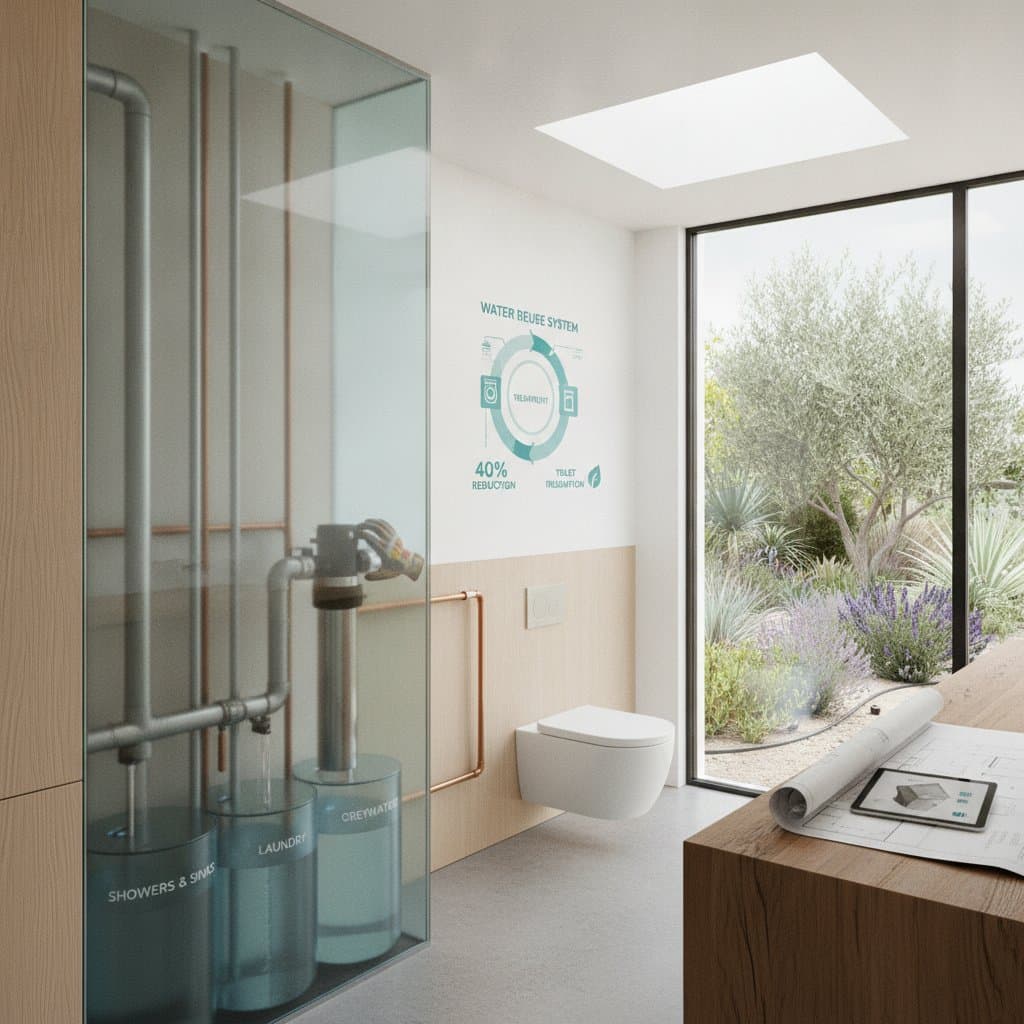
Greywater Systems: Reuse Water Sustainably at Home
Homeowners seeking lower water bills and reduced demand on municipal supplies often install greywater systems. Greywater consists of wastewater from sinks, showers, tubs, and washing machines. It excludes toilet waste and kitchen disposal output. Once filtered, this water supports garden irrigation and toilet flushing.
Advantages and Limitations
These systems deliver several practical benefits. They reduce municipal water consumption by 25 to 40 percent. They also lighten loads on septic tanks and sewer lines while supplying irrigation during local watering restrictions. Payback periods typically range from five to ten years based on regional water rates.
Limitations include initial plumbing expenses and permit costs. Systems require routine filter cleaning and seasonal inspections. Some jurisdictions or soil conditions prohibit installation.
Greywater reuse suits homes with accessible plumbing, moderate yard size, and dry periods that increase irrigation demand. Properties on septic systems gain extra value because reuse decreases tank volume.
Installation Steps
Proper safety equipment includes gloves, safety glasses, a dust mask, and hearing protection during pipe cutting.
- Verify local codes and obtain required permits. Most areas mandate plumbing or environmental approval for connections to house drains.
- Identify water sources and reuse locations. Separate greywater lines from blackwater pipes.
- Fit diverter valves to switch flow between sewer and irrigation routes. Position valves for easy access.
- Add filtration or settling tanks. Mesh screens or sand traps capture hair and lint. Include clean-out ports on tanks.
- Place irrigation lines. Use 1-inch PVC or polyethylene tubing buried at least 4 inches deep. Install air gaps or check valves to block backflow.
- Test the completed layout. Begin with clean water to confirm leak-free operation and correct flow.
- Label all lines and valves clearly for future service.
A basic gravity system can be completed in one day by an experienced homeowner. Pumped or filtered versions usually require one to three days from a licensed plumber.
Common Errors
Avoid routing kitchen sink water into the system. Grease and food particles clog filters and breach most regulations. Prevent overwatering by adding moisture sensors or timers. Even small setups need lint traps. Do not store greywater for extended periods because stagnation produces odors and blockages. Select biodegradable, low-salt detergents to protect soil and plants.
Professional Installation Versus DIY
Homeowners may handle the work themselves when they possess basic pipe-fitting skills, can maintain proper slopes, and face low safety risks in a gravity-fed layout. Standard tools plus a drill and shovel suffice for simple projects.
Professional installation becomes necessary when pumps, multiple fixtures, or finished-wall routing are involved. Permits and inspections also favor hiring a licensed plumber to ensure compliance.
Cost Comparison
| System component | Typical scope | Contractor A | Contractor B | Contractor C |
|---|---|---|---|---|
| Gravity irrigation | Basic diverter and lines | 1800 | 2100 | 1950 |
| Tank with pump | 100-gallon unit | 3200 | 3800 | 3500 |
| Dual filtration | Mesh and carbon | 600 | 750 | 720 |
| Permits | Plumbing and health review | 350 | 450 | 400 |
Preparation Requirements
Required tools include a pipe cutter, adjustable wrench, drill, and shovel. Necessary skills cover pipe assembly, slope calculation, and basic wiring for pump models. Safety items comprise gloves, eye protection, and a dust mask. Permits cover plumbing and environmental health reviews. Site preparation involves mapping fixtures, selecting salt-tolerant plants, and planning routes with adequate fall. Frozen ground or steep slopes may delay work.
Next Actions
A laundry-to-landscape setup offers a low-risk starting point. Monitor performance and maintenance needs for several months before scaling up. Full-house projects benefit from early consultation with a licensed plumber and code verification. Careful design yields lower utility costs, reduced septic strain, and reliable landscape watering from recycled household water.