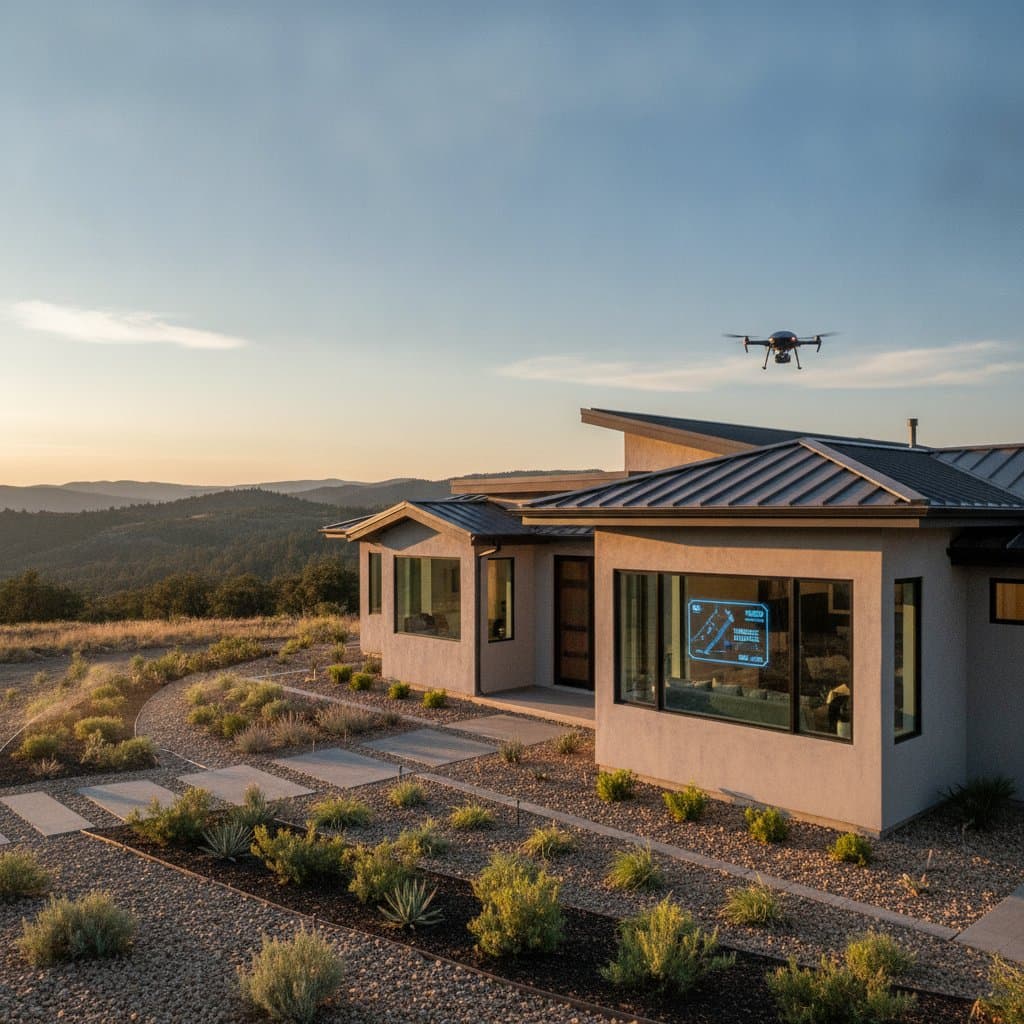
Protect Your Home from Floods with 2026 Climate Upgrades
Flooding ranks among the costliest risks to residential properties. Rising water levels, intense rainfall, and aging infrastructure create ongoing challenges for homeowners. Traditional prevention methods no longer ensure safety as climate patterns change. A systematic approach that combines physical upgrades, financial planning, and contract review prepares properties for future extremes.
Understanding Modern Flood Risk
Flood exposure extends beyond homes near rivers or coasts. Urban drainage failures, poor grading, and saturated soil allow water intrusion in areas once viewed as low risk. Repeated minor events can undermine foundations and trigger persistent mold growth. Property owners should evaluate elevation, drainage routes, and material durability as the first step in a protection plan.
Professional assessments cover soil testing, foundation checks, and watershed review. These steps identify needs for sump pumps, grading adjustments, or backflow valves. Contractors must supply written records that detail work scope, expected results, and upkeep requirements.
Cost Structure and Financial Planning
Flood protection projects include several cost layers. Homeowners pay for installation, inspections, ongoing maintenance, and possible insurance changes. Breaking down each component prevents budget shortfalls.
Base pricing covers materials such as drainage pipes, waterproof membranes, and sump units. Extra charges often appear for excavation, wiring, or landscape repair. Insurance caps may limit payouts, leaving homeowners responsible for excess amounts. Pre existing conditions missed during inspection can also generate unexpected expenses.
Compare long term upgrade costs against potential flood losses. One major event frequently offsets the initial investment. Some owners use home equity lines or green improvement loans that carry reduced rates for resilience work.
How the Flood Protection Process Works
Flood mitigation follows coordinated stages that require documentation and clear provider accountability.
- Initial contact occurs when a homeowner requests an evaluation from a certified specialist.
- The assessment phase measures grading, locates foundation weak points, and tests pump capacity.
- The approval process delivers a quote that lists labor, materials, timeline, and warranty terms.
- Service delivery begins after permits are secured, with quality checks before any foundation is sealed.
- Follow up requirements establish maintenance schedules that preserve warranty coverage.
Reading the Fine Print
Service contracts frequently exclude landscaping restoration and mold remediation. Coverage may apply only to mechanical parts while structural repairs remain the homeowner responsibility. Ambiguous phrases such as acts of nature or unforeseen conditions can allow providers to deny claims. Request written clarifications on all terms before signing. Confirm that the company carries liability insurance to cover subcontractor errors.
Common Exclusions and Denial Scenarios
Claim denials often stem from specific conditions.
- Pre existing damage found during inspection but left unreported
- Improper maintenance such as skipped pump tests or clogged drains
- Unauthorized changes that affect the original waterproofing layout
- Groundwater entry labeled outside covered systems
- Regional rules that restrict provider obligations
Review these limits early to avoid later disputes.
Comparing Protection Options
Options range from basic drainage fixes to full barrier systems. The table shows typical coverage and cost ranges.
| Coverage Level | Monthly Cost | Service Fee | Coverage Limits | Key Exclusions |
|---|---|---|---|---|
| Basic Plan | $25 to $45 | $75 | Up to $500 for minor repairs | Excludes foundation work and landscaping |
| Standard Plan | $50 to $80 | $100 | Up to $2,000 for system components | Excludes structural restoration |
| Premium Plan | $90 to $130 | $125 | Up to $5,000 including pump replacement | Excludes mold remediation and cosmetic damage |
Actual prices vary by property size and location. Request itemized quotes and confirm whether emergency response is included.
Long Term Maintenance and Monitoring
Upgraded systems need regular care. Clear drains, inspect valves, and test pumps on schedule. Neglected upkeep can void warranties and shorten service life. Maintain a written log to support future claims.
Implementing Your Flood Defense Strategy
Flood prevention requires ongoing inspection, financial review, and provider accountability. Homeowners who evaluate proposals for performance data, insurance proof, and written maintenance duties gain lasting protection. Side by side bid comparisons using consistent criteria on cost, warranty length, and service scope support informed decisions. Systematic planning reduces both immediate exposure and future financial strain.