AMS Home Guides Logo
Home
Remodeling Cost ComparisonsAbout
AMS Home Guides Logo

Your comprehensive resource for home guides, cost guides, and home warranty information.

HomeAboutAll ArticlesSearchPrivacyTerms

© 2026 AMS Home Guides. All rights reserved.

  1. Home
  2. /
  3. Home Guides
  4. /
  5. Greywater Systems Cut Indoor Water Use by Half
Home Guides

Greywater Systems Cut Indoor Water Use by Half

byEric Melton
2026-06-22 03:00:48June 22, 2026
4 min read
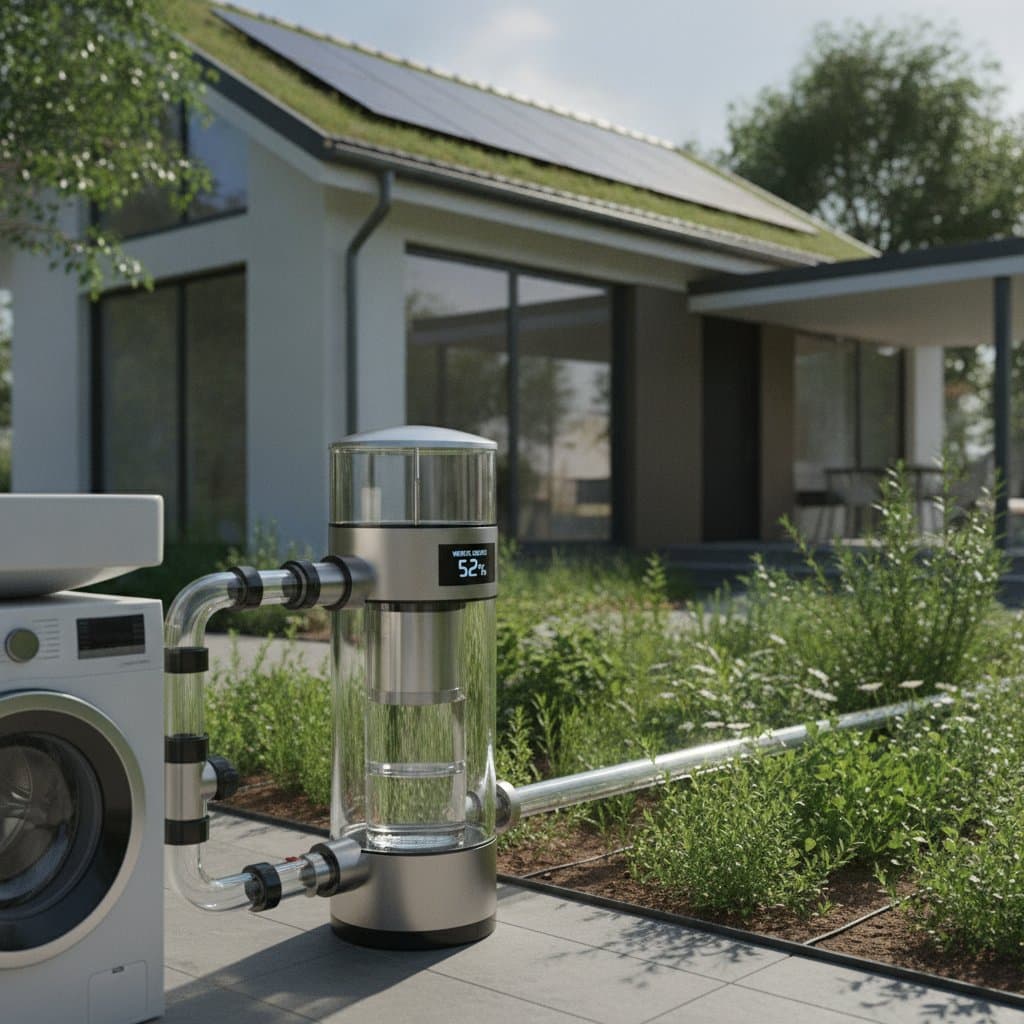
Featured image for Greywater Systems Cut Indoor Water Use by Half
2026-06-22 03:00:48
AMS - Home Guides, Cost Guides, Home Warranty

Greywater Systems Reduce Indoor Water Use by Half

Quick Take

  • Greywater systems capture water from sinks, showers, and washing machines for reuse in irrigation or toilet flushing.
  • A basic installation reclaims up to half of indoor water that would otherwise drain away.
  • System costs vary by home layout, yet payback periods shorten in areas with high water rates.
  • Success depends on accurate design, effective filtration, and full compliance with local plumbing codes.

Advantages and Limitations

Advantages

  • Lowers monthly water bills through direct reuse of up to half the household supply.
  • Supplies consistent irrigation during periods of low rainfall.
  • Reduces pressure on septic tanks and municipal sewer networks.
  • Contributes measurable progress toward sustainable home performance goals.

Limitations

  • Demands regular filter cleaning and line flushing to prevent buildup.
  • Retrofit expenses rise sharply once walls or floors are finished.
  • Inadequate slope or filtration can produce odors and slow drainage.
  • Every component must satisfy current plumbing regulations to prevent health risks.

Tools, Materials, and Preparation

Gather 1 to 2 inch PVC or ABS pipe, a three-way diverter valve, a mesh filter basket, gravel, perforated distribution pipe, and basic sealing compounds. Wear eye protection and gloves during cutting and assembly. Shut off the main water supply before any pipe work begins, and verify that the intended discharge area lies at least 100 feet from wells or open water bodies.

A simple laundry-to-landscape project usually requires one to two days. Homeowners comfortable with basic plumbing can complete gravity-flow versions themselves. Pumped systems or those serving toilets require licensed professionals.

Installation Sequence

  1. Map every greywater source and plot the shortest practical route to the irrigation zone while avoiding unnecessary elbows.
  2. Cut the selected drain line and install the diverter valve so water can be directed to sewer or landscape as needed.
  3. Place a cleanable mesh screen or settling tank immediately after the valve to capture lint and hair.
  4. Excavate an 8 to 12 inch deep trench, line it with gravel, and lay perforated pipe covered by landscape fabric before backfilling.
  5. Run a test cycle with clean water, observe distribution, and correct any low spots or uneven flow.
  6. Affix permanent labels to all greywater piping and keep a simple diagram near the main shutoff valve.
  7. Establish a monthly routine of flushing lines and inspecting trenches for ponding or smell.

When Professional Installation Is Required

Hire a plumber if pipes run behind finished surfaces, if the plan includes toilet flushing, or if local rules mandate permits and inspections. Professionals calculate correct pipe diameters, ensure proper venting, and certify that no cross-connections exist between potable and greywater lines.

Complementary Water-Saving Approaches

Rainwater collection works well for exterior uses but fluctuates with seasonal rainfall. High-efficiency fixtures lower demand without altering drainage lines, though total savings remain smaller than full greywater recovery. Drip irrigation with timers pairs effectively with greywater yet still requires sediment filtration.

Common Questions

Short-term storage of a few hours is acceptable, yet discharge the same day to limit bacterial growth. Biodegradable soaps without boron or bleach are safe for most plants. Soil type dictates trench size: clay needs greater length while sand drains rapidly. Always confirm permit requirements before cutting into existing drains.

Pre-Start Verification List

  • Locate all accessible greywater fixtures.
  • Review municipal code and permit obligations.
  • Decide between gravity and pumped delivery.
  • Install diverter valve and primary filter.
  • Construct gravel-filled distribution trench.
  • Verify even flow and label every line.
  • Schedule recurring filter and line maintenance.

Putting the System into Service

Begin with a single accessible fixture such as the washing machine. Monitor performance for one full season, then add additional sources once the first zone operates reliably. Consistent filter care and clearly marked valves keep the installation efficient and code compliant for years. Each gallon redirected reduces utility costs and eases demand on community water supplies.

You may also like

Image for Home Battery Warranties Cover Two Different Things

Home Battery Warranties Cover Two Different Things

June 22, 2026
Image for AI Now Decides Your Home Warranty Claims in Minutes

AI Now Decides Your Home Warranty Claims in Minutes

June 21, 2026
Image for Home Warranty vs Insurance: What AI Claims Reveal

Home Warranty vs Insurance: What AI Claims Reveal

June 21, 2026

Tagged:

home,sustainable,greywater,greywater systems,water,water recycling,systems,recycling,sustainable-home

Related: home

Image for AI Now Decides Your Home Warranty Claims in Minutes

AI Now Decides Your Home Warranty Claims in Minutes

June 21, 2026
Image for Home Warranty vs Insurance: What AI Claims Reveal

Home Warranty vs Insurance: What AI Claims Reveal

June 21, 2026
Image for Home Battery Backup: $10K-$20K Investment Guide 2026

Home Battery Backup: $10K-$20K Investment Guide 2026

June 21, 2026
Image for Flood Risk Now Threatens Homes Beyond Coastal Zones

Flood Risk Now Threatens Homes Beyond Coastal Zones

June 20, 2026
Image for Smart Home Hacks: Which Policy Actually Pays

Smart Home Hacks: Which Policy Actually Pays

June 20, 2026

Home Guides

Home Battery Backup: $10K-$20K Investment Guide 2026

Home battery backups maintain power during outages and may reduce electricity expenses. Their typical price range of 10000 to 20000 dollars requires careful assessment. This guide covers operation, pricing influences, and professional installation requirements to support informed decisions.

June 21, 2026

Flood Risk Now Threatens Homes Beyond Coastal Zones

Rising flood risks now affect inland properties. This guide details 2026 climate upgrades that combine structural work, financial planning, and contract review to build lasting resilience.

June 20, 2026

ADU Costs: $210K Average for Multigenerational Living

ADUs deliver independent living space for extended families at an average cost of $210,000. Professional builds raise property value by up to 25 percent and adapt to changing household needs over time.

June 20, 2026

Balancing Privacy and Shared Spaces for Multiple Generations

Multigenerational homes succeed when privacy, costs, and daily routines receive equal attention. This guide supplies concrete steps for layout planning, expense tracking, and long term reviews that keep family living sustainable.

June 19, 2026

AI Home Inspections Cut Error Rates by 40 Percent

AI home inspections in 2026 deliver faster and more accurate property assessments while cutting error rates by up to 40 percent. Costs range from $250 to $750 depending on features, size, and technology level. Predictive insights and professional reliability transform how buyers evaluate home investments.

June 18, 2026

Multigenerational Home Layouts: $150K to $420K Costs

Learn how to plan affordable multigenerational living spaces. Review cost ranges, design choices that control expenses, and maintenance practices that protect your investment over time.

June 17, 2026

Waterproof Flooring Costs $5-12 Per Square Foot in 2026

Explore current waterproof flooring costs, material comparisons, and installation options. Find clear pricing ranges and proven ways to balance performance, budget, and long-term resilience.

June 15, 2026

Granny Pod Costs and Zoning Rules for 2026

Granny pods are compact backyard homes for relatives or rental income. Expect costs from $90,000 to $280,000, influenced by materials, hookups, and permits. Zoning rules, setbacks, and utility access determine feasibility. Learn how to plan, budget, and navigate regulations before building your own ADU.

June 15, 2026

Smart Layouts That Let Generations Share One Home

Discover how 2026 home designs are redefining multigenerational living with smart, flexible layouts. Learn to balance shared and private zones, integrate accessibility, and adapt spaces as family needs evolve. From ADUs to soundproofing, this guide shows how thoughtful design fosters independence, connection, and long-term value under one roof.

June 14, 2026

Balancing Privacy and Proximity Under One Roof

Multigenerational living in 2026 requires thoughtful layouts that preserve independence while controlling costs. This guide covers zoning considerations, soundproofing methods, accessibility upgrades, and budgeting steps for homes that serve multiple generations effectively.

June 14, 2026

Flood Prevention Upgrades Cut Damage Risk 80 Percent

Flood prevention upgrades can cut damage risk by 80 percent while boosting property value. Costs range from $3,000 for basic systems to $22,000 for premium packages. Discover how professional installation, smart planning, and seasonal timing maximize protection and savings.

June 13, 2026

Flood Proofing Costs: From Hundreds to Tens of Thousands

From simple crack sealing to full home elevation, flood proofing protects against rising water and costly repairs. Costs range from hundreds to tens of thousands, depending on risk and design. Learn when DIY fixes suffice, when professionals are essential, and how smart planning can lower insurance and future damage.

June 13, 2026

Build Flood Resilience That Fits Your Budget

Homeowners facing rising flood risks can combine grading, drainage, and waterproofing into budget-appropriate defenses. This guide outlines realistic costs, scheduling considerations, and maintenance routines that deliver lasting protection.

June 12, 2026

Greywater Systems Cut Water Bills 25-50% in 2026

Greywater systems recycle water from sinks, showers, and laundry for irrigation or toilets, cutting household water use and costs. Prices range from 2000 dollars to 8000 dollars and suit drought-prone or high-rate areas. Proper installation, maintenance, and smart design turn wastewater into savings while boosting sustainability and home value.

June 12, 2026

ADU Conversions Cost $80K-$250K for Multi-Gen Homes

Transform your property into a flexible home for multiple generations. Explore ADU costs, design choices, and practical steps that improve independence and long-term value.

June 8, 2026

2026 Rebates Cut Electric Upgrade Costs in Half

2026 rebates offset costs when replacing gas appliances with electric models. Follow inspection, permitting, and installation steps to qualify for incentives and reduce long term energy use.

June 2, 2026

Flood-Proof Floors: $2-$25 Per Sq Ft Options Compared

Review durable flood-resistant flooring choices from vinyl plank to sealed concrete. See installed costs, timelines, DIY options, and steps to lower expenses while protecting your home.

May 31, 2026

Garage ADU Conversions Average $130K in 2026

Garage conversions into ADUs typically cost between $90,000 and $180,000 and require four to eight months. This guide details every expense category, permit process, and practical steps to control costs while meeting current building standards.

May 29, 2026

Planning a Granny Pod: Costs and Zoning Requirements

A granny pod blends independence with family proximity. Success depends on accurate budgeting, zoning compliance, and careful construction planning. This guide covers costs, permits, insurance, and maintenance to help homeowners create a compliant backyard dwelling.

May 28, 2026

Multigenerational Home Conversions Cost $80K-$300K in 2026

Transforming a single-family home for multigenerational living costs $80,000 to $300,000 depending on size, materials, and complexity. Strategic planning and professional guidance help families create flexible spaces that enhance comfort, independence, and property value.

May 28, 2026

Categories

Appliance & System Coverage
Cost Guides
Home Guides
Home Warranty Basics
Outdoor & Exterior Guides
Remodeling Cost Comparisons
Room-by-Room Guides