Is Home Battery Backup Worth It in 2026
A home battery backup stores electricity for use during outages or to offset high utility rates. It can keep lights, refrigerators, and medical devices running when the grid fails. Whether it is worth the investment depends on power reliability, energy rates, and budget.
Quick Reference
- A rechargeable battery system powers part or all of a home during outages.
- Critical loads stay operational while energy independence increases.
- Most homes see installed costs between 10000 and 20000 dollars.
- Professional installation is required due to electrical and permitting rules.
- Full setup and inspection typically take two to four days.
- Annual checks of connections and software maintain performance.
What Defines a Home Battery Backup
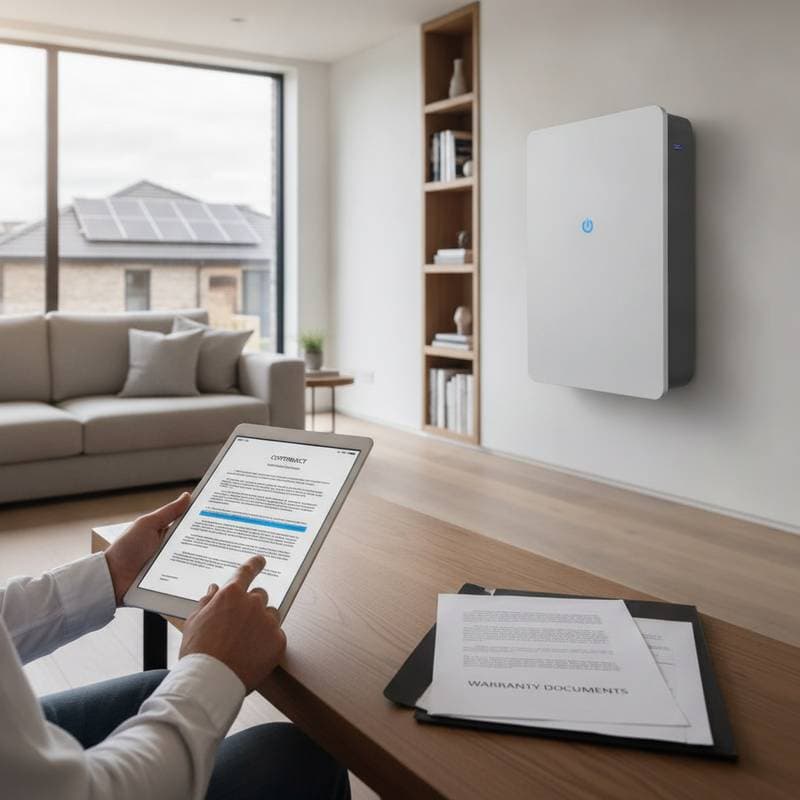
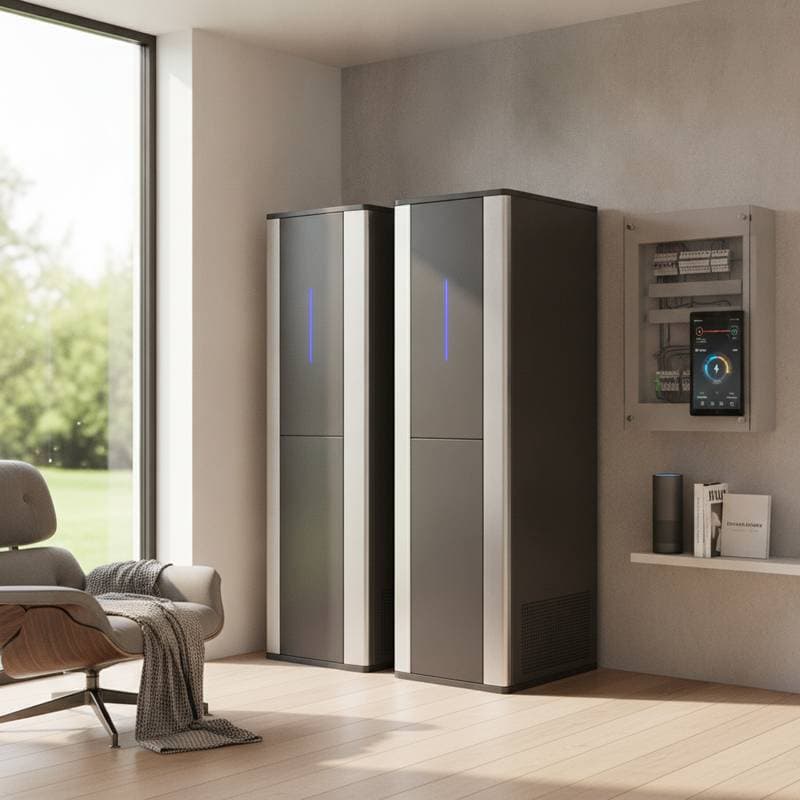
A home battery backup is a stationary energy storage system mounted on a wall or floor and connected to the electrical panel. It draws power from the grid or solar panels and discharges it when needed.
Core Components and Operation
The system consists of a battery pack, an inverter, and control software. The inverter converts direct current from the battery to alternating current for household use. Control software manages charge and discharge cycles based on grid conditions or time of use rates. Some units integrate with rooftop solar to store daytime energy.
Indicators That a System May Fit Your Needs
- Utility outages occur frequently and last more than a few hours.
- Time of use electricity rates are high in your area.
- Medical or home office equipment requires uninterrupted power.
- Solar production needs better utilization throughout the day.
Installation Sequence
- A licensed installer evaluates space, panel capacity, and load priorities.
- The battery size is determined, commonly 10 to 20 kilowatt hours.
- Local building and electrical permits are obtained.
- The battery, inverter, and disconnects are mounted and wired.
- Authorities inspect for safety and code compliance.
- Software connects to the monitoring app and operation is verified.
Cost Breakdown and Variables
| Line Item | Typical Range | Notes and Variables |
|---|---|---|
| Battery unit | 7000 to 12000 | Lithium iron phosphate or lithium ion chemistries |
| Inverter and controls | 1000 to 3000 | May be included with battery |
| Labor and permits | 2000 to 5000 | Depends on panel upgrades and conduit length |
| Optional solar integration | 2000 to 6000 | Adds wiring and software configuration |
Median installed cost reaches approximately 15000 dollars for a mid size system with solar integration. A small battery only setup starts near 9000 dollars. Whole home coverage with multiple batteries can reach 25000 dollars.
Professional Installation Compared with Self Installation
| Category | Self Installation | Professional Installation |
|---|---|---|
| Skill level | Advanced electrical experience | Licensed electrician |
| Safety risk | High | Managed |
| Tools required | Specialty electrical tools | Provided |
| Permit or code | Always required | Handled by professional |
| Time required | One to two weeks | Two to four days |
| Warranty impact | Often voided | Protected |
Home battery systems connect to high voltage panels. Self installation carries risks of fire, shock, and code violations.
Safety Requirements and Code Compliance
Follow National Electrical Code requirements for disconnects, enclosure clearance, and ventilation. Position batteries away from direct sunlight and moisture. Install smoke and carbon monoxide detectors nearby. Inspect annually for corrosion or swelling.
Maintenance Schedule and Expected Lifespan
Most systems last 10 to 15 years with an 80 percent capacity guarantee. Clean vents and apply firmware updates each year. Replace batteries when usable capacity falls below backup requirements.
Climate and Location Considerations
Cold climates require batteries with built in heaters. Hot climates need shaded or conditioned space. High humidity calls for sealed enclosures. Rural or wildfire zones benefit from larger capacity for extended outages. Coastal areas require protection of terminals from salt corrosion.
Next Steps Toward Energy Reliability
Evaluate outage frequency and electricity rate structures first. Obtain site assessments from multiple licensed installers. Compare system sizes against critical load requirements. Proceed with installation once permits and financing align with household goals.