Understanding 2026 Home Battery Costs and Warranties
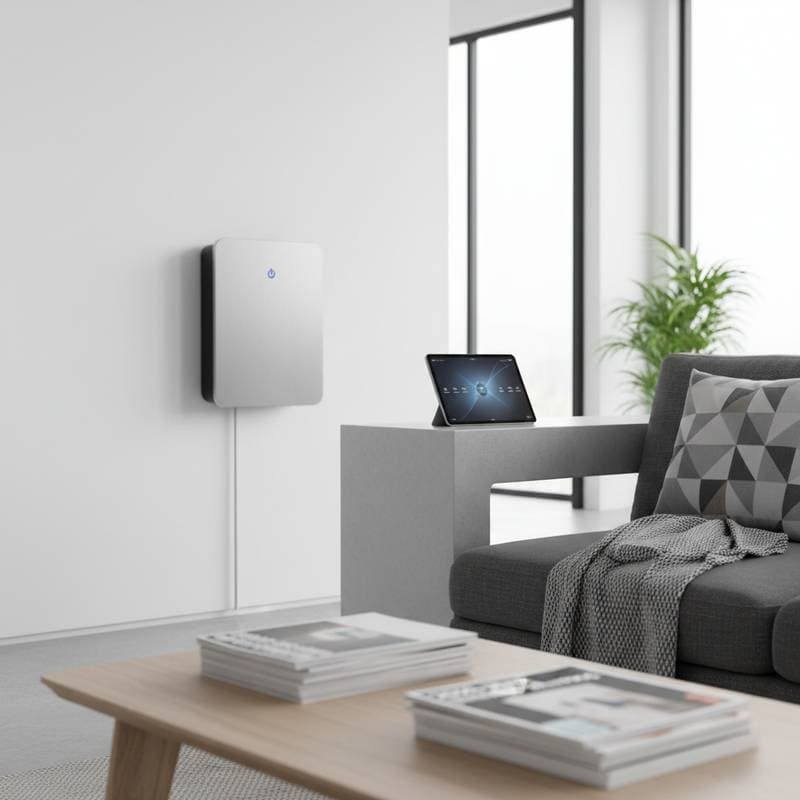
Home battery systems transition from specialized equipment to standard household features by 2026. Families increasingly install these units to handle power interruptions and lower expenses during high-demand periods. Buyers focus on initial expenses and warranty provisions, which determine overall worth. This article outlines the elements that influence pricing, the role of warranties in protecting investments, and essential reviews prior to finalizing agreements.
Costs vary based on capacity, brand reputation, and integrated technologies. A typical 10-kilowatt-hour unit ranges from 5,000 to 7,000 dollars before installation. Warranties often cover 10 to 15 years or a set number of charge cycles, but exclusions for environmental factors or improper setup can limit protection. Homeowners benefit from comparing coverage for capacity retention, typically guaranteed at 70 percent after a decade.
Advantages, Drawbacks, and Ideal Applications
Advantages
- Delivers backup power during grid failures, maintaining essential appliances.
- Lowers utility bills through integration with solar arrays and time-of-use pricing strategies.
- Contributes to community energy resilience via participation in utility demand-response initiatives.
Drawbacks
- Involves substantial initial investment relative to traditional generators.
- Experiences gradual capacity decline after repeated discharge cycles.
- Features intricate warranty conditions, including exclusions for non-standard usage that may diminish effective coverage.
Ideal Applications
- Residences prone to frequent outages from weather or infrastructure issues.
- Properties equipped with existing solar installations seeking enhanced self-sufficiency.
- Households facing elevated rates during evening peak hours, where stored energy offsets expenses.
Detailed Installation Process
Professional installation ensures compliance and optimal performance. The process unfolds in structured phases to minimize disruptions and risks.
- Site Assessment: A qualified electrician evaluates the electrical panel's capacity, grounding integrity, and suitable mounting locations.
- Planning and Approvals: The installer prepares detailed schematics and load assessments, submitting them to municipal authorities for permit approval.
- Physical Setup: Secure the battery modules and inverter to a sturdy surface, such as an interior wall or outdoor pad, while routing protective conduit to the primary panel.
- System Activation: Conduct thorough testing of voltage levels, current flow, and integration with solar components or utility meters.
- Final Verification: Authorities inspect for adequate spacing, proper labeling, and accessible emergency disconnects.
Expect the on-site work to span two to three days, with additional time for utility approvals that may extend one to three weeks. Proper execution prevents future complications and upholds warranty validity.
Common Pitfalls and Prevention Strategies
Overlooking key details can lead to reduced efficiency or financial losses. Address these issues proactively to safeguard the system's longevity.
- Overlooking Temperature Tolerances: Excessive heat beyond 95 degrees Fahrenheit or cold under 32 degrees Fahrenheit accelerates degradation. Install in conditioned spaces or use insulated enclosures.
- Neglecting Regulatory Compliance: Installations without permits risk invalidating insurance policies and manufacturer guarantees. Always secure approvals before proceeding.
- Selecting Inadequate Inverter Capacity: Units unable to handle rapid power delivery may fail to support vital loads during outages. Match specifications to household needs.
- Combining Incompatible Components: Mismatched inverters and batteries hinder communication, disabling advanced features. Verify interoperability through manufacturer guidelines.
- Overlooking Warranty Details: Certain policies mandate continuous internet access or performance logging for claims eligibility. Review all terms thoroughly.
Guidelines for Professional versus Self-Installation
Determine the approach based on project complexity and local requirements. Each option carries distinct benefits and risks.
Self-installation suits simple expansions, such as adding low-voltage modules to pre-existing solar inverters without altering main wiring. This method reduces costs for experienced individuals but demands caution.
Engage professionals for scenarios involving:
- Connections to the central electrical service.
- Mandatory permitting or oversight.
- Detailed load analysis or subpanel modifications.
- Jurisdictional rules requiring certified electricians.
Errors in execution, such as improper fusing or grounding, invite hazards like overheating or electrical faults. Professional involvement mitigates these dangers and ensures adherence to standards.
Comparative Overview of Installation Quotes
| Component | Details | Provider A | Provider B | Provider C | Key Variations |
|---|---|---|---|---|---|
| Battery Capacity | 10 kWh Usable | $5,800 | $6,100 | $5,600 | Reflects brand quality and warranty duration |
| Labor and Permits | Two-Day Scope | $2,200 | $2,500 | $2,000 | Influenced by regional wages and fees |
| Inverter and Controls | Hybrid Model | $2,400 | $2,600 | $2,200 | Based on energy conversion efficiency |
| Monitoring System | Wi-Fi Integration | $300 | $350 | $320 | Essential for warranty validation |
| Total Cost | Full Package | $10,700 | $11,550 | $10,120 | Includes coverage scope differences |
Use this table to assess value, prioritizing comprehensive warranties over lowest bids.
Preparation Checklist for Installation
| Area | Essential Elements |
|---|---|
| Equipment Needs | Drill, torque wrench, conduit tools, digital multimeter |
| Required Expertise | Fundamental electrical knowledge, DC system safety protocols |
| Protective Measures | Insulated gloves, safety eyewear, non-conductive footwear |
| Regulatory Steps | Electrical permit, potential utility interconnection approval |
| Preliminary Actions | Secure mounting area, verify panel limits, assess network strength |
| Environmental Factors | Shield from extreme sun exposure or uninsulated conditions |
Thorough preparation streamlines the project and enhances safety.
Steps to Secure Your Home Battery Investment
Begin by researching certified installers through utility referrals or industry associations. Request detailed quotes that specify warranty inclusions and performance metrics. Schedule a site visit to confirm feasibility and discuss customization options. After installation, monitor system logs regularly to track efficiency and address issues promptly. This proactive stance maximizes returns, from bill reductions to uninterrupted power, positioning your home for sustainable energy management in 2026 and beyond.