Understanding Granny Pod Expenses in 2026
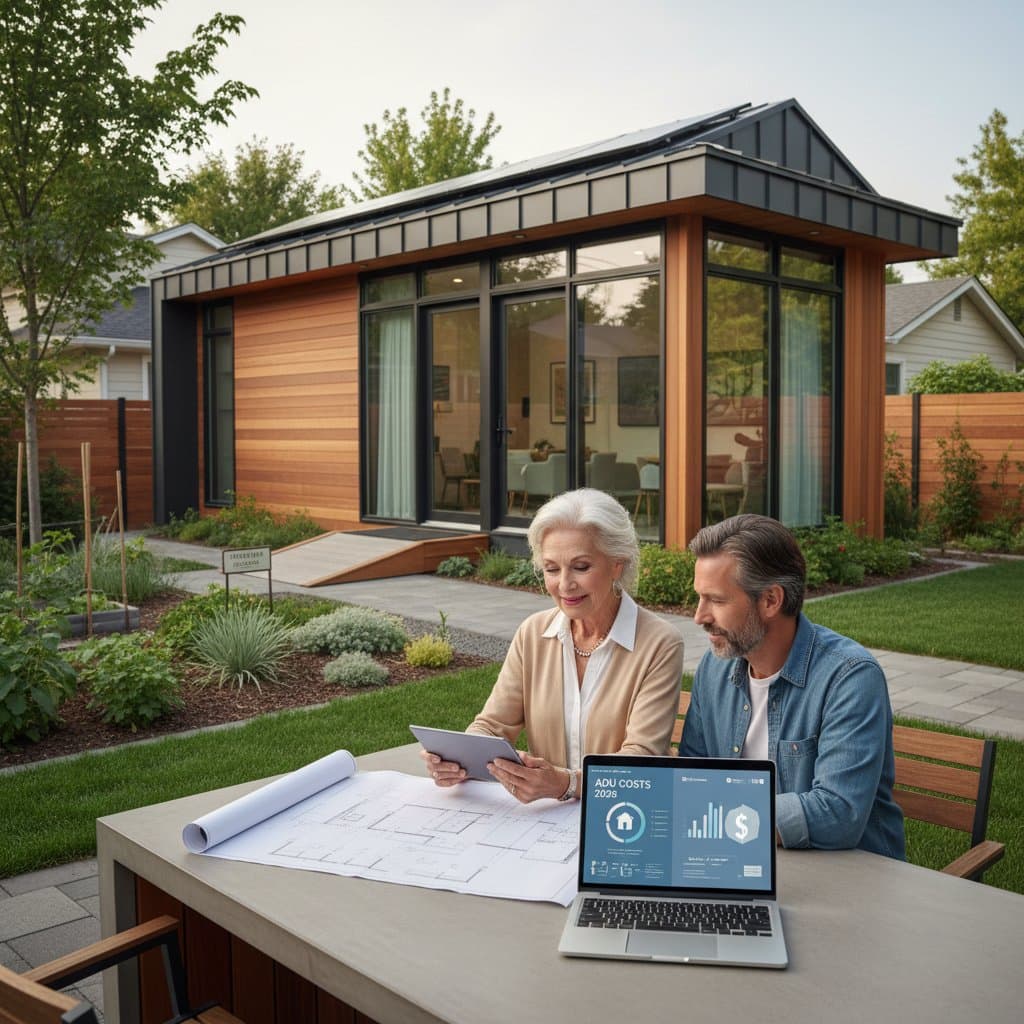
Granny pods, also known as backyard cottages or accessory dwelling units, provide a practical option for families who want proximity without sacrificing independence. These compact structures support aging relatives or guests while maintaining privacy on the primary property. Costs extend well beyond advertised base prices, however, and include site work, permits, and long term obligations.
Breaking Down the Costs
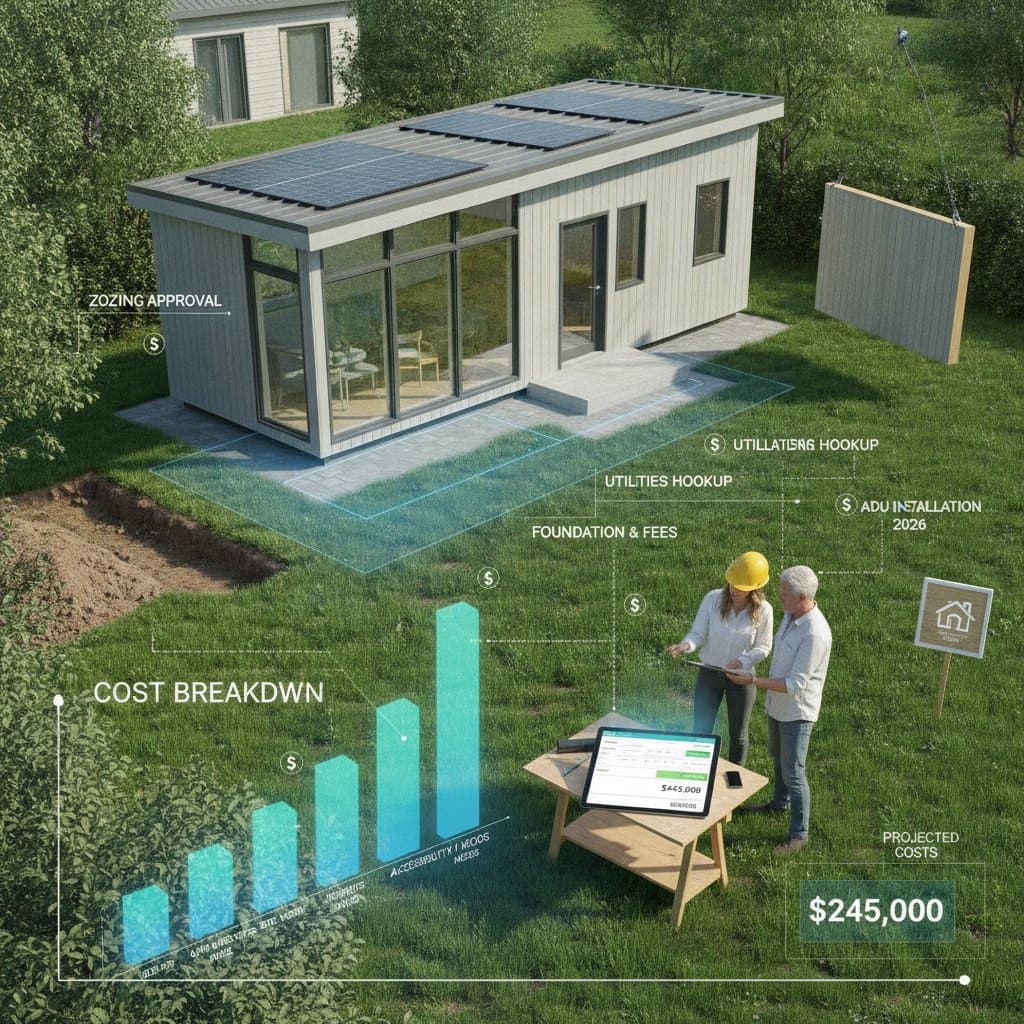
Homeowners frequently encounter advertised prices that begin around fifty thousand dollars. A full review of expenses shows higher and more realistic totals once all components receive consideration.
Base Unit Prices
Prefabricated units typically range from eighty thousand to one hundred thirty thousand dollars based on size and interior finishes. Custom construction usually falls between one hundred twenty thousand and two hundred thousand dollars. Conversions of existing structures often cost between sixty thousand and one hundred ten thousand dollars. These amounts cover the dwelling itself and exclude preparation or utility work.
Additional Expenses to Budget For
Most projects require further investment in the following areas:
- Site preparation that includes grading, foundations, and access paths, with costs from ten thousand to twenty five thousand dollars.
- Utility connections for water, sewer, electricity, and internet lines, typically ranging from seven thousand to twenty thousand dollars.
- Permitting and impact fees that vary by jurisdiction and fall between five thousand and eighteen thousand dollars.
- Accessibility features such as ramps and grab bars, budgeted from five thousand to fifteen thousand dollars.
- Landscaping and fencing for privacy or drainage, usually between three thousand and eight thousand dollars.
Ongoing Financial Considerations
Property taxes often increase after installation because assessors add the new structure to the total value. Separate utility accounts and regular maintenance add further annual expenses. Insurance premiums may rise as well once the property classification changes.
| Cost Category | Typical Range | Notes |
|---|---|---|
| Construction or purchase | $80,000 to $200,000 | Depends on size and quality |
| Site and utility work | $15,000 to $45,000 | Necessary for most installations |
| Permitting and fees | $5,000 to $18,000 | Varies by city or county |
| Furnishings and appliances | $3,000 to $10,000 | Optional but common |
| Annual maintenance | $1,000 to $2,000 | Cleaning, systems checks, minor repairs |
| Insurance and taxes | $800 to $2,500 annually | Based on property value increases |
Navigating Local Zoning Rules
Zoning regulations create the most frequent obstacle for these projects. Each municipality sets its own standards for lot size, placement, height, and occupancy.
Typical Zoning Conditions
Many areas require a minimum lot size of six thousand square feet before a secondary dwelling receives approval. Setback distances usually range from five to ten feet from property lines. Some jurisdictions restrict occupancy to family members or caregivers only. Additional off street parking and owner occupancy rules appear in numerous local codes.
Permitting Process Details
Permit applications move through building, utility, and planning departments. Delays commonly result from incomplete site plans or missing documentation. Homeowners benefit from obtaining written confirmation of allowable square footage, height limits, and use restrictions before any contract signing occurs. Certain counties classify modular units as temporary medical dwellings while others treat them as permanent structures subject to full building codes.
Assessing Long Term Value
Families often pursue granny pods for caregiving needs, yet financial analysis remains useful. Rental income may offset costs when local rules permit long term leases. A complete evaluation includes initial outlay, yearly operating expenses, potential revenue, and depreciation over ten to twenty years.
When family members occupy the unit, savings on assisted living expenses can provide indirect returns. Comparing those alternatives against construction totals helps determine realistic payback periods.
Protecting Your Investment
Careful oversight throughout the project reduces the chance of major problems.
- Confirm that all contractors and subcontractors hold current licenses.
- Request itemized bids that separate materials, labor, and permit costs.
- Obtain proof of insurance from every builder and installer.
- Keep copies of all inspection reports for future resale or refinancing needs.
- Arrange independent inspections before final payment to verify workmanship quality.
Contracts should specify completion dates, payment schedules, and penalties for delays. Retaining a portion of funds until final approval provides additional protection. Manufacturers typically require documented maintenance to preserve warranties, so a service log for roof, HVAC, and plumbing checks proves valuable.
Implementing Your Backyard Housing Plan
Begin with a feasibility review that compares purchase, custom build, and conversion options. Early contact with local zoning staff prevents later obstacles. Treating the project as a structured investment rather than a purely emotional decision supports property value, family relationships, and long term flexibility.