Inspecting and Upgrading Windows and Doors
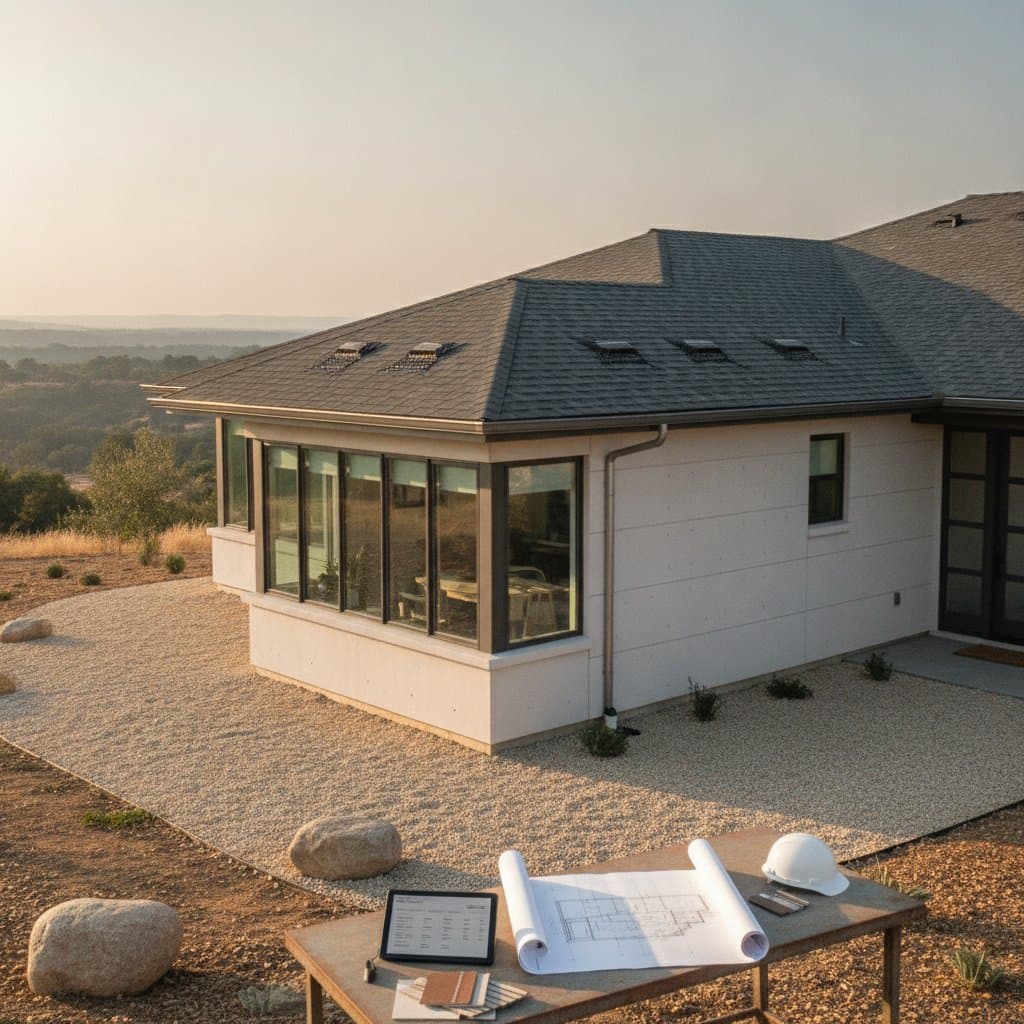
Examine all windows for single-pane glass, which transmits heat rapidly during a fire. Opt for dual-pane tempered glass installations that provide better thermal barriers and shatter resistance. For skylights made of plastic, replace them with tempered glass equivalents to prevent melting and ember entry.
Address doors by sealing thresholds with fire-rated sweeps and applying durable weather stripping around frames. Choose metal frames over wood to avoid ignition from prolonged exposure. Even small gaps, often less than a quarter-inch, allow embers to infiltrate, so inspect and seal meticulously using high-temperature caulk.
Testing and Ongoing Maintenance
Conduct a practical hose test by spraying water around vents, eaves, and roof edges to verify seal integrity; water should not penetrate any openings. Schedule this test biannually or after storms that could loosen materials.
Maintain clean gutters to prevent debris buildup, which acts as fuel. Preserve defensible space by regularly clearing dry vegetation within 30 feet of the structure. Document all upgrades with dated photographs and receipts to support insurance claims or rebate applications.
Understanding Costs
A comprehensive wildfire retrofit typically ranges from $3,000 to $25,000, depending on home size and existing conditions. For lighter interventions, such as updating vents, cleaning gutters, and managing vegetation, expect $1,000 to $5,000. Extensive projects involving full exterior overhauls can exceed $50,000.
Several elements influence higher expenses. Complex roof designs with steep pitches or multiple levels demand specialized equipment like scaffolding, increasing labor charges. Selecting premium materials, such as fiber-cement siding or galvanized metal, adds to the budget. Sites with limited access, like hilly terrain, complicate material delivery and debris removal. Additionally, local permits and inspections contribute 5 to 10 percent of total costs.
To reduce outlays, time upgrades with planned renovations, such as a new roof, to consolidate labor. Source fire-safe materials from regional suppliers to avoid import fees. Collaborate with neighbors on shared projects to divide contractor setup costs. Handle vegetation clearance personally if you possess the necessary tools and knowledge of local regulations.
Replacement often proves more economical than repairs when roofs exceed half their expected lifespan or siding exhibits significant deterioration like rot or cracks. Review insurance policies and recent inspections, as partial fixes may not satisfy coverage requirements for high-risk zones.
DIY Approaches Versus Professional Services
DIY suits individuals with foundational carpentry skills and access to appropriate safety equipment, including ladders stable for your roof's slope. Suitable tasks include installing basic vent screens, applying caulk to gaps, or removing nearby brush. Always adhere to community guidelines for disposing of materials like treated lumber or old shingles.
Engage professionals for scenarios involving structural roof repairs, proximity to electrical or gas lines near vulnerable areas, or handling hazardous substances such as asbestos in older sidings. Projects requiring code compliance or engineering assessments also demand expert involvement.
Professionals ensure the building envelope remains airtight and watertight, securing necessary permits and using certified fire-rated components with proper fasteners. They deliver detailed reports that facilitate insurance reductions and official compliance verification, often justifying the added expense through enhanced durability.
Essential Maintenance and Prevention Strategies
Perform inspections twice annually, plus immediately following high-wind incidents that might displace materials. Key activities include clearing gutters and downspouts of leaves and needles to eliminate fire fuel.
Trim overhanging branches and shrubs to maintain at least a 5-foot clearance from walls, roofs, and decks. Examine vent screens for bends, rust, or blockages that could allow ember passage. Reapply sealants to any widened cracks in siding or trim.
Verify that irrigation or sprinkler systems avoid directing water at wood elements, which could promote rot. These routines sustain a robust fire barrier and distance potential igniters from critical home surfaces, extending the lifespan of your investments.
Alternative Protection Methods
Consider intumescent coatings for safeguarding exposed wooden beams or soffits where replacement proves challenging. These paints expand under heat to form an insulating char layer, offering 30 to 60 minutes of protection against embers, though they falter against sustained flames.
Fire-resistant panels, crafted from cement board or lightweight metal, overlay existing siding without demolition. This approach controls expenses while achieving code-compliant barriers, ideal for rentals or budget-constrained owners.
Modular roofing systems feature interlocking metal or polymer tiles paired with fire-retardant underlayments. Initial costs run 20 to 30 percent higher than standard asphalt, but their 50-year durability and minimal upkeep offset the investment over time.
Frequently Asked Questions
How much defensible space is required around my property? Standard guidelines recommend a 30-foot zone with reduced vegetation and fuels. In steeper terrains or dense forests, requirements may extend to 100 feet; consult local fire authorities for precise measurements.
Do metal roofs guarantee ignition prevention? Metal roofs excel at reflecting heat and shedding embers, yet vulnerabilities persist in seams or unsealed vents. Ensure installations include robust flashing and edge sealing to maximize effectiveness.
Can upgrades lead to insurance premium reductions? Insurers frequently provide discounts of 5 to 20 percent for verified Class A roofing and maintained defensible spaces. Submit detailed documentation, including material specs and inspection reports, to qualify.
Is spraying fire retardant on siding sufficient? Such sprays offer short-term slowing of flame spread but degrade with weather exposure. Reserve them for auxiliary use alongside permanent upgrades like non-combustible materials.
What options exist for homes in historic districts? Exterior changes often require approval to preserve aesthetics. Select fire-rated products that replicate traditional appearances, such as textured fiber-cement mimicking wood shake.
Should I close vents during wildfire season? Permanent closures risk moisture buildup and mold. Install fine-mesh ember screens instead to balance airflow and defense.
How do I determine local code requirements? Contact your municipal building department or fire marshal for the latest Wildland-Urban Interface standards tailored to your region.
Quick-Start Checklist for Wildfire Upgrades
-
Assess and replace roof sections with non-Class A materials to achieve full fire-rated coverage.
-
Fit all vents with 1/8-inch mesh screens resistant to ember intrusion.
-
Caulk and seal gaps at eaves, wall penetrations, and utility entries.
-
Clear all plants, mulch, and debris from a 5-foot perimeter around the structure.
-
Swap combustible fencing adjacent to the home for non-flammable metal or stone alternatives.
-
Install dual-pane, tempered glass windows and doors where feasible.
-
Ensure gutters remain debris-free and metal flashings stay intact and secure.
-
Compile a record of all modifications, including photos and invoices, for insurance purposes.
Implementing Your Protection Plan
Prioritize affordable initial steps, such as roof enhancements, vent protections, and defensible space clearance, which address the primary ember threats. Integrate larger projects like siding replacements during routine maintenance to minimize disruption and expenses.
For properties nearing sale, assemble comprehensive upgrade portfolios with verification from certified installers. This not only reassures buyers but also streamlines insurance transitions.
Wildfire threats persist, yet targeted modifications enhance security and longevity. Through methodical planning, precise budgeting, and consistent upkeep, transform your home into a fortified sanctuary ready for future seasons.