How Much Do Flood-Proof Home Upgrades Cost? 2026 Pricing Guide
Flood-proofing converts a susceptible home into a durable asset capable of enduring intense storms and elevated water. Professional upgrades for flood protection range from $4,000 to $28,000, with the typical homeowner investing about $13,500 in measures such as foundation sealing, sump pump setup, and external drainage enhancements.
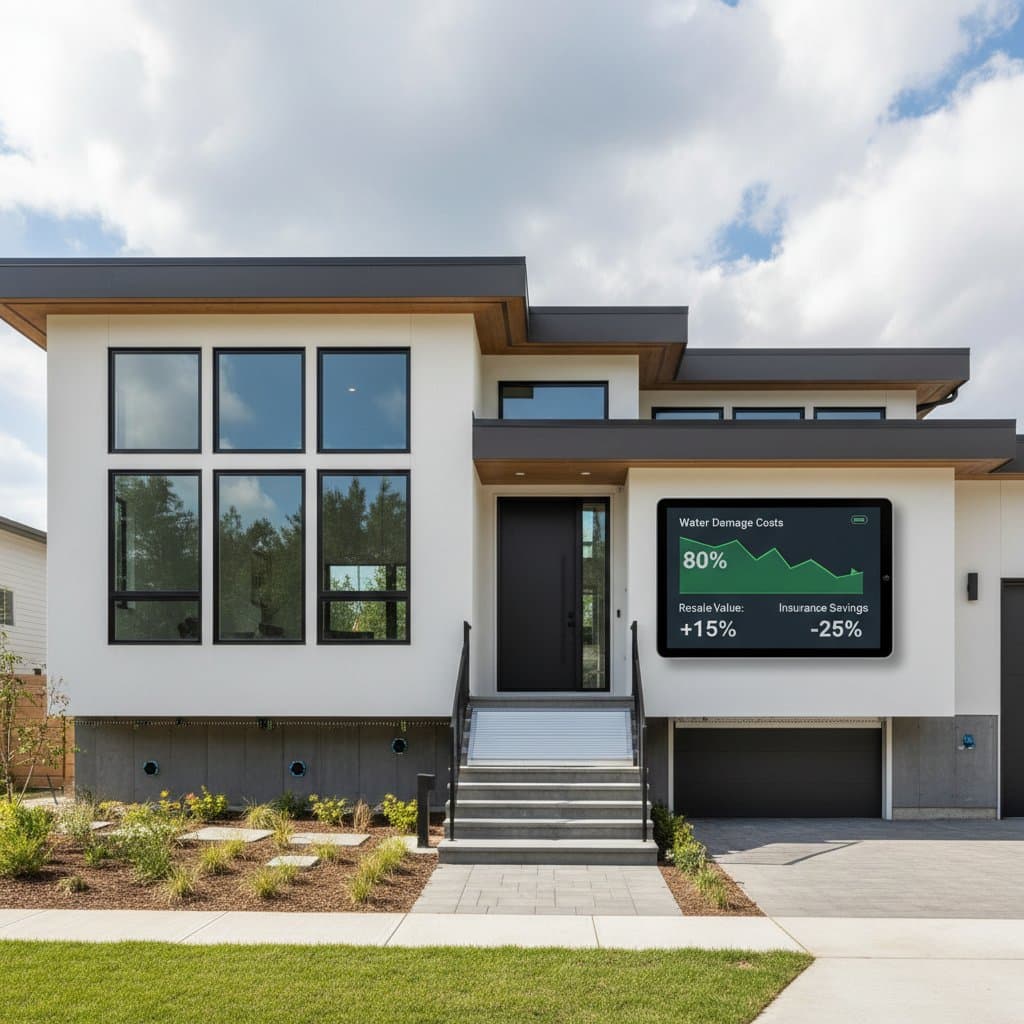
Three key elements shape the total expense: property elevation, foundation type, and flood risk intensity. Residences in elevated-risk zones or coastal areas demand advanced waterproofing and lifting, potentially doubling costs. Data from the Federal Alliance for Safe Homes indicates that effective flood-proofing lowers repair expenses from water damage by up to 80 percent. Such investments shield assets, steady insurance rates, and elevate resale potential over time.
Detailed Cost Breakdown
Expenses for flood mitigation differ significantly according to home size, regional labor fees, and protection extent. Contractors often bill by square foot or per system, contingent on structural or drainage installations.
Core Pricing Elements:
- Per-square-foot scale: $5 to $25 for full waterproofing
- Base fee: $1,500 for minor sealing or sump pump work
- Countrywide average: $13,500 for homes with moderate risk
- Percentile spreads: 25th at $6,500, 50th at $13,500, 75th at $20,000
Size and Scope Influence
Bigger homes or those with multiple levels demand greater effort and supplies. A compact single-story residence might require simple sealing and drainage for $6,000 to $9,000. A two-story structure with a basement could total $18,000 to $25,000. Every extra 100 square feet of coverage generally increases costs by $400 to $600.
Consider a coastal homeowner who allocated $12,800 for an integrated setup of drain tiles, waterproof layers, and a backed-up sump pump. Records from the National Flood Insurance Program reveal that raised homes face 35 percent fewer claims than ground-level ones, underscoring solid returns.
Material and Quality Levels
Basic Tier:
Simple polyurethane sealants paired with manual sump pumps run $4,000 to $7,000. These fit properties with slight seepage problems. Durability spans 5 to 10 years, backed by basic guarantees.
Intermediate Tier:
Setups from brands like Basement Systems or Zoeller Pumps fall between $8,000 and $15,000. Features encompass automatic pumps, vapor shields, and enhanced piping. Benefits include reduced upkeep and longevity up to 20 years.
Advanced Tier:
Elite options with flood barriers, monitoring tech, and foundation elevation surpass $25,000. Products from Flood Ark or SmartShield offer robust aluminum shields and instant alerts. These frequently carry lifetime guarantees and yield annual insurance reductions of up to 15 percent.
Complexity Adjustments
Properties with difficult entry, aged bases, or prior damage necessitate digging or strengthening, inflating labor by 20 to 40 percent. Adhering to local codes, especially for elevation, involves engineering reviews at $1,000 to $3,000. Location factors raise coastal urban rates by 15 percent over interior areas.
Service Types and Full Pricing
Flood-proofing options divide into basic packages or thorough resilience strategies. Coverage, supplies, and timelines vary per choice.
Standard Package Essentials
A fundamental package covers:
- Sealing foundation cracks
- Installing a sump pump
- Setting up interior drainage channels
- Extending downspouts and adjusting grading
Work spans two to four days with two specialists. Prices sit at $6,000 to $11,000, plus or minus 10 percent by site. Ideal for minor leaks or sporadic floods, it blocks up to 90 percent of groundwater in average rains.
Advanced Comprehensive Package
Full plans integrate elevation, monitoring, and barriers, including:
- Lifting foundations or adding piers
- Installing perimeter trench drains
- Deploying app-linked flood sensors
- Fitting reinforced doors and window guards
These range from $18,000 to $28,000, a 40 to 60 percent uplift from basics. Returns occur in 5 to 7 years via damage avoidance and premium cuts. They prove essential in floodplains or risky zones.
Add-On Options Overview
| Add-On Service | Cost Range | Bundle Discount | Best Schedule |
|---|---|---|---|
| Backflow prevention valve | $800 - $1,500 | 10% | With plumbing work |
| Gutter guard setup | $1,000 - $2,000 | 5% | Pre-rainy period |
| Smart water sensors | $600 - $1,200 | 8% | After core install |
| Exterior grading and landscaping | $2,000 - $5,000 | 12% | During prep |
Combining via sites like Angi or HomeAdvisor trims 10 to 15 percent off separate services.
Professional Installation Versus DIY
DIY Expense Outline
Individuals may tackle modest projects, yet totals near pro levels with tools and effort factored in.
Supplies:
- Hydraulic cement and sealant: $150 - $400
- Manual sump pump: $200 - $400
- Drainage pipe and connectors: $300 - $700
- Vapor barrier sheets: $100 - $300
Equipment:
- Wet vacuum or dehumidifier: $250 - $600 to buy, $50 per day to rent
- Concrete saw and drill: $100 rental
- Safety items and applicators: $50 - $100
Efforts take 25 to 40 hours and risk inconsistencies. Overlooked issues like mold or base harm can add $2,000 to $5,000 in fixes.
Benefits of Professionals
Licensed experts provide tailored tools, superior materials, and assured results. They conserve 30 to 50 hours while ensuring proven systems. Warranties and code adherence offer security valued at up to $3,000 in claim support. The added cost offsets DIY errors, where water fixes average $8,000 each.
Selection Guide
Opt for pros on intricate bases, cracks, or zoned risks. DIY works for basic diversions like gutters. Weigh error costs, such as damage or claim rejections. Pros sustain value over a decade, aiding appreciation and low upkeep.
Strategies to Lower Costs
Optimal Scheduling
Timing affects fees. Dry-season bookings yield 10 to 15 percent off due to slack demand. Midweek slots save 5 percent; community groups access bulk reductions.
Effective Procurement
Secure three bids from trusted sources for bargaining power. Request detailed breakdowns of materials, labor, and fees. Installment payments occasionally cut 2 to 3 percent. Buy components direct from makers for extra savings.
Pre-Work Preparations
Handle initial steps to trim hours:
- Remove border plants and waste, saving $300
- Relocate basement goods, saving $150
- Record damage history for precise plans
Detail entry points and past events to avoid revisions and surprises.
Regional and Market Insights
Location Differences
Urban coastal spots command peaks from transport and wages. Areas like Miami or New Orleans exceed inland by 20 to 25 percent. Rural spots offer lower rates but scarcer experts, extending timelines.
Economic Trends
Supply issues and demand hike membrane and sensor prices. Labor shortages elevate installs. Early commitments lock rates against rises.
Assessing Worth
Evaluate via claim reductions, premium drops, and home value gains. Systems with warranties and tech integration signal strong protection.
Securing Your Home Against Future Floods
Prioritize flood-proofing to minimize risks and costs long-term. Select upgrades matching your zone and budget for maximum impact. These steps not only preserve your investment but also provide peace of mind in uncertain weather.