Understanding Solar Battery Warranty Costs: A Comprehensive Guide to Home Protection
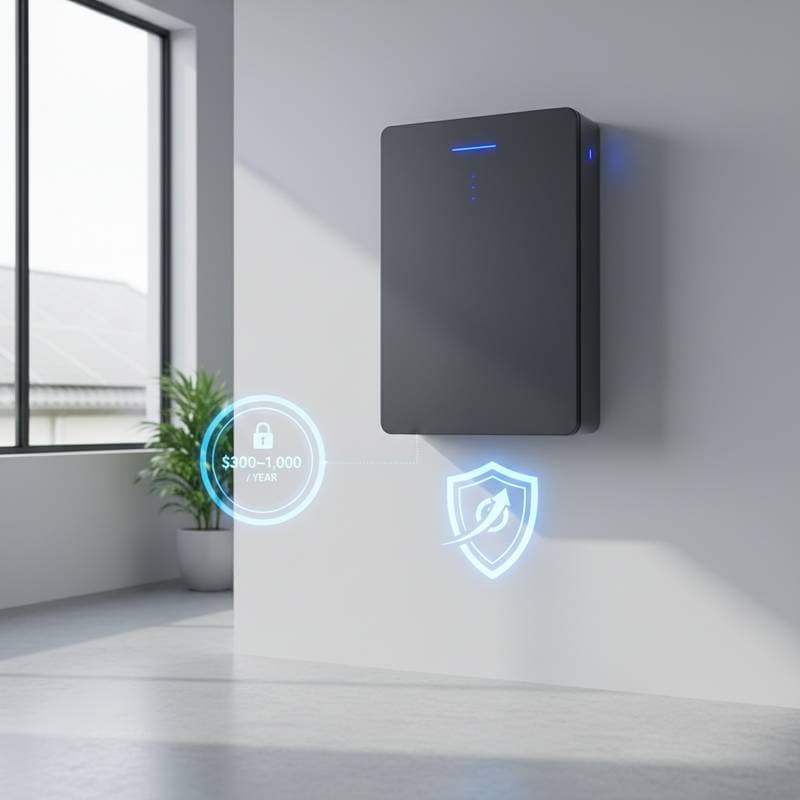
Solar energy systems enable homeowners to store and utilize electricity effectively, decreasing reliance on the grid and lowering utility expenses by as much as 70 percent when integrated with reliable battery storage. Professional solar battery warranty coverage ranges from $300 to $1,000 per year, and most homeowners allocate approximately $550 annually for thorough protection that encompasses both parts and labor.
Three key elements shape the precise expense: battery capacity, coverage extent, and provider category. Systems with greater capacity and advanced lithium-ion models, such as the Tesla Powerwall or LG Chem RESU, demand more extensive warranty options. Variations in regional labor expenses and environmental hazards further influence rates. Data from the Solar Energy Industries Association indicates that appropriate warranty protection extends a solar battery lifespan by up to 25 percent, maintaining optimal performance and return on investment over time.
A warranty plan incorporating solar batteries shields homeowners from unforeseen repair expenses, which frequently amount to thousands of dollars. Such investment guarantees the energy storage system operates efficiently, adheres to regulations, and delivers peak functionality across seasons.
Breaking Down Warranty Expenses
Expenses for solar battery warranty coverage fluctuate based on system configuration, technology, and service provider. Homeowners select from standalone solar battery warranties or home warranty extensions that merge storage safeguards with protections for other essential systems.
Core Pricing Framework
Solar battery warranties generally range from $300 to $1,000 per year, equivalent to $25 to $80 monthly. Certain providers present multi-year options that reduce annual fees by up to 20 percent.
- Minimum service fee: $250 per occurrence for technician visits on site.
- National average: $550 yearly for coverage including parts and labor.
- Pricing distribution: 25th percentile at $375, median at $550, 75th percentile at $850.
Impact of Size and Coverage Scope
The battery capacity significantly affects warranty pricing. Systems below 10 kWh typically incur about $350 annually, whereas installations over 20 kWh may exceed $900 per year. Each additional 5 kWh of capacity increases yearly fees by $75 to $120.
For a 13.5 kWh Tesla Powerwall, anticipate $600 to $700 in annual warranty costs; a dual-battery arrangement might surpass $1,000. Insights from EnergySage reveal that owners of larger systems offset warranty expenses within five years through minimized repair outlays.
Battery Material and Quality Levels
Entry-Level Options:
Batteries from brands like Renogy or ECO-WORTHY, utilizing lithium iron phosphate technology and priced from $2,000 to $3,000, pair with warranty coverage of around $300 per year. These units maintain an average lifespan of 8 to 10 years with regular use.
Mid-Range Choices:
Enphase IQ Battery and Sonnen Eco models, ranging from $6,000 to $9,000, require $400 to $700 annually for warranties. Coverage often extends partial labor support alongside 10-year manufacturer guarantees, available through home warranty services.
Premium Selections:
Advanced systems such as the Tesla Powerwall 2 and LG Chem RESU Prime, costing $10,000 to $13,000, demand $750 to $1,000 yearly for warranties. These include 15-year service extensions and assurances of over 70 percent capacity retention.
Factors Influencing Complexity
Accessibility during installation, wiring setups, and adherence to local codes impact expenses. Properties with batteries in tight spaces or separate structures encounter 10 to 15 percent higher rates due to extended technician efforts.
Areas with elevated inspection costs or technician shortages, including coastal or rural zones, experience premiums of 5 to 20 percent. Homeowner accounts on forums highlight elevated travel fees in isolated areas, underscoring the value of robust warranty plans.
Types of Coverage and Pricing Details
Solar battery safeguards vary from fundamental options to integrated energy oversight packages.
Standard Coverage Essentials
Basic plans address mechanical failures, connection problems, and inverter malfunctions. Included services typically encompass:
- Diagnostic evaluations and voltage assessments.
- Substitution of impaired cells or modules.
- Labor for disassembly and reassembly.
- Yearly performance reviews.
These options cost $300 to $600 per year and fit single-battery setups under 10 kWh. Repair sessions average 2 to 3 hours, with labor at $125 hourly nationwide. Standard plans suit owners focused on component failure prevention over comprehensive guarantees.
Enhanced Comprehensive Options
Full-service plans integrate equipment safeguards with monitoring, surge defenses, and software enhancements. Features often include:
- Continuous remote diagnostics.
- Complimentary firmware upgrades.
- Complete battery replacements for defects.
- Biannual preventive checks.
Such coverage ranges from $750 to $1,000 annually, a 25 to 40 percent increase over basics. Benefits accrue quickly through decreased interruptions and heightened efficiency, often within two years.
Owners dependent on batteries for off-grid or emergency power gain the most from premium selections. Solar Reviews data suggests these warranties elevate property resale value by up to 5 percent for solar-equipped homes.
Bundled Add-Ons and Discounts
Providers frequently discount combinations of solar battery coverage with broader home plans.
| Add-On Service | Annual Cost | Discount Level | Key Benefit |
|---|---|---|---|
| Inverter Protection | $100-$200 | 10% | Secures primary storage element |
| Solar Panel Safeguard | $150-$300 | 15% | Maintains complete energy generation |
| Electrical System Cover | $200-$400 | 20% | Protects linked wiring and circuits |
Integrated plans via services like Choice Home Warranty or Select Home Warranty yield up to 25 percent savings versus individual policies. Unified service scheduling reduces overall downtime and fees.
Weighing Professional Service Against DIY Approaches
DIY Expense Overview
Self-managed repairs require tools, parts, and protective equipment.
- Parts: Modules or inverters range from $400 to $1,200 apiece.
- Tools: Multimeters, gloves, and testers total $150 to $300.
- Rentals: Equipment for handling adds $75 daily.
- Time: Allocate 6 to 8 hours for diagnosis and fixes.
Per-incident costs span $700 to $1,800, disregarding time value. Errors risk electrical faults or regulatory breaches that invalidate warranties. Although forum users report occasional successes, experts recommend professional handling for high-voltage lithium setups.
Benefits of Professional Expertise
Certified technicians provide safety, regulatory compliance, and sustained reliability. They utilize specialized software and training for precise repairs. A single professional visit costs $300 to $600 but incorporates warranty adherence, precise tools, and liability safeguards valued in thousands.
Repairs complete in 1 to 2 hours, preserving time and warranty status. Energy.gov notes that professional upkeep boosts battery efficiency by 10 to 15 percent over independent efforts.
Choosing the Right Path
Reserve DIY for simple tasks like voltage checks or terminal cleaning. Opt for professionals on wiring, software, or part replacements to avoid costly errors. Overall, professional warranties prove more economical than potential mishap expenses.
Strategies to Minimize Warranty Costs
Optimal Scheduling
Demand for solar services surges in summer and winter, inflating rates. Arrange checks in spring or fall to cut fees by 10 to 20 percent. Midweek bookings evade weekend premiums of $50 or more.
Effective Provider Selection
Obtain quotes from at least three sources via platforms like HomeAdvisor or Angi. Many match competitors or offer 5 to 10 percent renewal incentives. Annual payments trim costs by another 10 percent.
Acquire components directly from manufacturers to bypass retailer surcharges.
Pre-Visit Preparations
Clean enclosures, secure access, and log performance data before inspections. These actions shorten labor by 30 minutes per visit, saving $50 to $100 yearly. Precise provider communication prevents redundant calls and additional charges.
Regional and Market Influences on Pricing
Location-Based Differences
Urban coastal cities with steep labor costs impose 15 to 25 percent premiums over national averages. Rural spots offer modest savings but limited providers, potentially delaying responses.
In hot climates, include thermal protection; cold areas require heating safeguards to avert capacity decline.
Economic and Supply Factors
Fluctuations in supply chains and materials affect replacement prices, heightening warranty value. Technician shortages raise rates by 8 percent in select areas, favoring fixed warranties for predictability.
Assessing Long-Term Value
Transferable warranties enhance property appeal. Zillow and Solar United Neighbors data show solar homes with warranties sell 3 to 5 percent faster at premium prices. Energy autonomy paired with assured performance yields over $2,000 in repair savings across a decade.
Securing Long-Term Solar Reliability
Selecting the appropriate warranty aligns protection with your home's energy needs, ensuring sustained savings and system durability. Evaluate capacity, coverage tiers, and bundles to match your setup. Professional safeguards not only mitigate risks but also amplify the overall benefits of solar investment, fostering confidence in your energy future.