Understanding 2026 Solar Panel Warranties: Inverter Coverage and Transfer Options
Solar panel warranties serve as essential safeguards for your renewable energy investment. These agreements now extend robust protection to inverters and allow seamless transfers to new property owners. This coverage ensures long-term reliability and preserves the value of your solar system.
Core Components of Solar Panel Warranties
A solar panel warranty represents a formal commitment from the manufacturer or installer to uphold defined standards of performance and quality. It typically comprises two primary elements: the product warranty, which addresses defects in materials or manufacturing, and the performance warranty, which assures a specified level of energy production over the system's lifespan.
Many modern warranties also encompass inverters, batteries, and labor for repairs. Inverter coverage has become standard in 2026 models, protecting against failures in the device that converts direct current to alternating current. This comprehensive approach shields homeowners from unexpected breakdowns and supports higher resale values when selling the property.
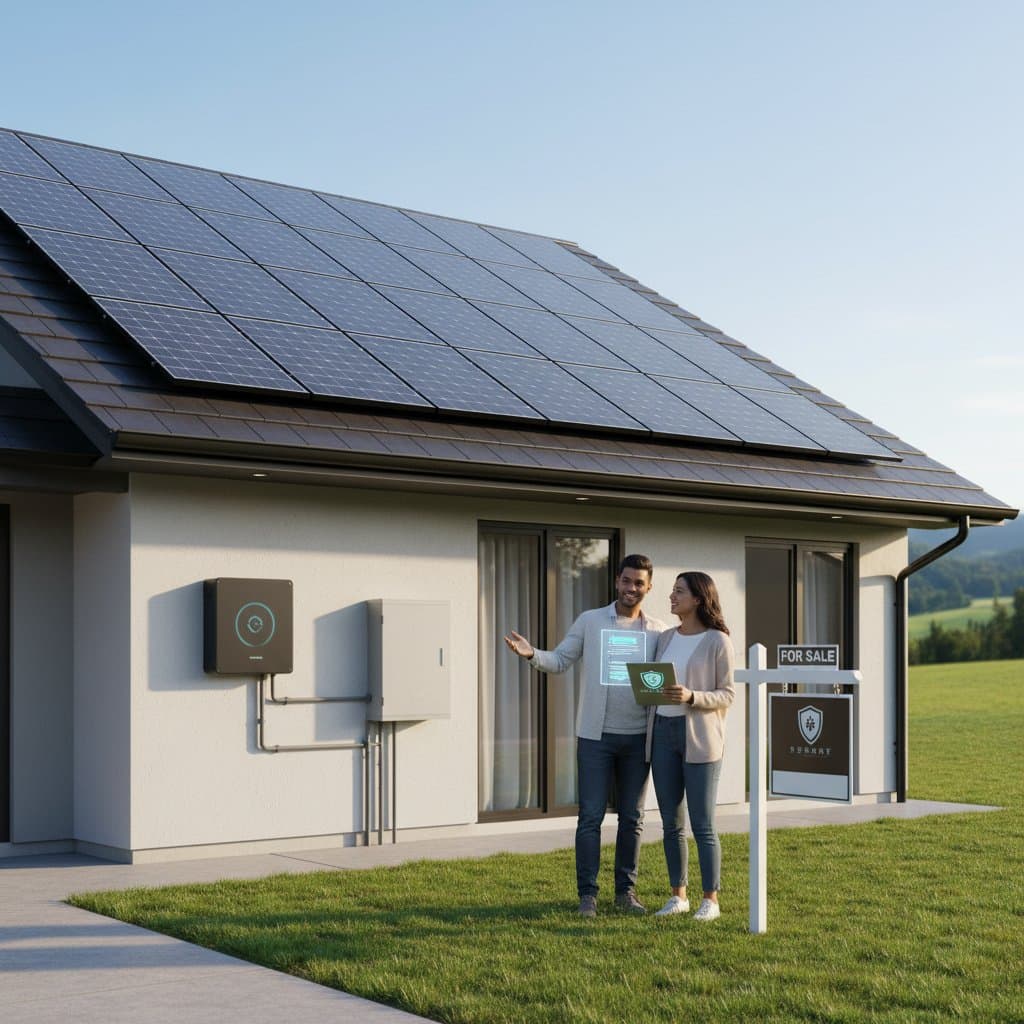
Transferability adds further value, as warranties often follow the home rather than the original owner. Verify this feature during purchase, as it can influence future marketability.
Indicators Requiring Warranty Service
Monitor your system closely for potential issues that may necessitate a claim. A decline in power output exceeding 15 percent from projected levels signals a problem. Physical damage, such as cracks, hot spots, or discoloration on panels, demands attention.
Inverter malfunctions appear as error codes on the display or complete cessation of output. Structural concerns include loose conduits, fractured clamps, or leaks around roof mounts. Batteries that fail to retain charge or degrade prematurely also qualify for service.
Document all observations with photographs and data from your monitoring application. Contact the installer promptly without attempting repairs, as unauthorized work can invalidate coverage.
The Warranty Claim Process
Initiating a claim begins with gathering documentation, including the original purchase agreement, installation records, and evidence of the issue. Submit these materials to the manufacturer or installer via their designated portal or hotline.
Expect an initial assessment, often involving remote diagnostics through your system's app. If on-site evaluation proves necessary, a technician will inspect the equipment. Claims typically process within 30 to 60 days, with repairs or replacements covered under the warranty terms.
To expedite resolution, maintain detailed logs of system performance. Common delays arise from incomplete paperwork or scheduling conflicts in remote areas.
Financial Aspects and Influencing Factors
Warranty coverage integrates into the overall system cost without separate fees in most cases. Residential solar installations range from $15,000 to $30,000, encompassing standard protections.
Optional extensions, such as inverter warranties adding five to ten years, cost $500 to $1,000. Battery upgrades run $800 to $2,000, while labor plans for technician visits fall between $300 and $600. Permits and inspections add $150 to $500, and service minimums in rural locations contribute $100 to $250.
Key variables include system capacity, brand reputation, roof configuration, regional labor expenses, proximity to service providers, and additions like energy storage. Evaluate these during planning to optimize total investment.
| Line Item | Typical Range | Notes |
|---|---|---|
| Complete solar system (residential) | $15,000 to $30,000 | Includes base warranties |
| Extended inverter warranty | $500 to $1,000 | Extends beyond standard term |
| Battery system warranty upgrade | $800 to $2,000 | Focuses on capacity retention |
| Labor-only service plan | $300 to $600 | Handles repair visits |
| Permit and inspection fees | $150 to $500 | Varies by locality |
| Travel and service minimums | $100 to $250 | Higher in remote areas |
Safety Protocols and Compliance Essentials
Prioritize safety during any system interaction. Disconnect power sources before inspections to prevent electrical hazards. Employ fall protection gear for roof access.
Avoid tampering with inverters or batteries unless certified. Most areas mandate permits for electrical modifications. Adhere to fire safety by ensuring adequate battery ventilation and clearance.
Trim surrounding vegetation to mitigate fire risks near the array. During inspections, authorities verify panel labels, conduit shielding, and disconnect accessibility. Non-compliance can postpone warranty activation until rectified.
Regional and Environmental Considerations
Adapt your system to local conditions for optimal performance and warranty adherence. In hot regions, select panels with low temperature coefficients to counteract efficiency losses. Cold areas demand snow-load rated designs and sturdy mounting.
Coastal or humid environments require corrosion-resistant materials like stainless steel fasteners. Arid zones call for regular dust removal to sustain output. Wildfire zones benefit from flame-retardant components and tempered glass.
Local codes dictate grounding standards, spacing, and labeling. Some jurisdictions insist on licensed electricians for all connections. Opt for anodized aluminum in salty air and anti-reflective surfaces in intense sunlight.
Schedule installations in moderate seasons like spring or fall to minimize weather-related setbacks. Agencies process permits more swiftly during these periods.
Maintenance Practices to Preserve Coverage
Regular upkeep ensures warranty validity and system efficiency. Clean panels quarterly to remove debris, using soft brushes and deionized water. Inspect mounts and wiring annually for wear.
Monitor output via apps to detect early degradation. Schedule professional inspections every two years, focusing on seals, connections, and inverter function.
Avoid actions that void protection, such as unauthorized modifications, neglect of roof repairs, or exposure to non-standard conditions. Keep records of all maintenance to support claims.
Transferring Warranties to New Owners
Transferable warranties enhance property appeal. Most 2026 models allow this shift upon home sale, provided the new owner registers within 30 days.
Confirm transfer terms in the contract, including any fees or conditions like system inspections. Non-transferable policies limit benefits to the original purchaser, reducing resale leverage.
During real estate transactions, highlight warranty details to buyers. This feature underscores the enduring value of solar investments.
Key Terminology
- Product warranty: Protection against material or manufacturing flaws.
- Performance warranty: Assurance of minimum power output over time.
- Inverter: Converter of DC to AC electricity for household use.
- Mounting hardware: Framework securing panels to roofs or ground.
- Degradation rate: Yearly decline in panel efficiency.
- Linear warranty: Gradual adjustment of performance expectations annually.
- Transferability: Provision for warranty continuity with property sales.
- Workmanship warranty: Installer's assurance on labor and installations.
- Claim process: Procedure for validating and obtaining warranty services.
- Capacity retention: Battery's stored energy relative to initial capacity.
- Hot spot: Area of concentrated heat causing panel damage.
Securing Long-Term Solar Benefits
Maximize warranty advantages by retaining all paperwork, tracking performance routinely, and conducting scheduled checks. Register with manufacturers and installers immediately after setup.
When evaluating systems, request detailed warranty outlines in writing. These protections extend beyond repairs to foster dependable energy generation and bolster home equity for years ahead.