
Articles tagged with wildfire protection
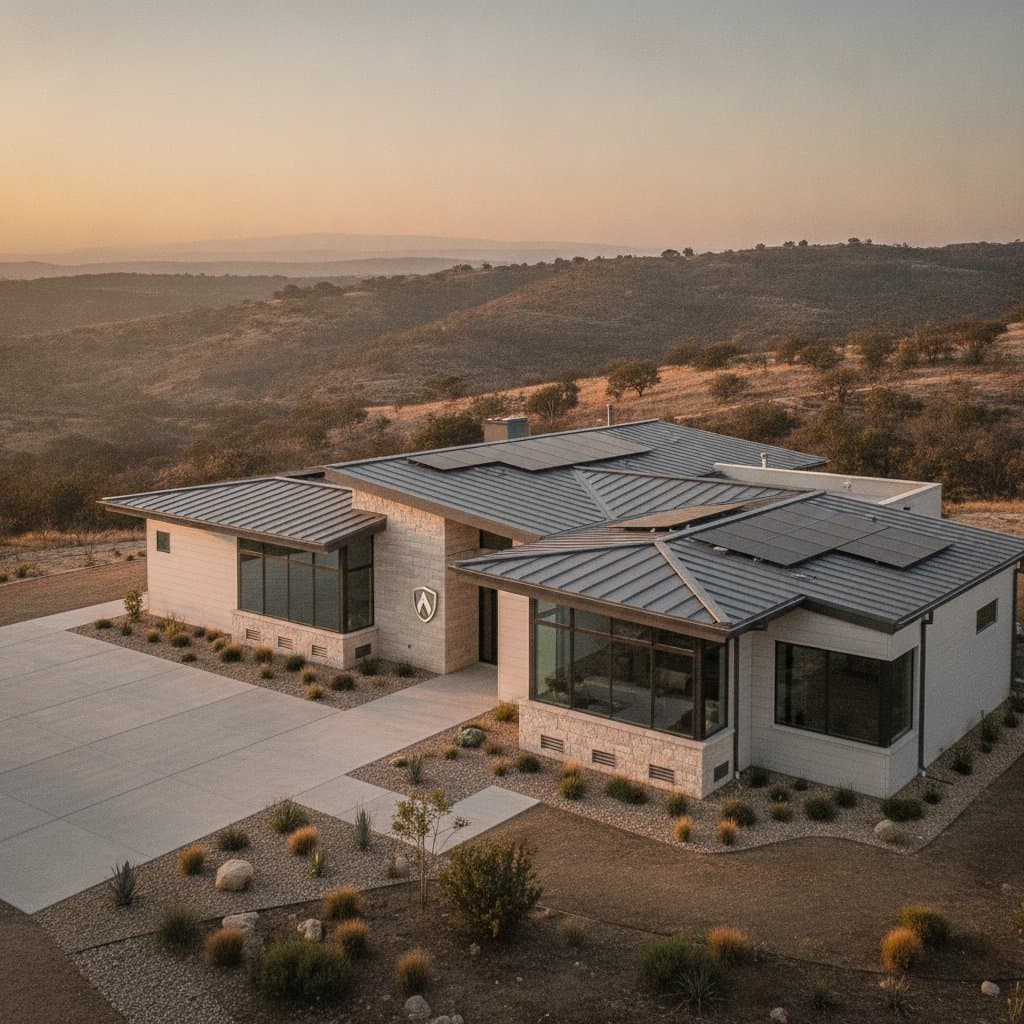
Discover how wildfire resistant materials can cut insurance premiums up to 20 percent while safeguarding your home. Learn which products qualify, what they cost, and how to retrofit safely. From Class A roofing to ember proof vents, this 2026 guide explains smart upgrades, code requirements, and maintenance tips for fire prone properties.
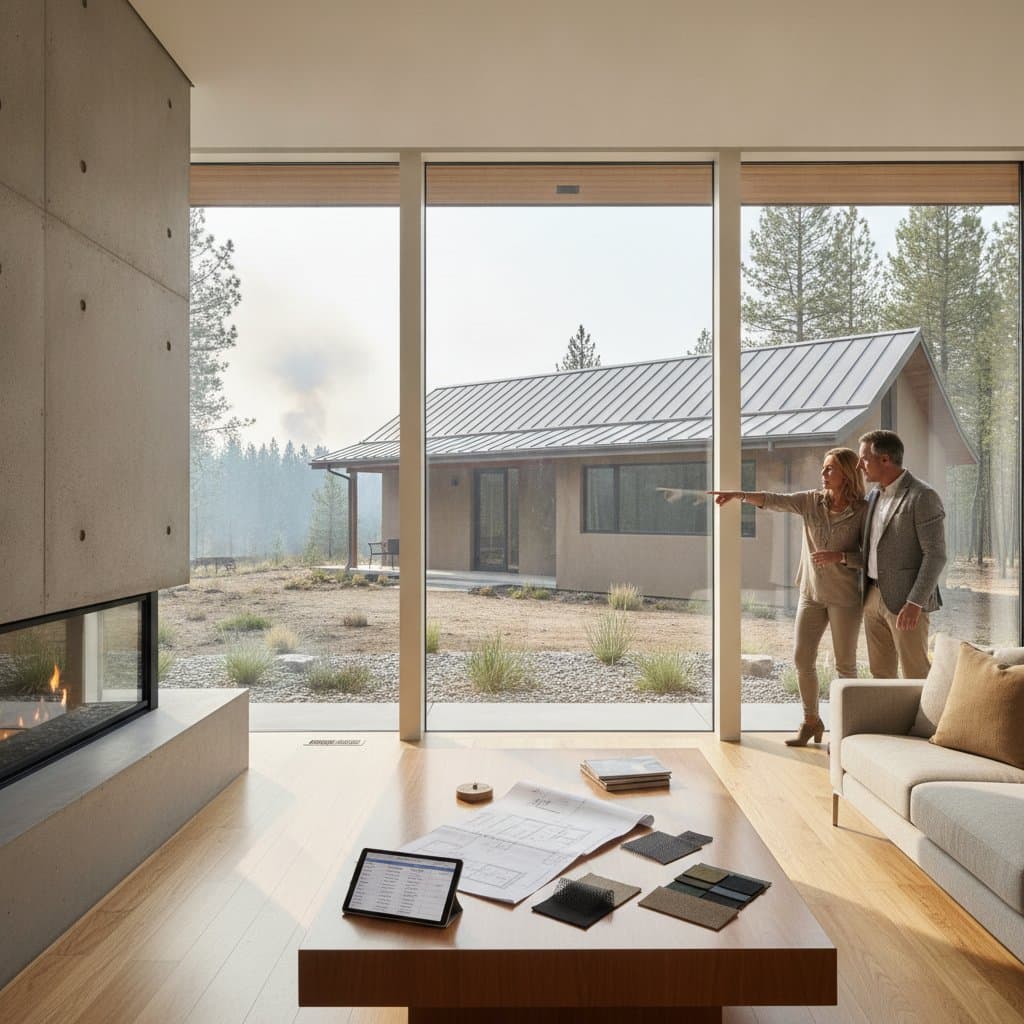
Wildfire threats continue to grow. Retrofitting strengthens homes through targeted upgrades that reduce ignition risk. This guide outlines current costs, material choices, permit steps, and maintenance practices that support insurance compliance and long-term resilience.
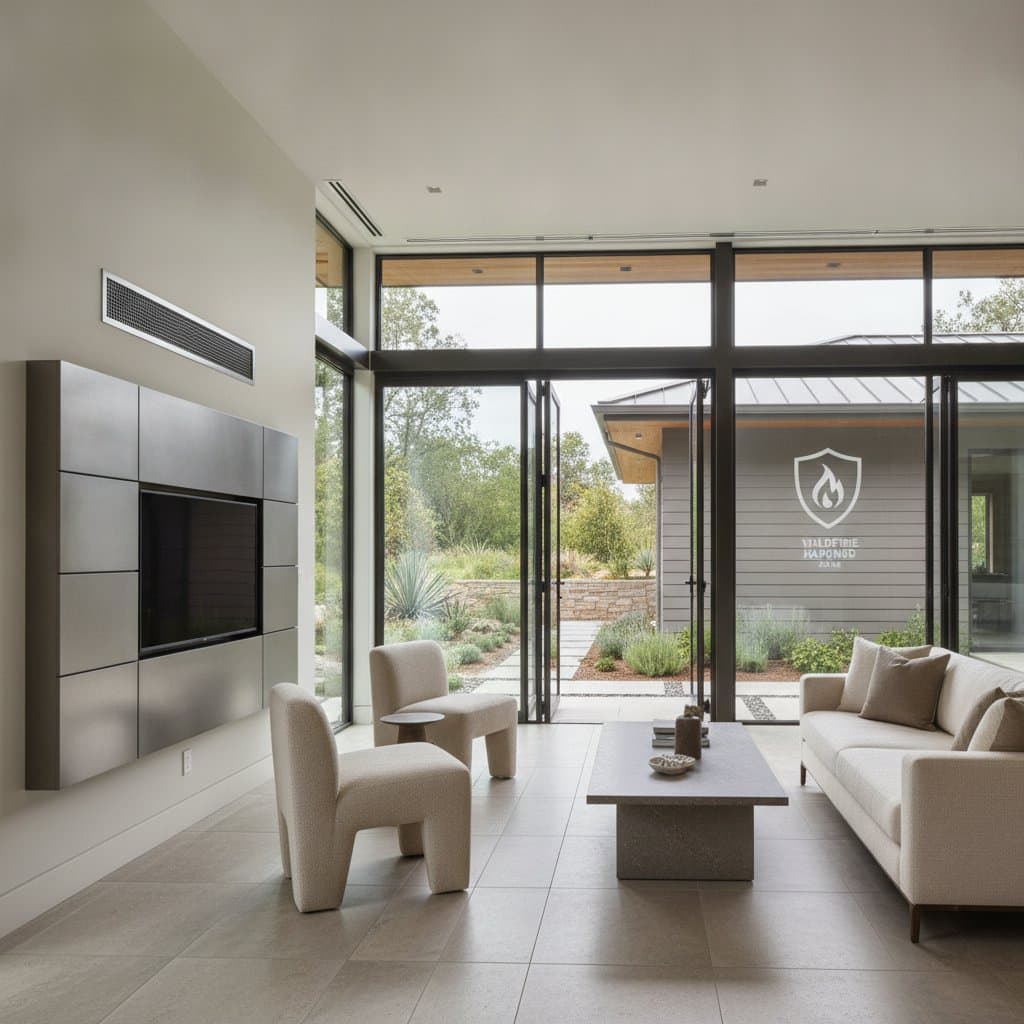
Review what it takes to protect a home from wildfire risk in 2026. This guide presents cost ranges, insurance incentives, and practical steps for fire-resistant roofs, vents, siding, and defensible space.
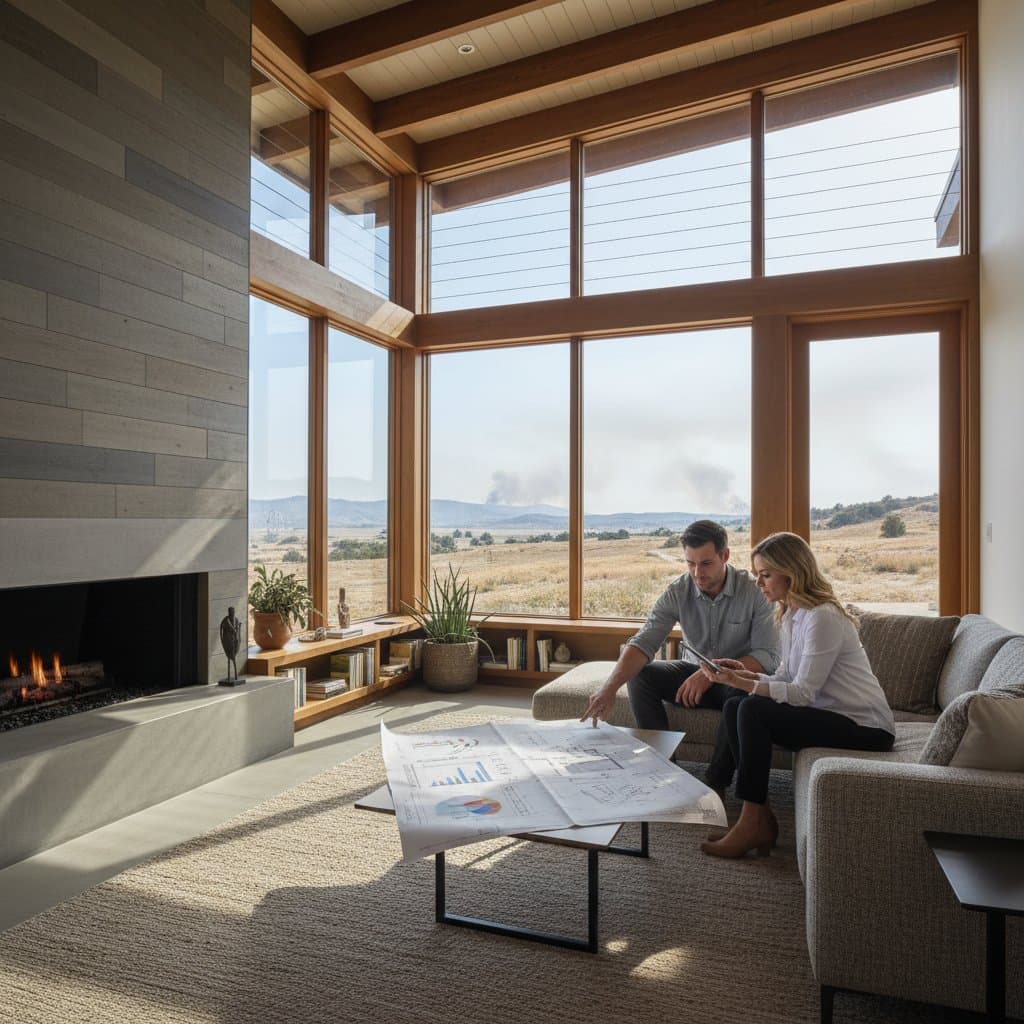
Home hardening upgrades reduce ignition risk through targeted improvements to roofing, siding, vents, and landscaping. Costs vary by region and material, yet documented savings in insurance and repairs often offset the investment when projects follow verified standards.
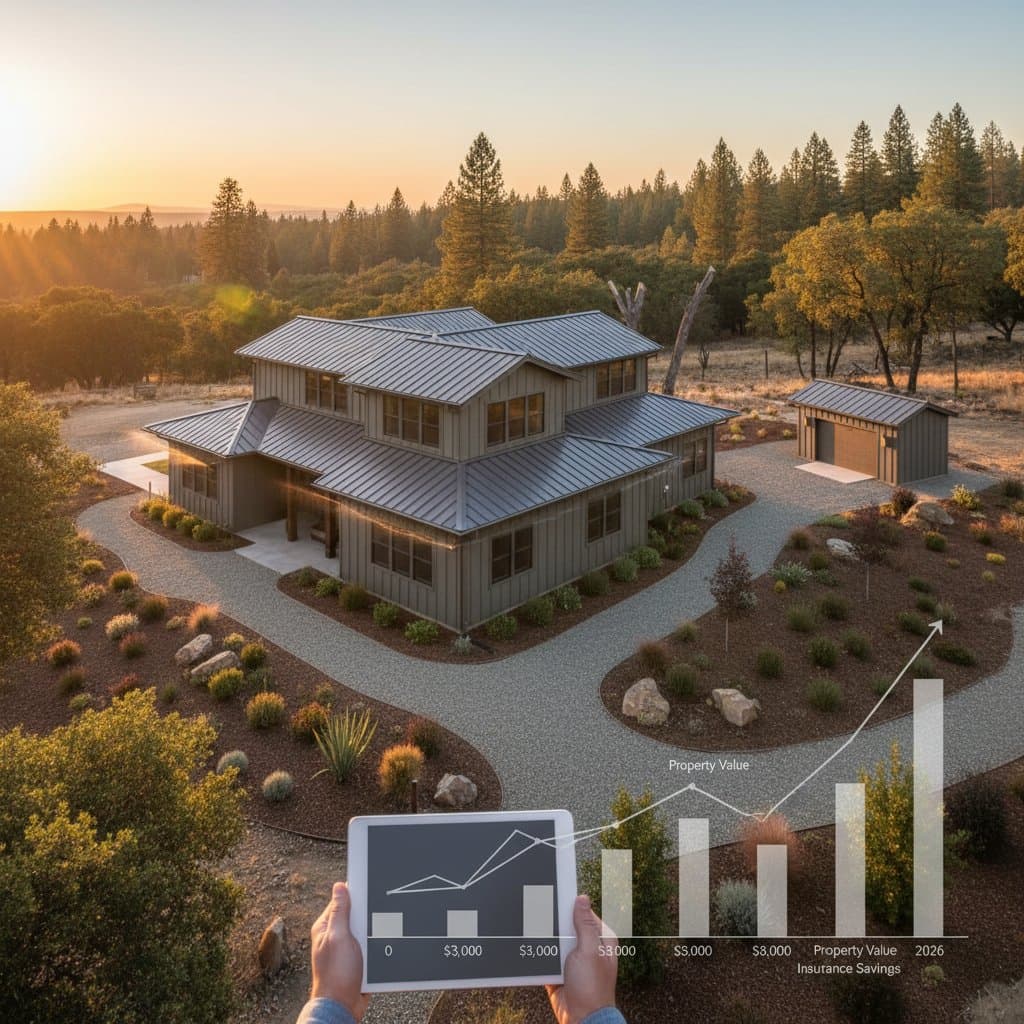
Wildfire protection upgrades fortify homes against embers and radiant heat, with average costs between $3,000 and $25,000. These enhancements, from Class A roofing to defensible space creation, minimize ignition risks, yield insurance discounts, and increase property values. Discover DIY options, professional recommendations, and strategies for building long-term resilience.
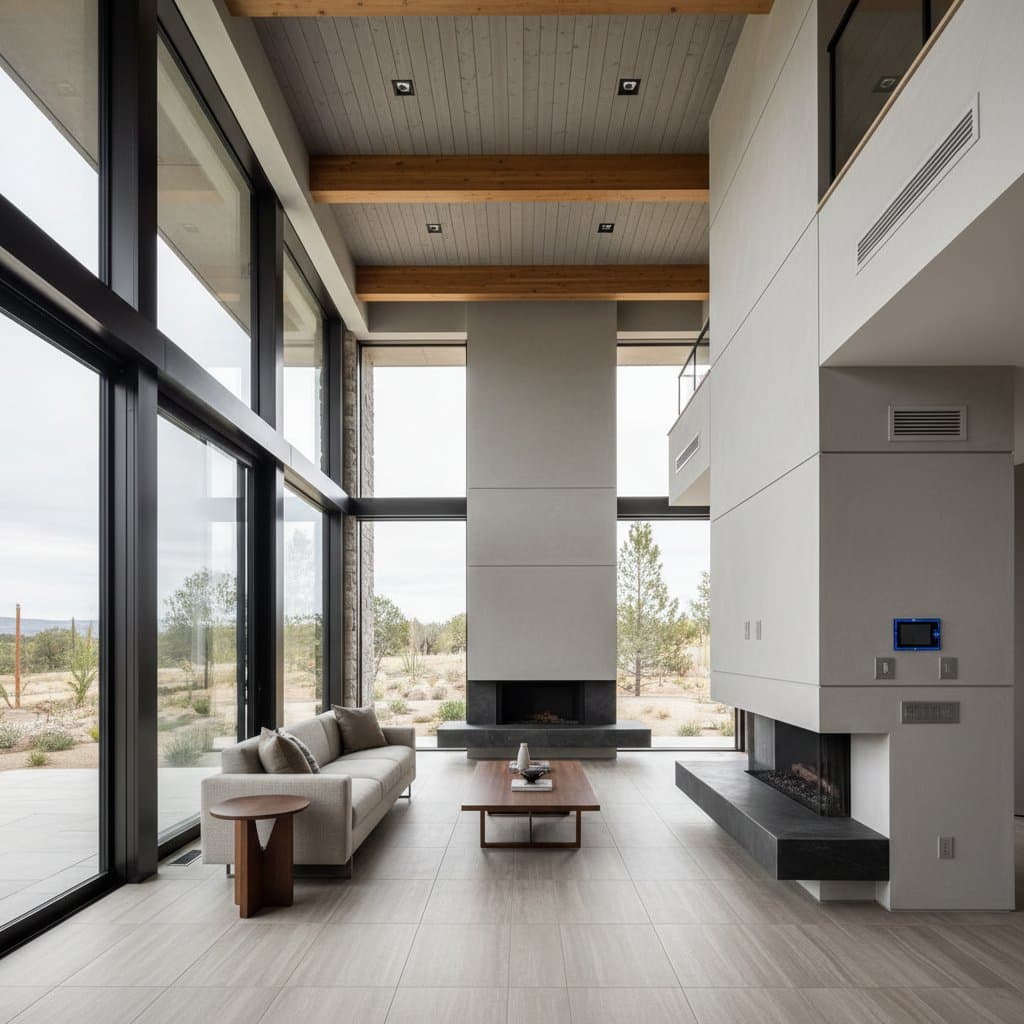
With wildfire threats expanding, 2026 homes demand robust fire-resistant upgrades to shield structures, align with updated regulations, and maintain insurability. Explore options like Class A roofing and ember-proof vents, alongside costs, DIY versus professional decisions, and upkeep routines for enduring, compliant safeguards.
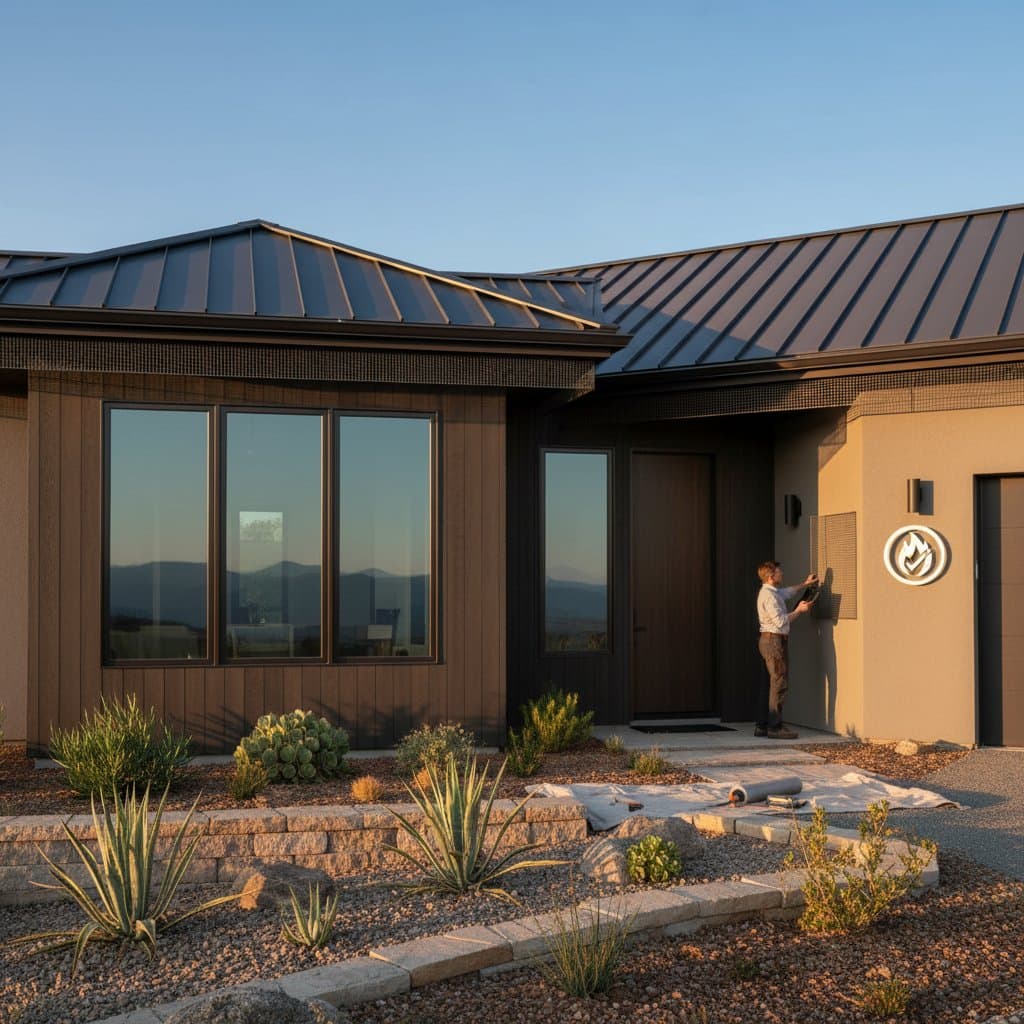
In 2026, wildfire-proofing a home averages $21,500, covering essentials from vent screens to comprehensive exterior upgrades. Expenses differ based on materials, project scale, and region, potentially increasing resale value by up to 7 percent. Explore strategies to blend DIY efforts with professional services, optimize savings, and meet advancing fire-safety regulations.
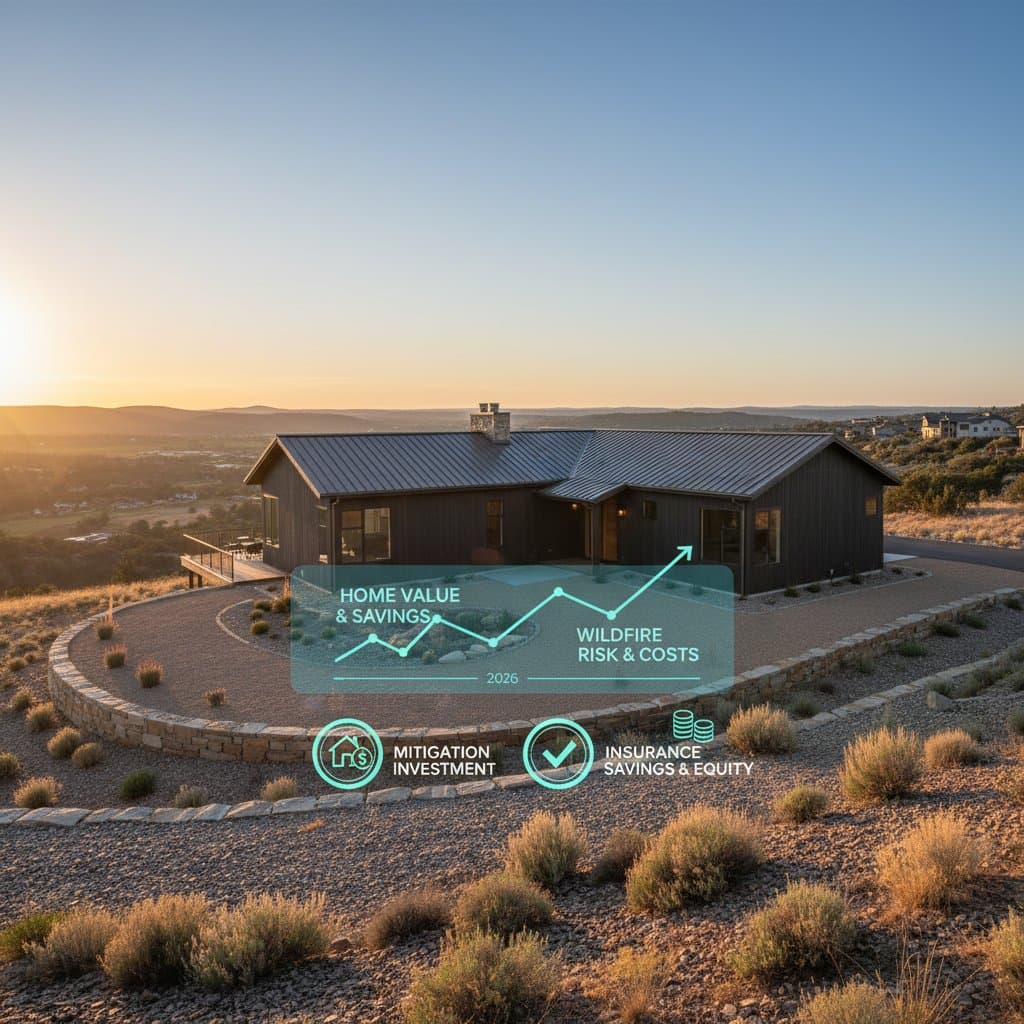
Rising wildfire dangers prompt homeowners to adopt fire-resistant upgrades and defensible spaces. This overview details 2026 pricing, implementation processes, insurance advantages, and return calculations to guide protective investments.

In 2026, wildfire-proofing a home ranges from $6,000 to $60,000 based on property size, chosen materials, and local fire hazards. Upgrades such as Class A roofing, ember-resistant vents, and defensible space zones enhance protection. This guide details prioritization strategies, the balance between DIY efforts and professional services, and ongoing maintenance for enduring fire resilience.
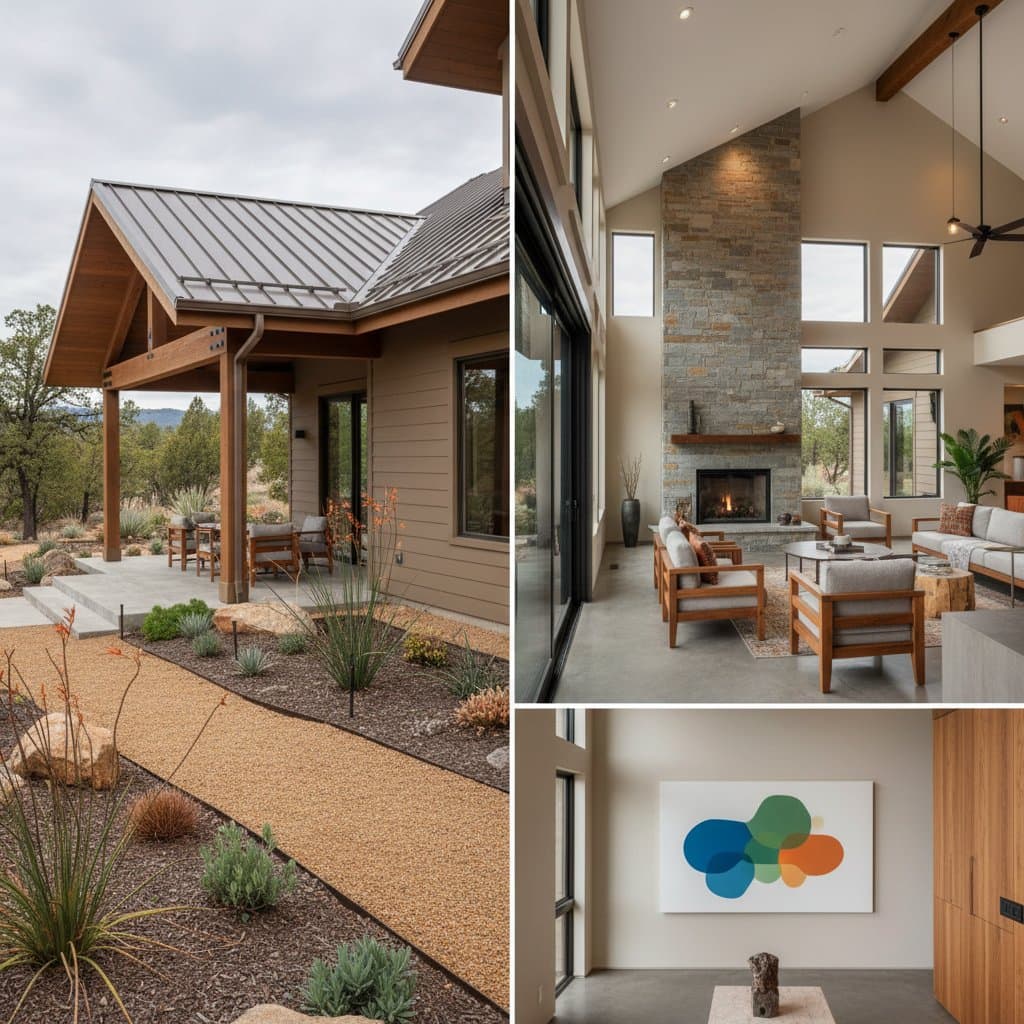
Making a home resistant to wildfires typically costs between $10,000 and $60,000, depending on the property. Key enhancements such as Class A roofing, ember-resistant vents, and creating defensible space significantly lower risks. This guide details expenses, do-it-yourself possibilities, and professional recommendations to improve safety, build resilience, and safeguard property value amid rising fire threats.
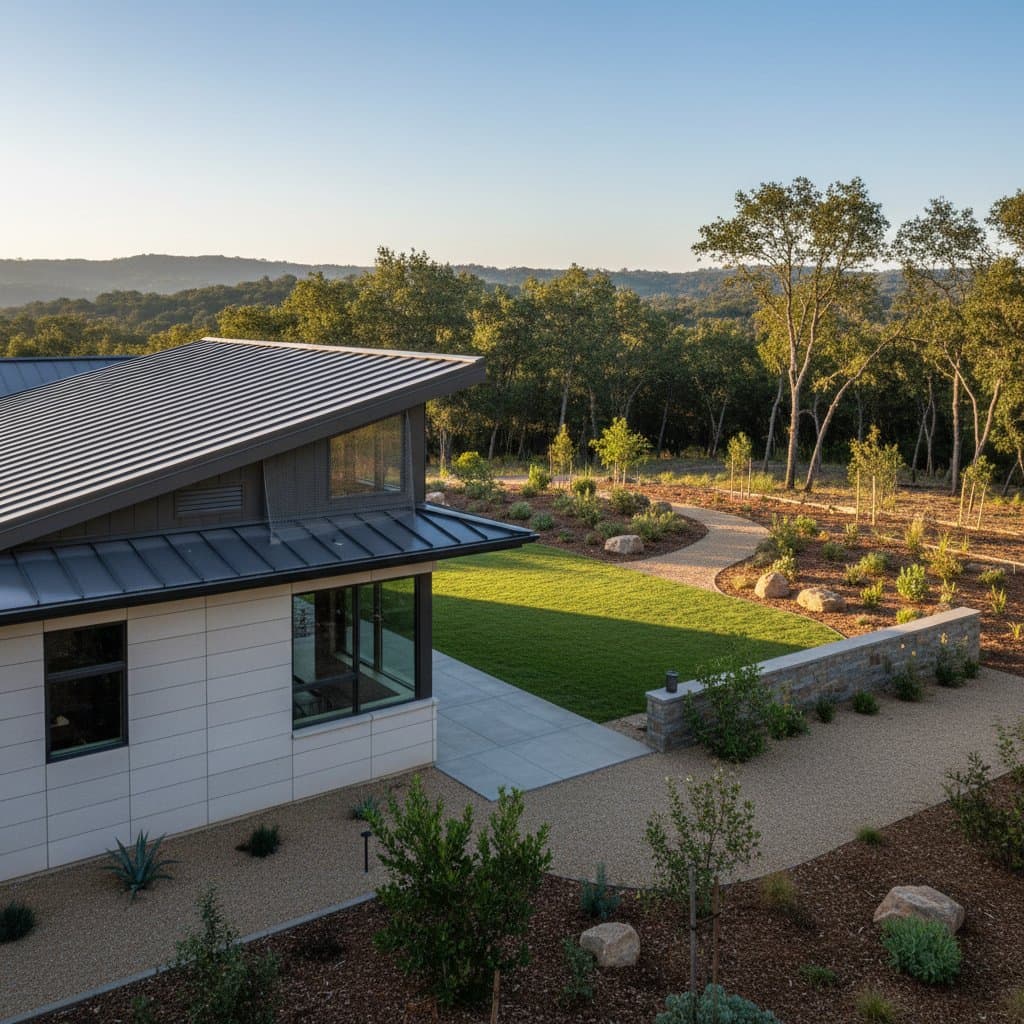
In 2026, wildfire resilience demands a three-tier strategy beyond basic fireproofing. This includes structural hardening, attachment protections, and perimeter clearances to minimize ignition, align with WUI standards, and safeguard properties against evolving threats. Discover practical steps, costs, and tips for implementation.
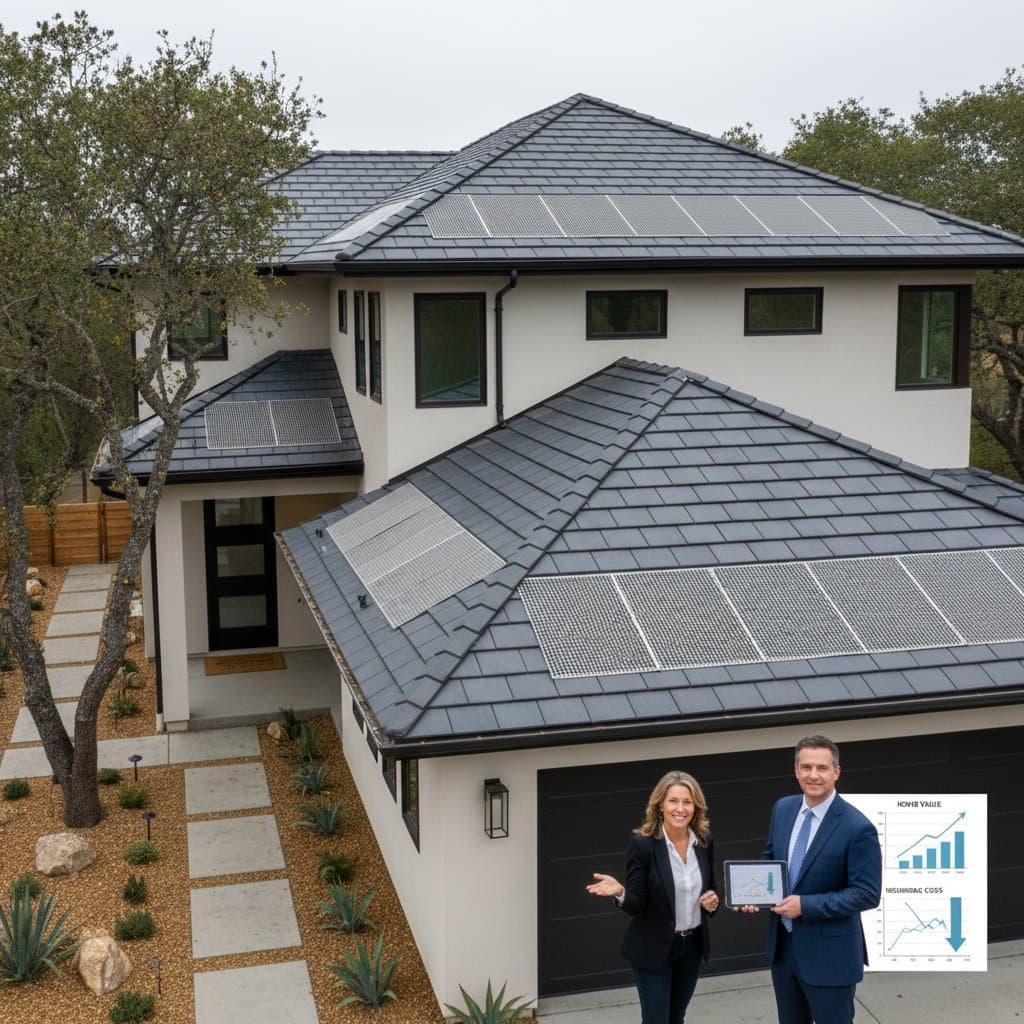
Safeguard your residence from wildfire threats using 2026 fire-resistant materials and strategic coverage approaches. Discover Class A roofs, ember-resistant vents, and defensible space techniques that diminish ignition probabilities, reduce insurance expenses, and elevate property worth. This comprehensive guide details DIY modifications and professional enhancements for robust wildfire defense.
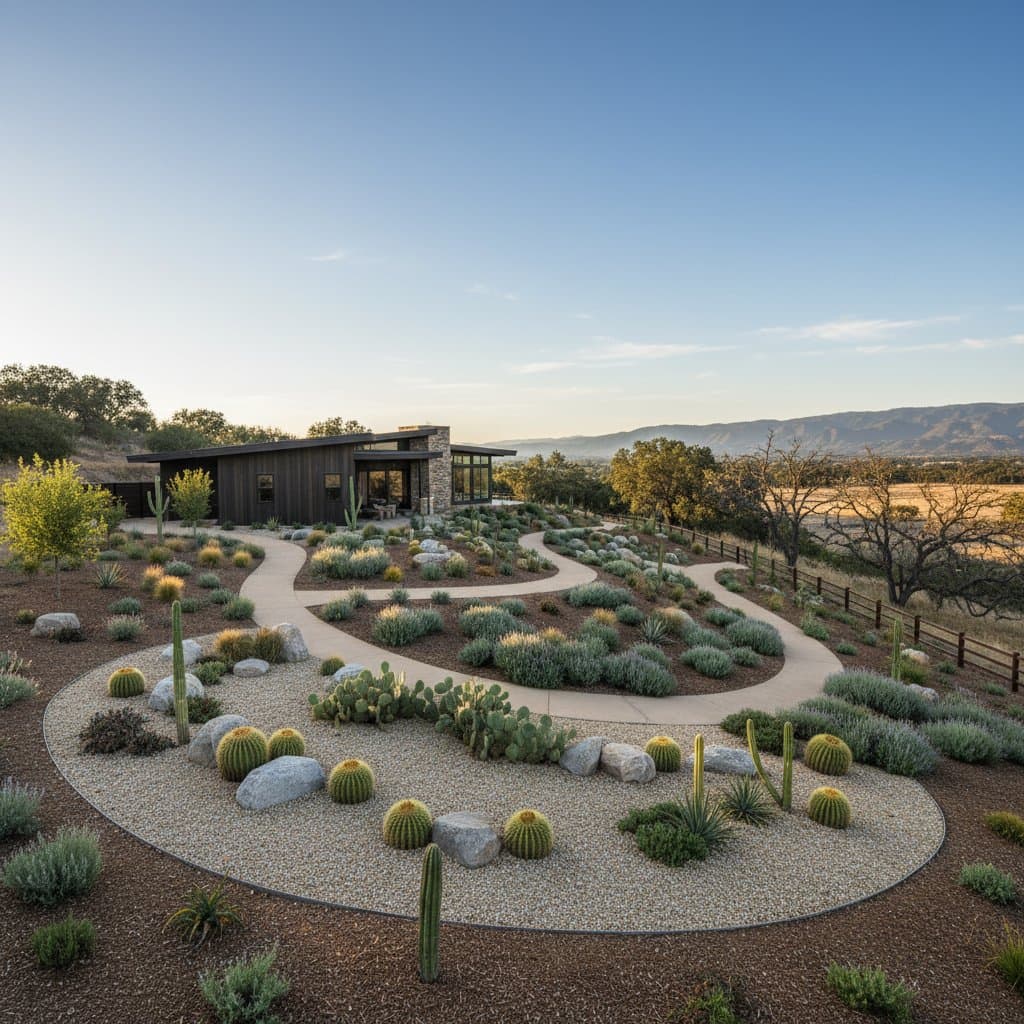
Enhance home safety in wildfire zones through strategic use of fire-resistant plants. These moisture-rich species slow fire spread, demand minimal upkeep, and blend beauty with protection. Discover recommended varieties, budgeting insights, and maintenance essentials to build a durable barrier against flames.
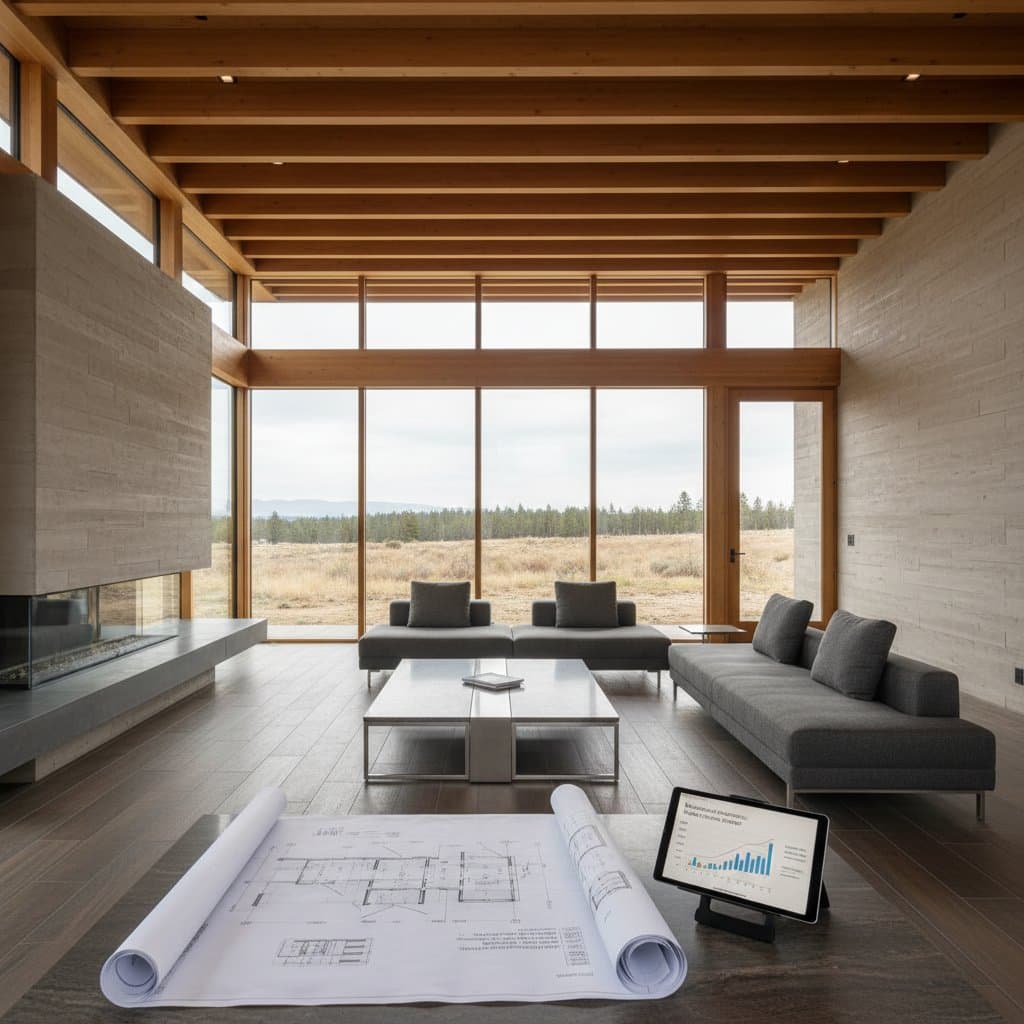
In 2025, constructing a wildfire-resistant home ranges from $350 to $700 per square foot, with a typical 2,000-square-foot build averaging $950,000. Factors such as size, materials, and location influence expenses, yet professional builds provide lifetime warranties, lower insurance rates, and up to 85 percent fewer fire-related losses, positioning safety as a wise financial choice.