
Articles tagged with appliance
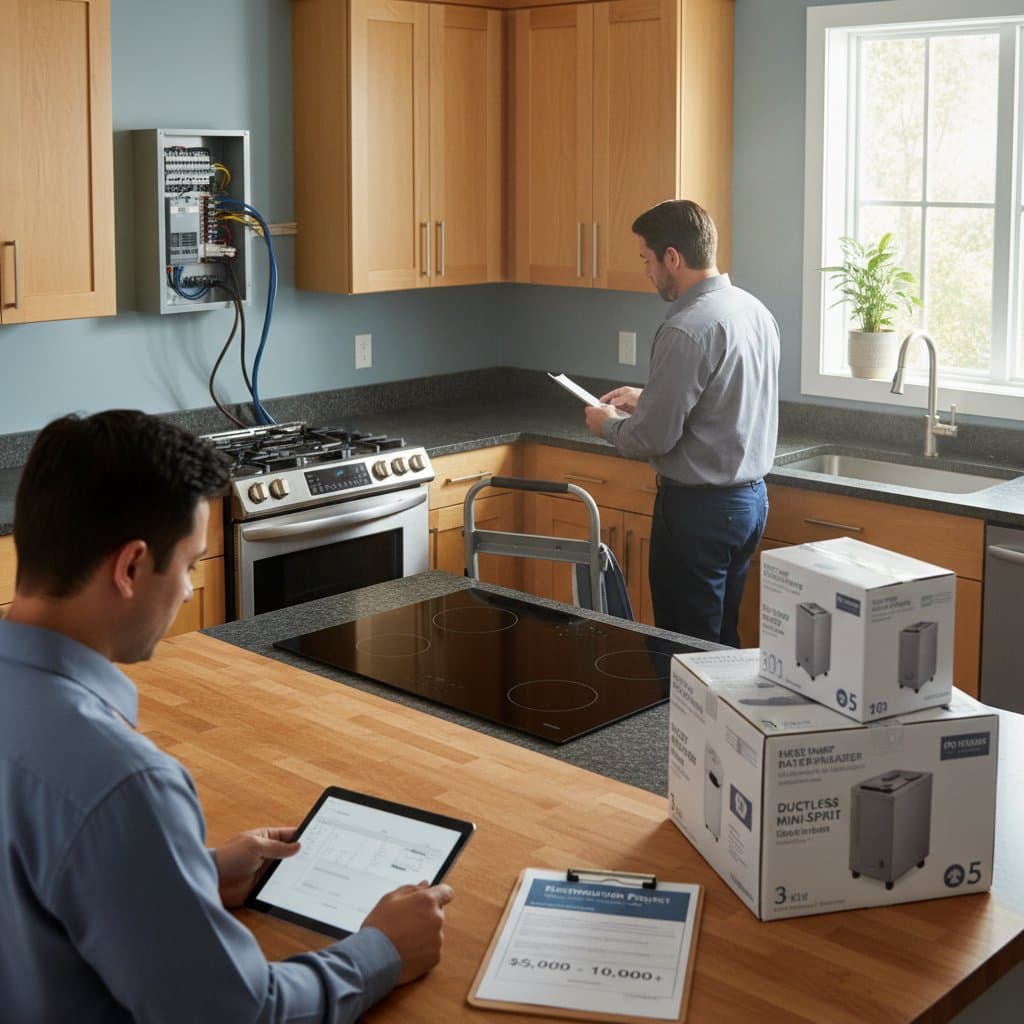
Converting gas appliances to electric by 2026 requires infrastructure updates, safety checks, and efficiency improvements. Costs typically range from $6,000 to $15,000. Careful planning, professional assessments, and available rebates help homeowners control expenses and secure long-term energy savings.

Switching from gas to electric appliances can cut emissions, improve air quality, and simplify home maintenance. This guide explains project scope, costs, and timelines, detailing when to hire professionals, required upgrades, and safety codes.

With AI appliances integrating into daily life, home warranties adapt to cover mechanical essentials while often excluding software and network elements. Premium plans address smart features, but exclusions persist. This guide details coverage review processes, provider comparisons, and strategies to safeguard against unexpected expenses in 2026.
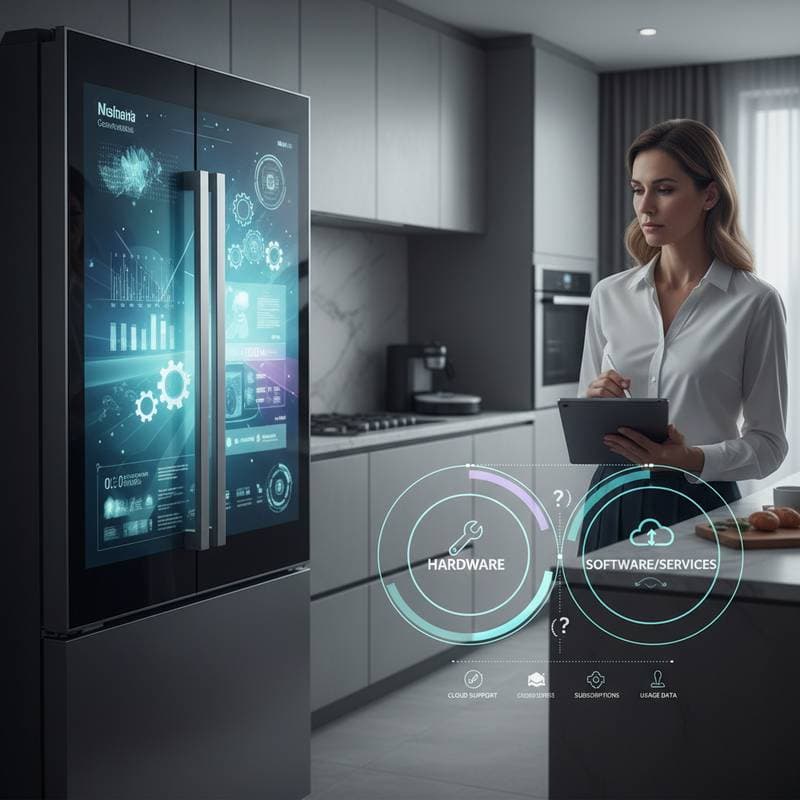
AI-powered appliances are transforming households, but their warranties must now address the divide between hardware failures and software updates. By 2026, expect bifurcated coverage for physical components and digital features, influenced by subscriptions and data usage, requiring careful review of terms to safeguard home investments.
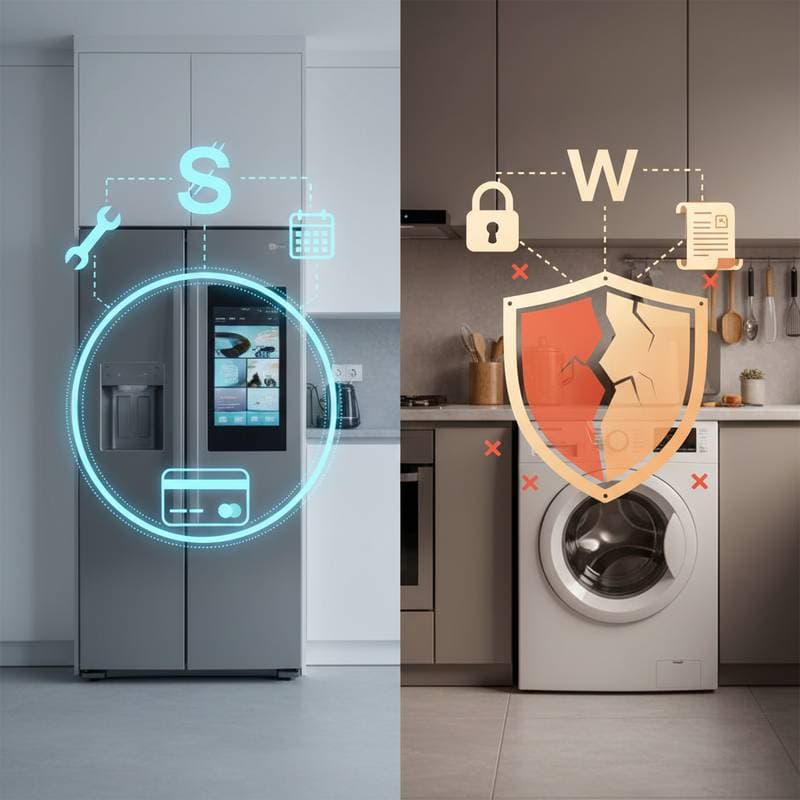
Appliance subscriptions provide ownership-free access with included services at higher monthly rates, while home warranties offer affordable protection for your appliances with claim deductibles and exclusions. Discover key differences in costs, convenience, and coverage to make an informed choice for your household needs.
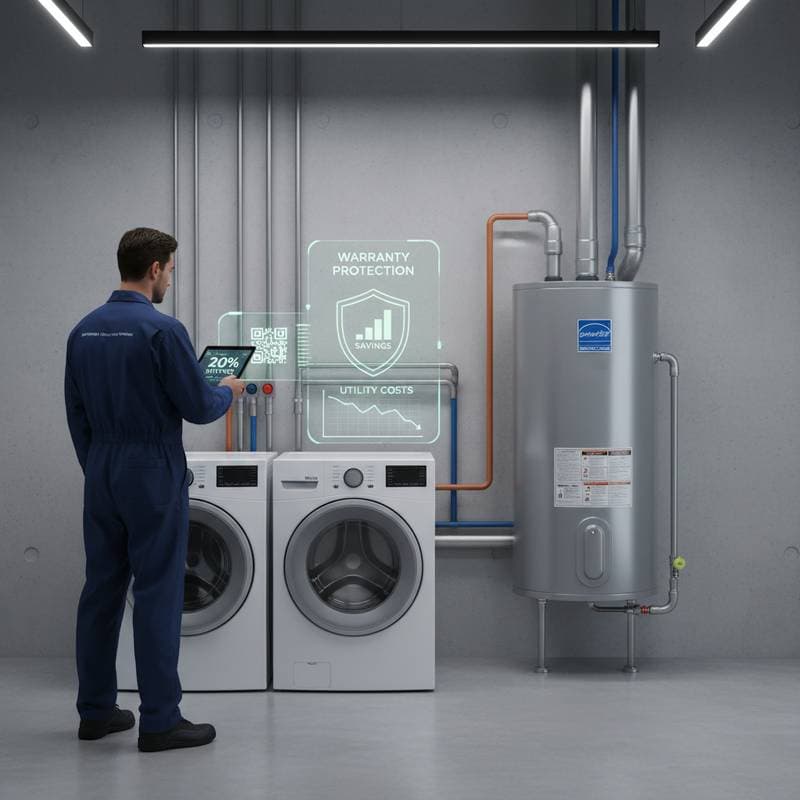
Energy efficiency coverage in appliance warranties maintains optimal performance and certified energy standards. This protection prevents cost increases from component failures, ensures regulatory compliance, and boosts resale value. Homeowners gain a smart investment that balances financial protection with environmental benefits and dependable efficiency.
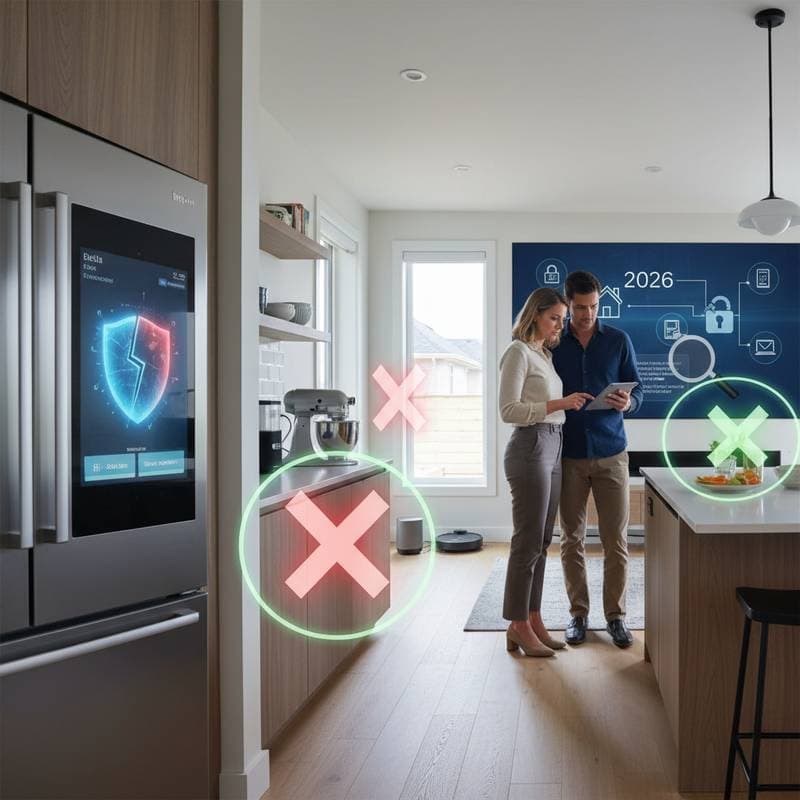
Beginning in 2026, home warranties exclude coverage for AI-enabled devices owing to software unpredictability, cybersecurity vulnerabilities, and diagnostic complexities. Mechanical elements stay protected, while intelligent features do not. Homeowners should examine policies, distinguish digital from physical aspects, and evaluate manufacturer or specialized support plans for comprehensive safeguards.
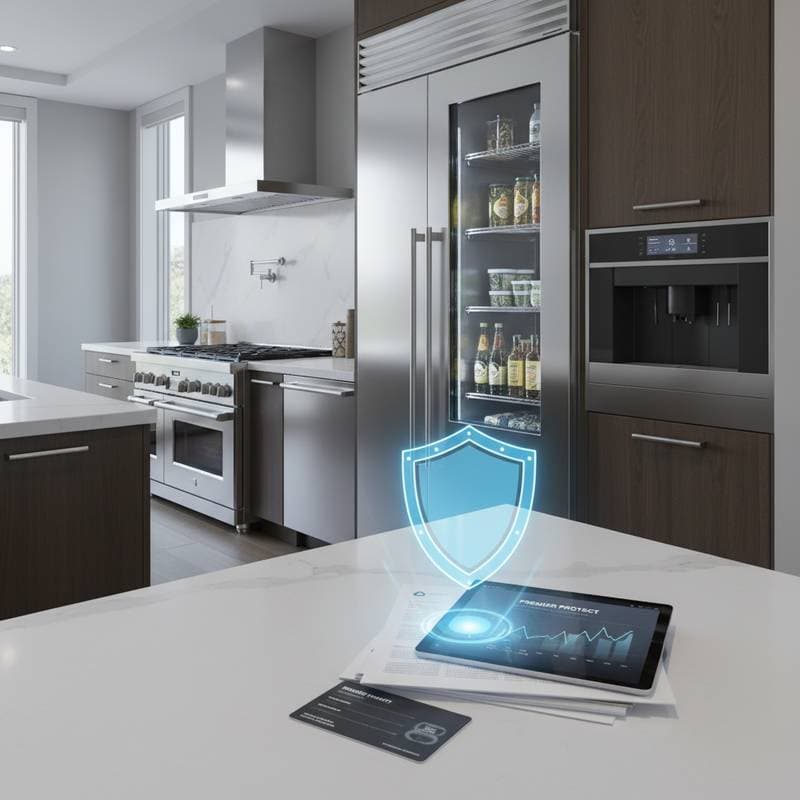
Luxury appliances elevate home functionality yet increase repair expenses. Home warranties offer potential safeguards, provided they match your specific brands, proper installation, and financial considerations. Explore coverage boundaries, service costs, upkeep requirements, and scenarios where manufacturer extensions or retailer plans provide superior alternatives.
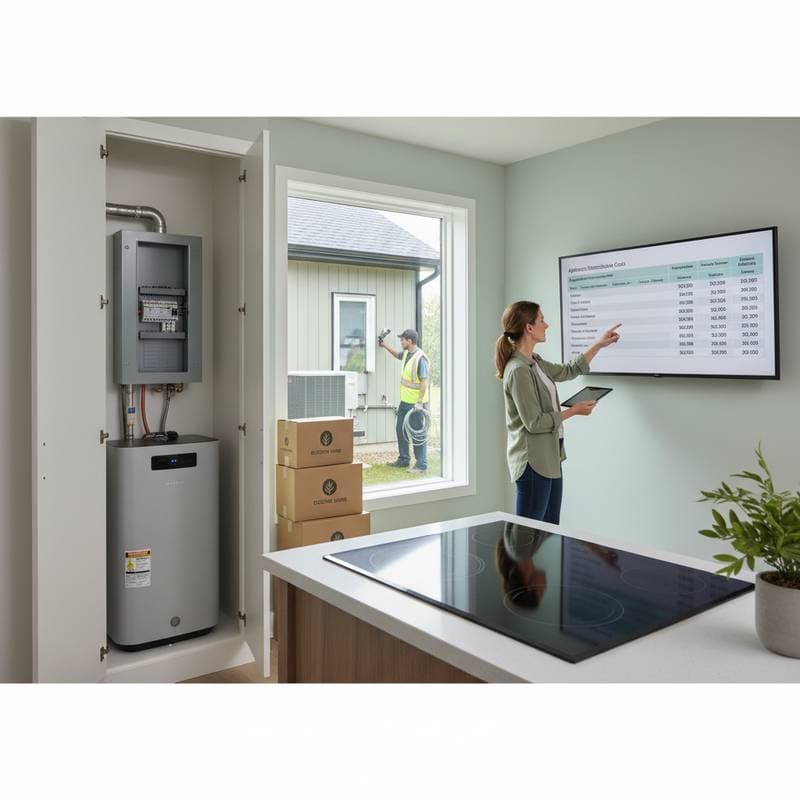
Switching gas appliances to electric in 2026 promises lower emissions, better air quality, and reduced long-term costs, though initial outlays range from $8,000 to $28,000. This comprehensive guide details every aspect, from electrical upgrades and rebates to code compliance, empowering homeowners to achieve efficient, comfortable, and eco-friendly all-electric living.
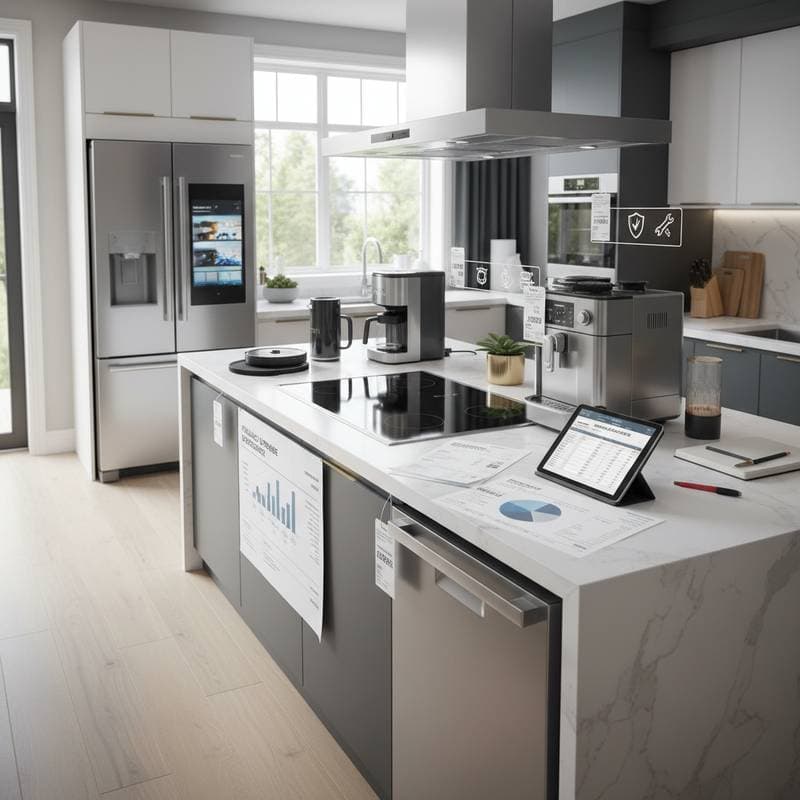
Kitchen appliances in 2025 come with escalating costs influenced by energy efficiency, installation needs, and warranty options. This guide details pricing across categories, uncovers hidden fees, and provides strategies for long-term savings, empowering homeowners to make informed choices that enhance performance and value.

In 2025, kitchen appliance prices rise 8 to 20 percent due to inflation in materials, labor, and shipping. This guide offers actionable advice on inventory checks, seasonal shopping, and maintenance to safeguard household budgets during upgrades.
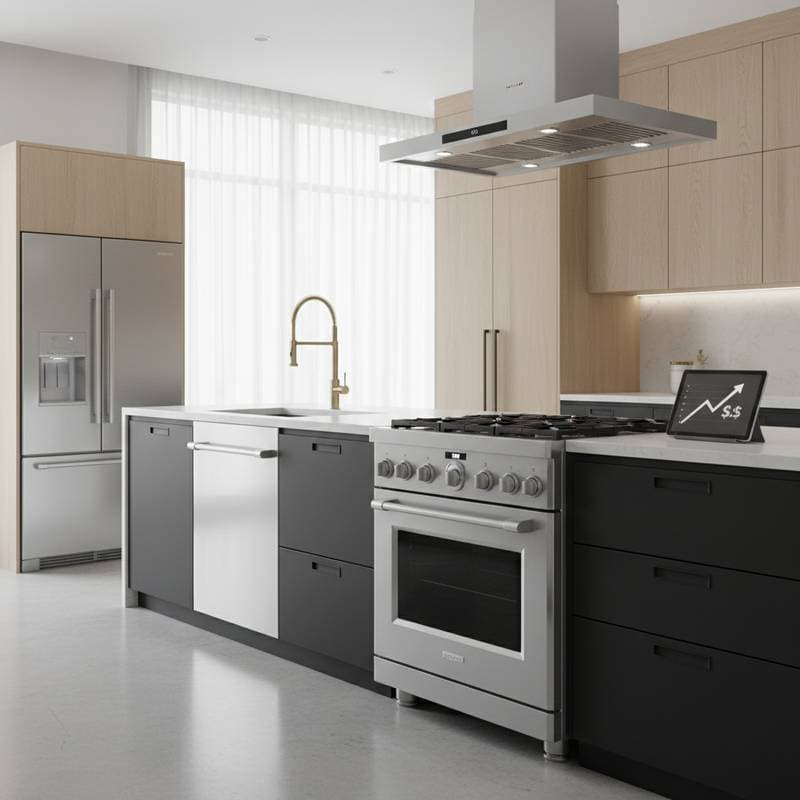
Plan your 2025 kitchen upgrade with appliance bundles that deliver $3,000+ in savings, improved efficiency, modern aesthetics, and higher resale potential. This guide covers brand comparisons, cost factors, installation tips, and strategies to optimize your purchase from basic to luxury levels.
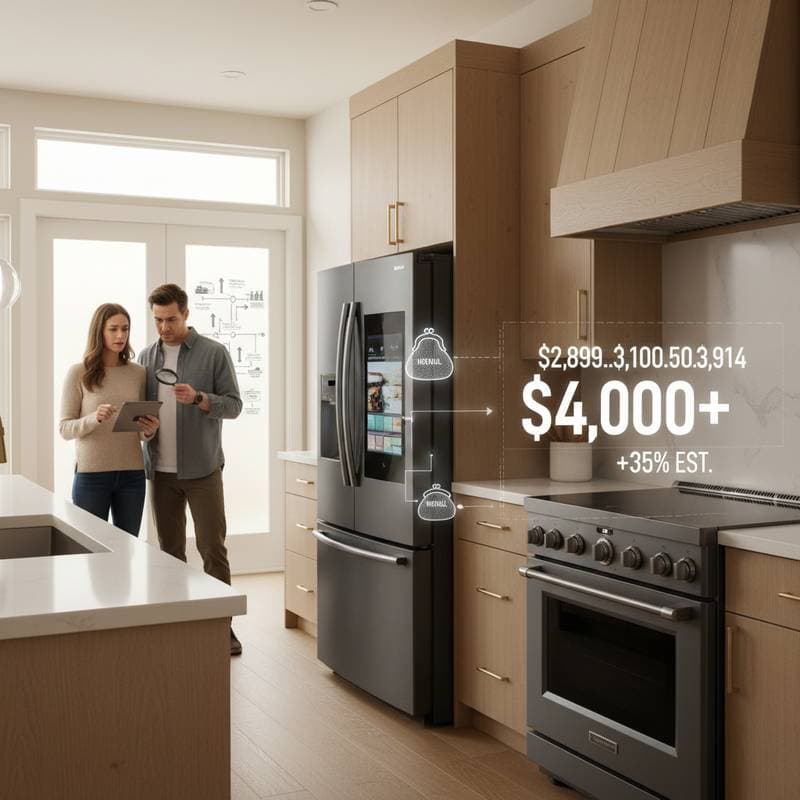
Kitchen appliance prices are projected to increase by 35% by 2025 due to escalating material costs, supply chain disruptions, and manufacturer adjustments. Homeowners can mitigate these impacts by scrutinizing fees, understanding warranties, and adopting proactive maintenance routines to preserve budgets during essential upgrades.
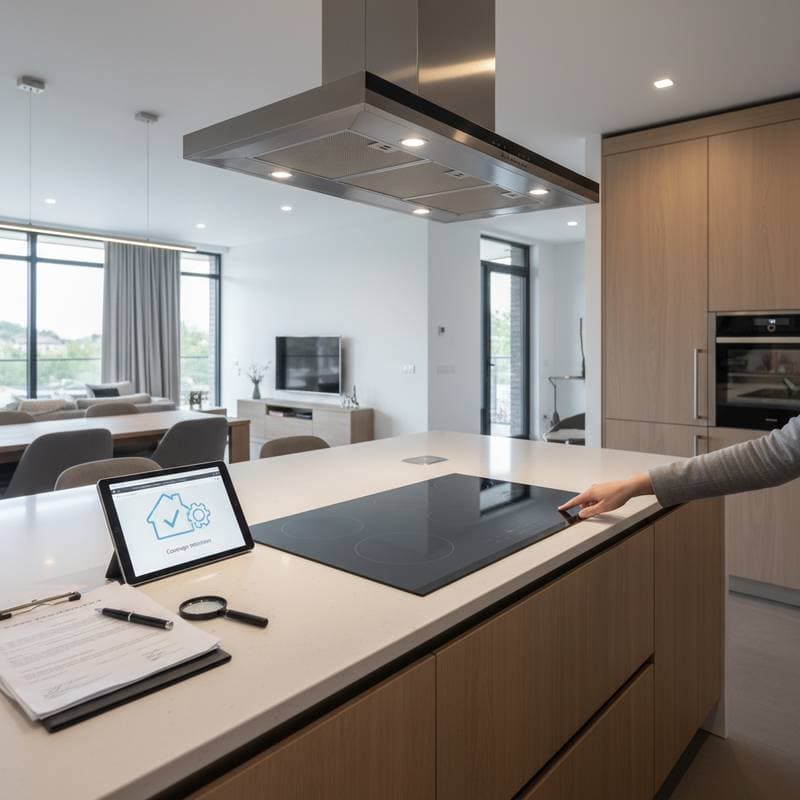
Home warranties protect built-in induction cooktops under specific conditions, such as professional installation and policy inclusion. Exclusions apply to upgrades and DIY setups. Explore verification methods, potential add-ons, and alternatives to safeguard your appliance effectively.

Home warranties offer protection for smart appliances, yet many overlook key exclusions like Wi-Fi modules and digital components. Explore coverage details, add-on options, common pitfalls, and strategies to shield your devices from expensive surprises.
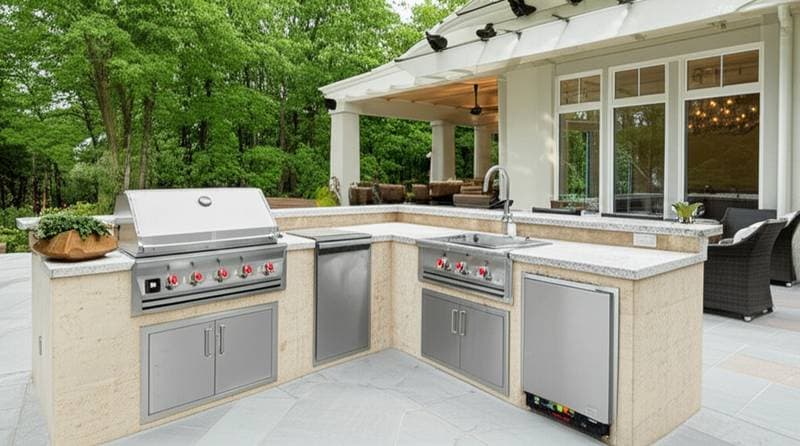
Elevate your outdoor living with a custom kitchen. In 2025, expenses span $8,000 to $50,000 based on scope, materials, and features. This guide details cost drivers like construction and appliances, professional hiring advice, and upkeep strategies to maintain lasting appeal.
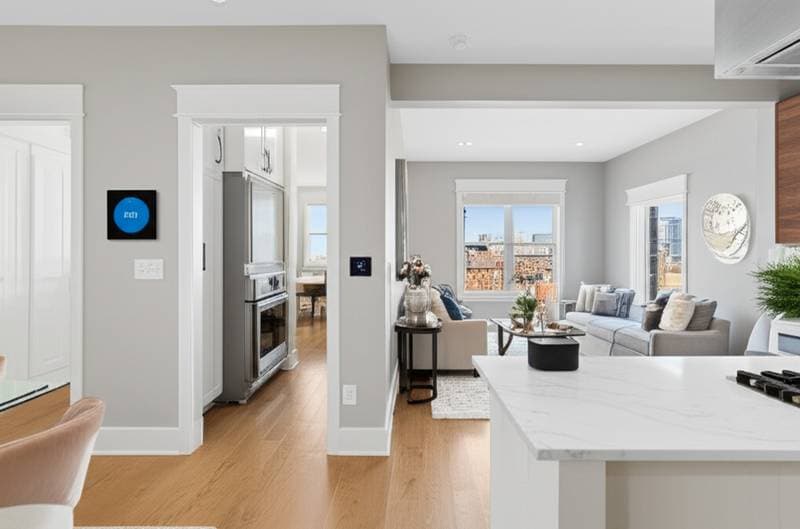
Smart home warranties in 2025 now protect more devices, from thermostats to hubs, covering both hardware failures and connectivity issues. Plans include digital diagnostics, cybersecurity, and predictive monitoring. Costs vary, but proactive maintenance and registration maximize value. Learn how to choose, update, and optimize coverage for your connected home.