Flood Prevention Strategies for a Changing Climate
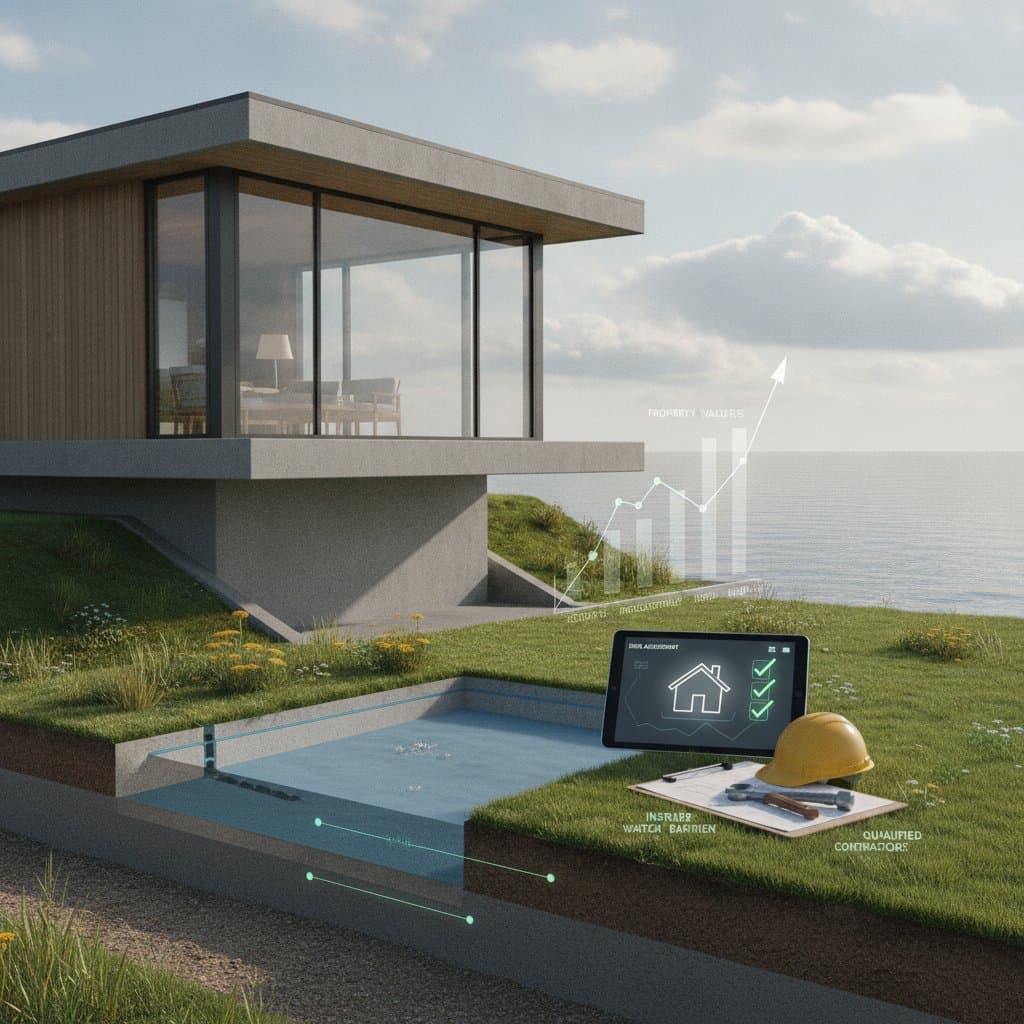
Flooding ranks as the most common and costly natural disaster for homeowners. Shifting weather patterns bring more intense storms, so protecting property requires more than temporary measures such as sandbags. Effective approaches combine grading, drainage improvements, waterproofing, and emergency planning to avoid thousands of dollars in damage.
Key Cost and Project Overview
- National average cost for moderate upgrades reaches 6500 dollars.
- Typical project range falls between 3200 and 14000 dollars.
- Simple grading and gutter work starts near 800 dollars.
- Full foundation waterproofing with pump systems can reach 40000 dollars.
- Completion time spans two days to three weeks.
- Most projects blend DIY tasks with professional services.
- Return on investment appears moderate to high in flood-prone areas.
Primary Cost Influences
Scope and lot size directly affect material quantities and labor hours. Larger properties or homes with deep basements increase overall expenses. Material selection also matters. Heavy-duty membranes and solid PVC piping cost more upfront yet deliver longer service life.
Site conditions such as clay soils or high groundwater often require extra excavation. Regional labor rates rise after major storms when contractor demand spikes. Custom additions like retaining walls or restored landscaping further raise totals.
Practical Ways to Control Expenses
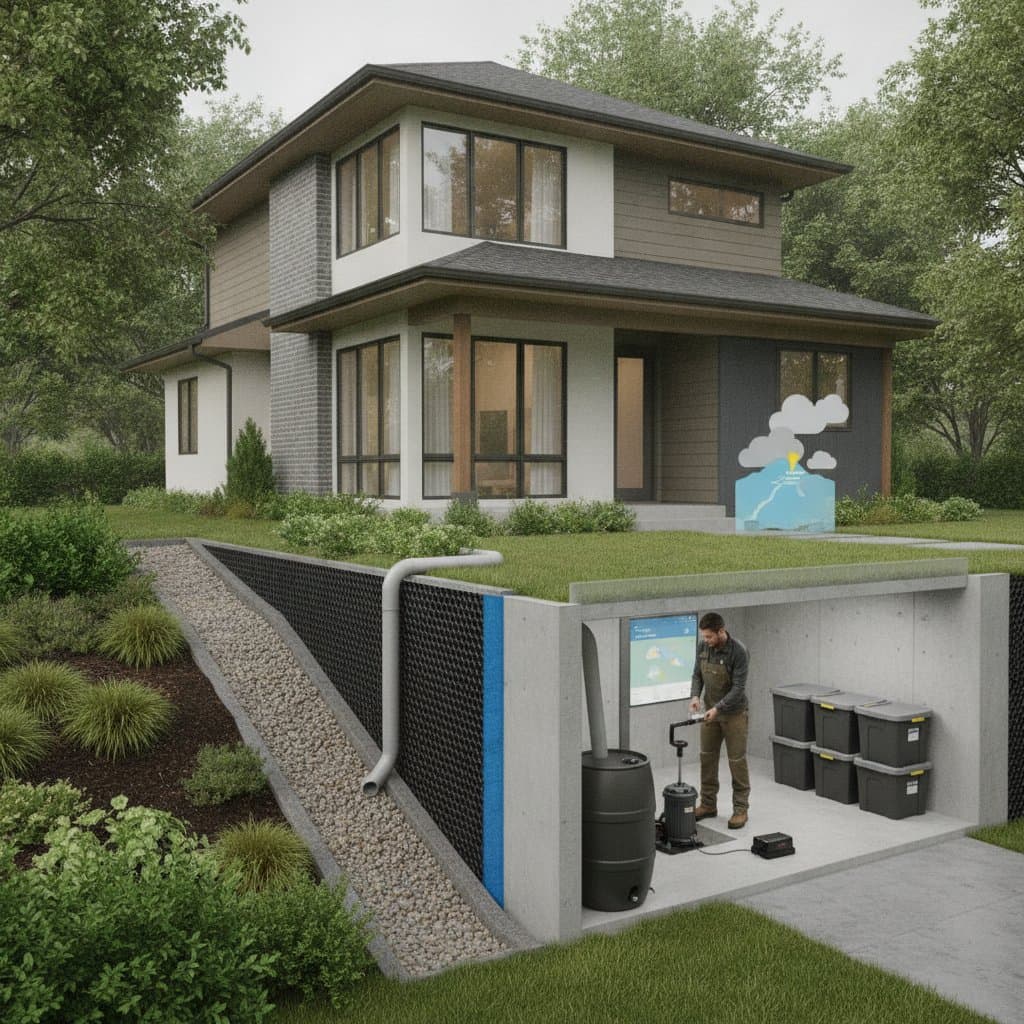
Begin with a professional inspection that evaluates surface drainage before any equipment purchases. Correcting slope around the foundation solves many basement moisture issues at low cost. Rely on gravity wherever possible by extending downspouts at least six feet from the house and directing flow toward lower ground or storm drains.
Select mid-grade materials that balance durability and price. Polymer membranes and standard PVC piping resist clogging better than thin fabrics. Schedule exterior drainage work alongside other site projects such as driveway replacement to reduce mobilization fees. Obtain three detailed quotes that list every material brand, warranty length, and payment milestone.
Recommended Project Sequence
Lead times for pumps and waterproofing membranes usually require one to two weeks. Exterior waterproofing crews need five to ten workdays while interior channel installation averages two to four days. Inspect trench depth, foundation preparation, and backfill before any covering occurs. Schedule outdoor phases during dry weather when soil remains stable.
Ongoing Care and Performance Checks
Clean gutters twice each year and test sump pumps before forecast heavy rain. Flush French drains annually with a garden hose to maintain flow capacity. Keep discharge outlets free of ice and debris at all times.
Watch for constant pump operation, new water stains near floor joints, or soil erosion at downspout exits. Persistent musty odors or white mineral deposits on walls indicate deeper problems. Minor cracks often respond to sealing and extended downspouts, yet recurring seepage justifies full drainage replacement.
Building a Layered Defense System
Address surface grading first, then add subsurface drainage, and finish with foundation sealing. Combine routine DIY maintenance with targeted professional installation. Retain all receipts and inspection records for insurance purposes and future property sales. Consistent attention to these steps safeguards both structure and contents against increasing rainfall intensity.