Understanding ADU Costs: $150,000 to $400,000 for Multigenerational Living
Accessory dwelling units provide a viable option for families seeking proximity with personal space. These structures, ranging from standalone backyard cottages for elderly relatives to adapted basement areas for grown offspring, enable resource sharing, housing expense reduction, and increased adaptability. However, determining the actual expense involves multiple layers beyond initial estimates.
Essential Choices and Influencing Elements
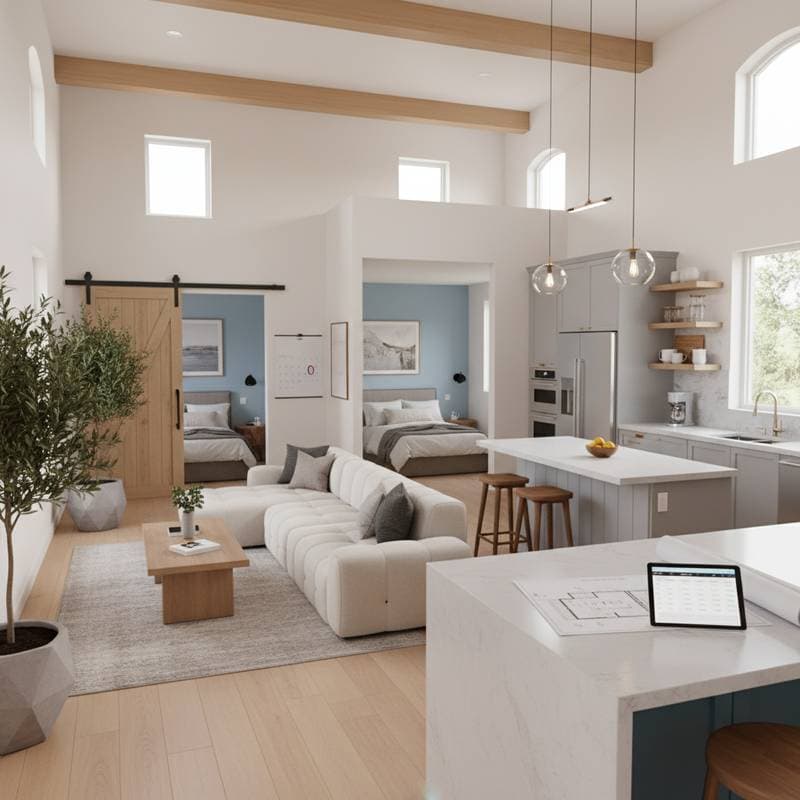
Several decisions shape the project scope and budget. Families must evaluate the ADU type, such as detached structures, attached additions, units above garages, or interior conversions. Standard dimensions fall between 400 and 1,000 square feet, with layouts customized to accommodate daily routines and accessibility requirements.
Site characteristics play a critical role. Sloped terrain demands additional stabilization, unstable soil necessitates reinforced foundations, and limited utility connections require extensions. Local regulations mandate permitting, which includes design approvals and potential infrastructure enhancements like separate metering.
Finish quality varies widely. Basic materials keep expenses lower, while premium selections in cabinetry, countertops, and lighting elevate costs by substantial amounts. Labor dynamics, including the availability of qualified workers and inspection timelines, extend project duration and affect pricing. Tailor the design to family priorities, incorporating features like wide doorways for mobility aids or soundproofing for privacy.
Detailed Expense Analysis and Cost Drivers
Construction forms the core expenditure, frequently comprising half the budget. Elements such as framing, roofing installation, drywall application, insulation layers, and surface treatments accumulate rapidly. Allocate funds carefully to balance durability with affordability.
Utility installations represent another significant outlay, ranging from $10,000 to $40,000 for new water lines, sewer connections, and electrical systems. Permitting and professional design services, including architectural plans and engineering assessments, total $10,000 to $25,000 depending on municipal requirements.
Site preparation involves grading the land, pouring foundations, and creating access routes, costing $15,000 to $50,000. Interior elements like cabinet installations, flooring options, and fixture selections span $20,000 to $60,000, with choices between economical vinyl and luxurious hardwood influencing the final figure.
Expenses increase on challenging sites with steep inclines, problematic soil, or mandates for independent utilities. Urban locations amplify costs through elevated labor rates and stringent permitting. In contrast, rural settings or regions offering prefabricated designs yield savings through reduced fees and faster approvals.
Approaching DIY Elements Versus Professional Services
Undertaking an ADU project demands substantial commitment. Homeowners with construction experience may oversee coordination, but success hinges on precise timelines, regulatory familiarity, and effective subcontractor management.
Suitable for DIY efforts include:
- Applying interior paint and installing trim details.
- Developing landscaping features and exterior walkways.
- Fitting cabinets or laying flooring, provided prior expertise exists.
Professional expertise proves essential for:
- Erecting structural frames and installing roofs.
- Handling electrical wiring and plumbing systems.
- Preparing foundations and performing land grading.
- Integrating HVAC units and insulation compliant with building codes.
This endeavor requires advanced skills. Even proficient individuals benefit from licensed specialists to navigate approvals and ensure safety. Prioritize protective equipment, maintain ventilation during material handling, and verify power deactivation prior to electrical tasks.
To optimize savings, oversee non-structural aspects like sourcing materials or scheduling reviews, while delegating complex work.
Upkeep Strategies, Preservation, and Durability
A quality-constructed ADU endures 50 years or longer under diligent maintenance. Establish routines to safeguard structural integrity and habitability.
Address roofing by replacing shingles every 20 to 25 years to prevent water intrusion. Refresh exterior paint coatings every 8 to 10 years, adjusting for environmental exposure. Maintain HVAC systems through quarterly filter cleaning and yearly professional servicing.
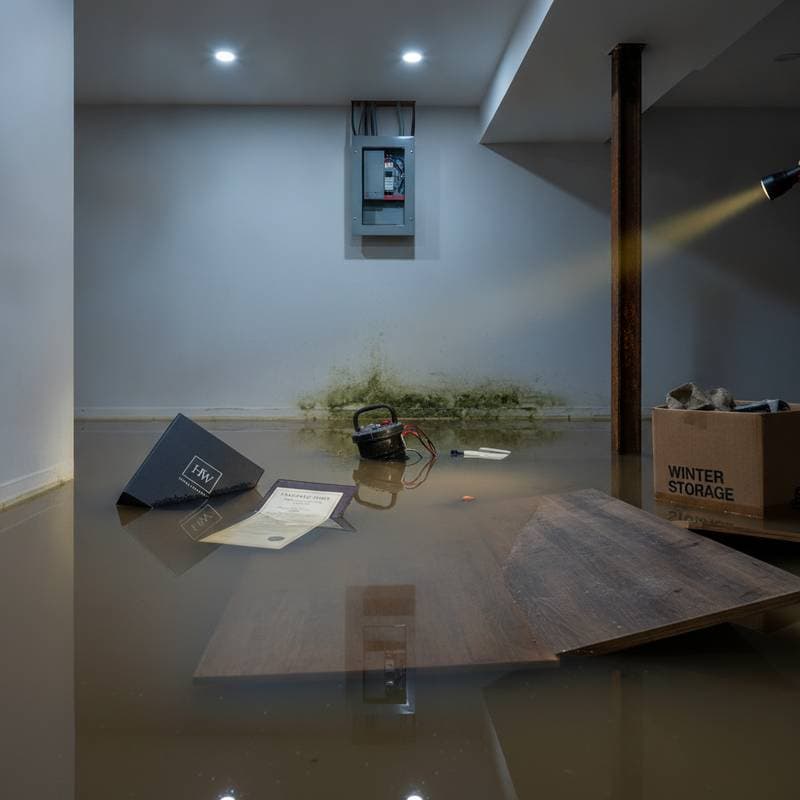
Conduct annual plumbing inspections to detect leaks early. After significant rainfall, evaluate foundation stability, drainage efficiency, and downspout functionality. These practices preserve the unit as a secure, inviting environment for successive family members.
Adapting to Regional and Environmental Factors
Local climate dictates specific adaptations and associated costs. Colder climates require enhanced insulation depths, foundations resistant to frost heave, and windows with superior thermal performance. Hot, humid zones emphasize dehumidification systems and robust ventilation to combat mold growth.
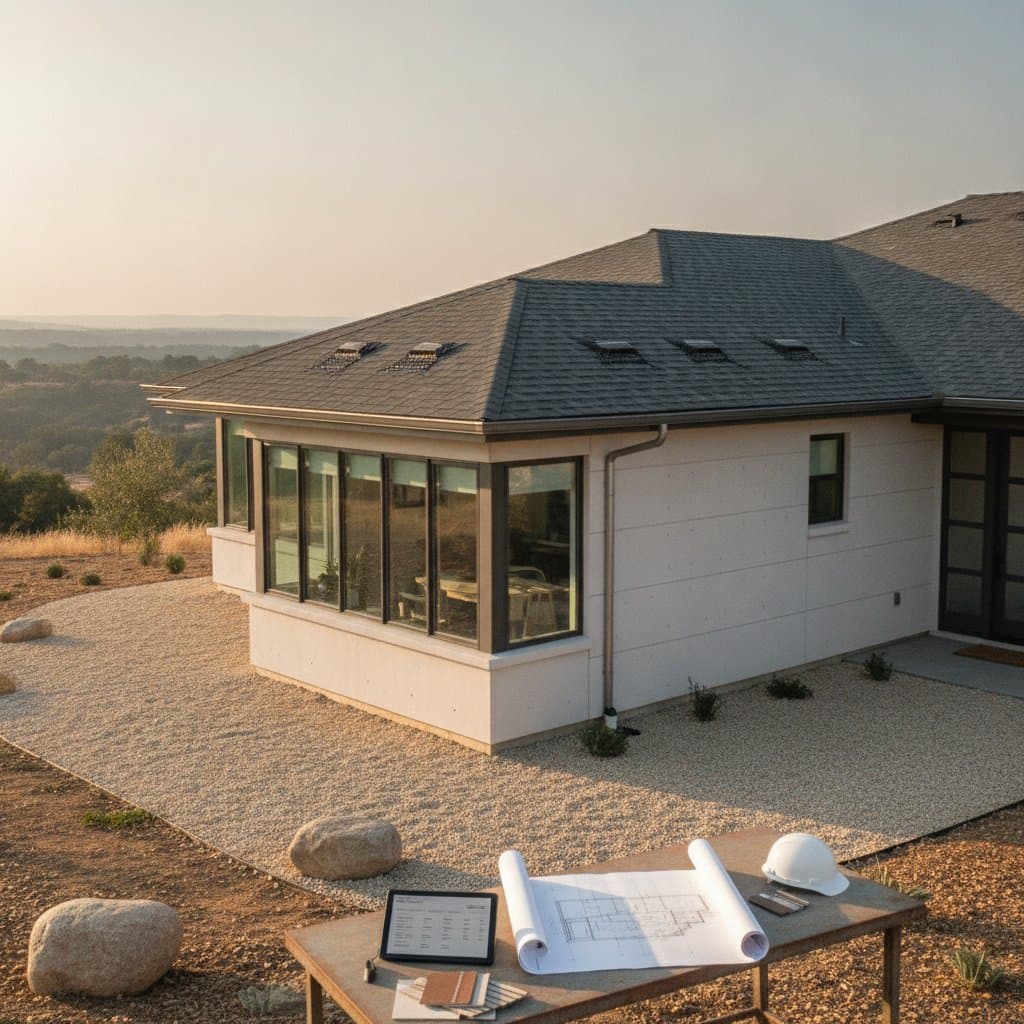
In wildfire-risk areas, incorporate fire-retardant options such as fiber-cement exteriors and metal roofing materials. Coastal properties benefit from elevated foundations against flooding and galvanized fasteners to resist corrosion from salt air.
Regional labor variations impact budgets. High-demand urban and coastal markets command premium hourly wages, whereas rural locales offer competitive pricing despite limited contractor pools. Secure at least three comprehensive proposals outlining project scope, material specifications, and completion schedules prior to selection.
Investment Returns and Familial Advantages
Well-executed ADUs elevate property appraisals by 20 to 35 percent, influenced by aesthetic integration and geographic appeal. Rental income potential recoups construction loans or offsets eldercare expenses, while close quarters facilitate support without complete merging of households.
Homeowners often regard ADUs as dual-purpose investments, blending familial utility with financial gain. Substantial initial funding necessitates exploration of options like home equity financing, refinance cash-outs, or dedicated construction loans. Certain municipalities provide rebates, expedited processes, or waived fees to promote intergenerational residences.
Common Questions
What dimensions are permitted for an ADU?
Regulations typically permit 400 to 1,000 square feet, occasionally extending to 50 percent of the primary residence's footprint. Verify specifics with local authorities.
Are independent utilities mandatory?
Policies differ; some jurisdictions permit shared connections, others insist on dedicated lines. Consult the building department during initial planning.
Does multigenerational living justify the investment?
In many cases, yes. Benefits outweigh alternatives like independent rentals or institutional care, yielding savings on housing, commuting, and assistance over time.
Steps to Launch Your Project
Define objectives clearly. Prioritize elements like ramp access, ergonomic kitchens, and secluded bedrooms over opulent details for family-centric functionality. Engage a regional architect or contractor promptly to assess zoning restrictions, elevation caps, and infrastructure viability.
Obtain three itemized estimates detailing work phases, supply lists, and projected durations. With meticulous preparation, accurate financial projections, and consistent oversight, an ADU transforms a family estate into a versatile, enduring resource that nurtures independence across generations.