Essential Upgrades for Flood-Resistant Homes
Quick Overview
- Prioritize elevating utilities and electrical systems above anticipated flood heights.
- Incorporate flood vents or barriers to manage hydrostatic pressure.
- Select waterproof materials for floors and walls to minimize interior harm.
- Optimize site drainage and grading to redirect water from the foundation.
Understanding Flood-Proofing
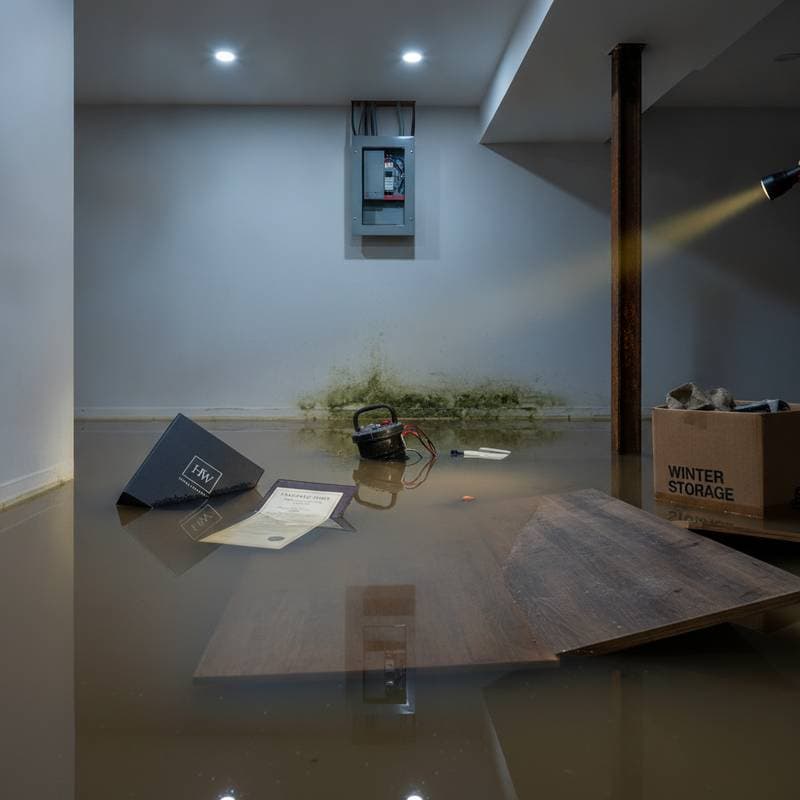
Flood-proofing involves targeted modifications to a home that enhance its ability to withstand or recover from water intrusion. These changes focus on safeguarding the building's framework, mechanical systems, and interior elements against rising waters or intense surface runoff. Successful strategies integrate physical barriers, resilient materials, and efficient drainage solutions calibrated to the specific flood hazard level of the property.
Benefits and Drawbacks
Benefits:
- Significantly cuts post-storm repair expenses by preventing widespread water damage.
- Potentially qualifies for reduced insurance premiums in flood-prone areas.
- Prolongs the overall durability of the home through decreased exposure to chronic moisture.
Drawbacks:
- Initial investments may range widely depending on project scope.
- Certain installations necessitate building permits and professional inspections.
- Visible exterior features, such as barriers, could impact the home's aesthetic appeal.
Ideal Applications and Potential Shortcomings
Apply these measures when:
- The property sits within a designated floodplain or borders rivers, coastal zones, or lakes.
- Basements or crawl spaces routinely accumulate standing water during rains.
- The surrounding landscape directs water toward the home's base.
These approaches underperform when:
- Vents or barriers lack adequate airflow, leading to structural stress.
- Drainage routes become obstructed or inadvertently channel water to the foundation.
- Selected materials offer only water resistance rather than full waterproofing.
Step-by-Step Guide to Core Flood-Proofing Enhancements
Required tools and materials: Shovel, spirit level, hydraulic cement for patching, PVC pipes for drainage, waterproof sealant, utility knife, epoxy or rubberized coatings, closed-cell foam insulation, and protective gloves.
Estimated time and skill level: One to three weekends, with moderate expertise needed for most tasks.
-
Assess site grading. Observe water movement around the home following rainfall. Ensure runoff directs away from the structure; add compacted fill dirt or gravel to elevate low areas and promote proper slope.
-
Repair foundation cracks. Identify fissures in concrete walls or slabs, then apply hydraulic cement to seal them effectively. Simulate flooding with a garden hose to verify the patches hold without leaks.
-
Fit flood vents into foundation walls. Position engineered vents at recommended intervals and elevations per local building codes to allow water equalization and prevent wall collapse under pressure.
-
Relocate utilities to higher ground. Raise water heaters, electrical panels, and HVAC equipment at least 12 to 18 inches above the projected flood line using reinforced concrete platforms or secure wall brackets.
-
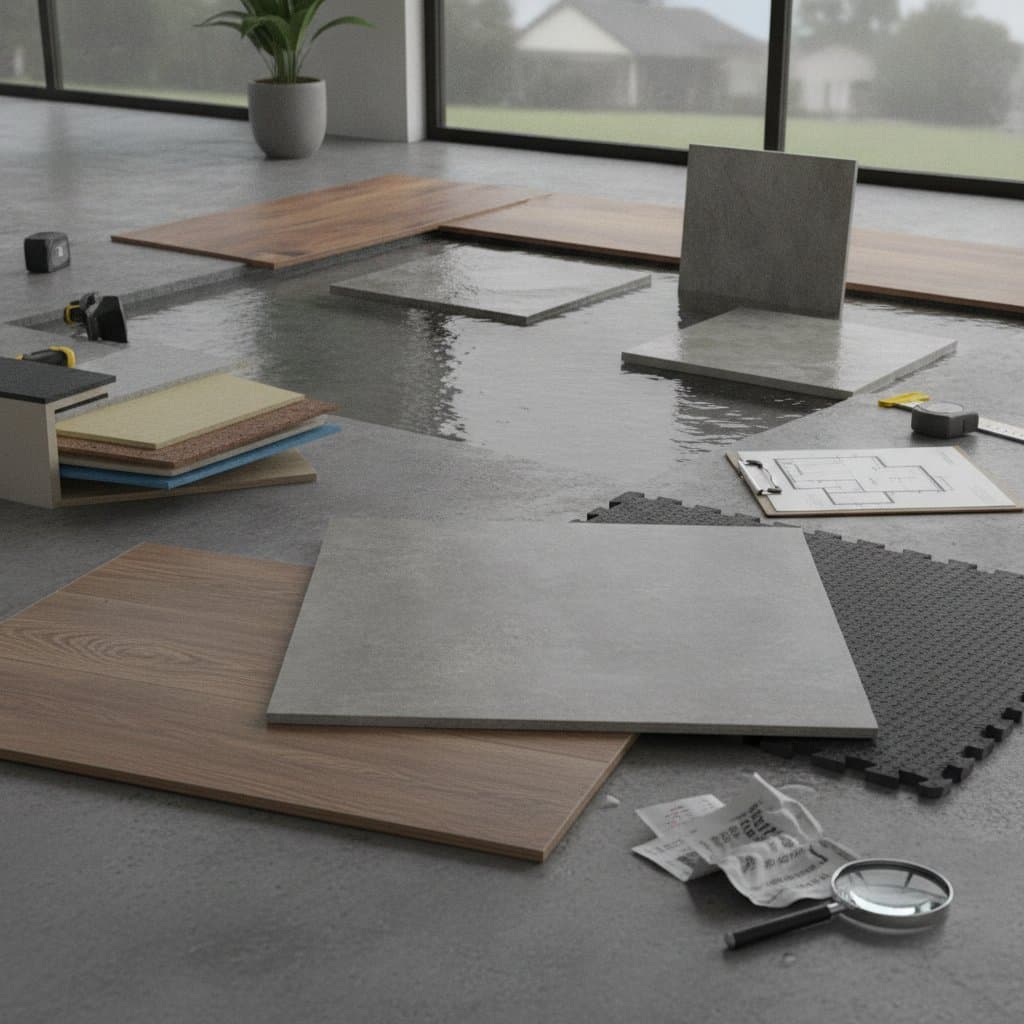
Apply protective coatings to surfaces. Coat basement floors and walls with durable epoxy or rubberized membranes; install closed-cell spray foam insulation to block moisture penetration without absorbing water.
-
Incorporate backflow prevention valves. Attach check valves to sewer lines and sump pump discharges to block sewage backup during floods; schedule annual inspections to confirm functionality.
-
Enhance overall drainage. Redirect downspouts to extend at least 10 feet from the foundation, or install a perforated French drain system buried along the perimeter for persistent heavy runoff.
Post-installation verification: Test the system by directing hose water toward the home. Monitor flow patterns and refine grading or barriers as necessary to eliminate pooling.
Expense Breakdown
Standard project costs span $3,000 to $18,000, varying by home size and complexity.
Elements that increase expenses: Larger structures, extensive utility elevation, underlying foundation fixes, and required permitting fees.
Elements that decrease expenses: Self-performed sealing tasks, properties in lower-risk areas, and phased implementation of upgrades.
Opt for full replacement over repairs when: Ongoing floods have weakened load-bearing elements or compromised electrical integrity beyond safe restoration.
Do-It-Yourself Options Versus Professional Services
Suitable for DIY efforts: Crack sealing, downspout extensions, and surface waterproofing applications, provided basic tools and safety protocols are followed.
Best handled by professionals: Utility relocations, sump pump setups, and foundation vent installations to meet stringent safety standards.
Rationale for hiring experts: They guarantee adherence to regional floodplain regulations, perform precise slope measurements, and provide warranties that protect against future issues.
Ongoing Maintenance and Preventive Measures
Examine drainage channels every spring and immediately after significant storms to clear debris.
Remove leaves and sediment from gutters and downspouts on a monthly basis during rainy periods.
Refresh waterproof coatings on exposed surfaces every three to five years, depending on wear.
Run sump pump tests biannually to ensure reliable operation under load.
These routines help curb escalating repair needs and sustain the effectiveness of flood defenses over time.
Complementary Strategies
Dry flood-proofing: Encloses walls, doors, and windows with impermeable seals to exclude water entirely. This method suits solid masonry or concrete constructions in moderate-risk settings.
Wet flood-proofing: Permits controlled water entry while using moisture-resistant finishes inside. It proves effective for below-grade spaces like basements where full exclusion proves challenging.
Structural elevation: Hoists the entire building onto pilings or blocks above the base flood elevation. Though expensive, it delivers the most robust defense for high-hazard locations.
Frequently Asked Questions
How do I determine my property's flood risk?
Consult official flood hazard maps from local authorities or review details with your insurance provider.
Do flood vents provide meaningful protection?
Yes, they mitigate force against foundation walls by allowing water to flow through rather than build up.
Can insurance reimburse these modifications?
Coverage varies by policy; inquire about available incentives for risk-reduction improvements prior to proceeding.
Implementing Your Flood Protection Plan
Begin by conducting a thorough site inspection and adjusting grading for optimal water diversion. Select upgrades aligned with your assessed risk and financial resources, blending accessible DIY elements with expert interventions. This balanced approach not only withstands immediate threats but also fortifies your home against future environmental challenges.