2025 ADU Construction Costs: Complete Granny Flat Price Breakdown
Key Insights
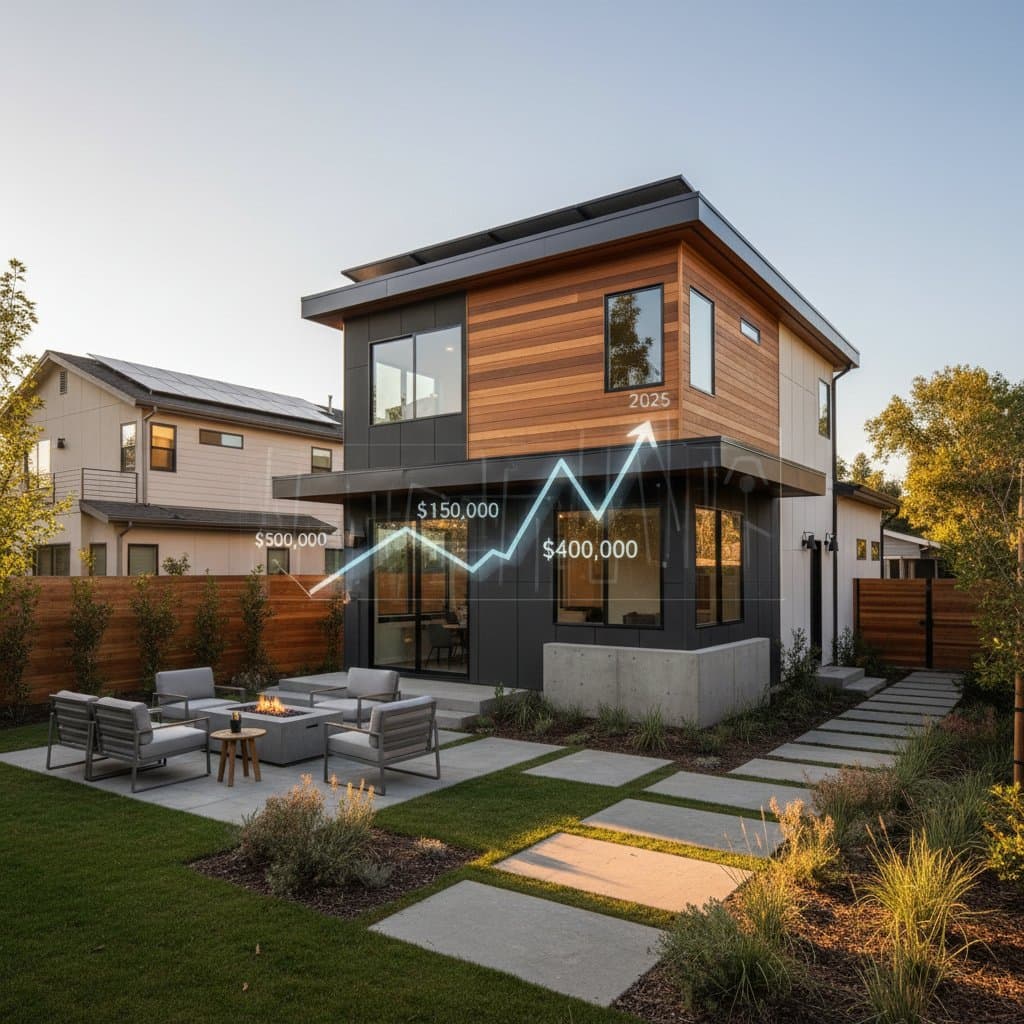
Accessory dwelling units increase property value and enable rental income generation, though expenses hinge on unit dimensions, construction method, and site characteristics.
- Total project costs generally fall between $150,000 and $400,000.
- Prefabricated options reduce labor expenses by 10 to 25 percent.
- Connections for utilities, permitting processes, and interior finishes elevate overall expenditures beyond the structural core.
Understanding Accessory Dwelling Units
An accessory dwelling unit functions as a secondary, independent residence on a single-family property. It incorporates a complete kitchen, bathroom, and sleeping quarters, along with a dedicated entrance. Property owners construct these units to accommodate extended family members, produce supplementary income through rentals, or enhance long-term adaptability of their estate.
Advantages and Disadvantages
Advantages
- Enhances overall property valuation.
- Provides revenue through rentals or additional living space for guests.
- Leverages existing land without necessitating a separate parcel acquisition.
- Accommodates diverse dimensions and configurations to suit specific needs.
Disadvantages
- Involves substantial initial investment relative to alternative property enhancements.
- Permitting procedures may prove lengthy or intricate.
- Upgrades to utilities could become necessary.
- Reduces available yard area or parking accommodations.
Timing Considerations for Construction
Proceed with Building When
- Sufficient lot space exists with unobstructed access for construction equipment.
- Municipal zoning regulations permit ADUs and compliance with setback requirements is feasible.
- Long-term residency plans allow recovery of invested costs.
Postpone When
- Significant upgrades to sewer systems or electrical panels are required.
- Site drainage or grading presents challenges.
- Prevailing financing interest rates or municipal fees strain budgetary limits.
Detailed Construction Process
Essential Preparation Tools
- Tape measure, soil probe, camera, and notebook to document site conditions during initial assessments.
- Digital level and compact shovel to evaluate grading accuracy.
- Municipal zoning maps and professional property surveys.
- Protective equipment including gloves, sturdy boots, and hard hats for on-site activities.
Project Duration: 6 to 12 months from initial design through to occupancy.
Complexity Level: Advanced, demanding oversight of various specialized trades.
-
Site Evaluation
Conduct measurements of required setbacks, terrain slope, and existing utility positions. Identify potential obstacles such as established trees or overhead power lines that could influence unit placement. -
Layout Design
Select among detached, attached, or garage conversion configurations. Align roof pitch and exterior siding materials with the primary residence to maintain aesthetic harmony. -
Permitting Application
Provide detailed architectural drawings, energy efficiency computations, and comprehensive site plans. Anticipate permit fees ranging from $3,000 to $10,000, scaled by municipal jurisdiction. -
Site Preparation
Remove vegetation, achieve soil levelness, and install boundary stakes for foundation outlining. Engage a soil engineer to verify compaction levels, particularly for slab foundations. -
Foundation Construction
Opt for slab-on-grade, elevated pier, or stem wall systems. Slab foundations offer cost efficiency but restrict access to underfloor plumbing elements. -
Structural Framing
Employ pressure-treated lumber for base plates and conventional framing materials for wall assemblies. Incorporate moisture-resistant barriers and secure anchor bolts in accordance with building codes. -
Utility Installation
Integrate water supply, sewage, and electrical conduits. Budget for potential additional expenses arising from trenching requirements or electrical panel enhancements. -
Exterior Enclosure
Install asphalt shingles for roofing and fiber cement panels for siding to achieve reliable durability at moderate cost. Consider metal roofing for extended longevity despite higher initial outlay. -
Interior Completion
Incorporate insulation, drywall sheathing, flooring surfaces, cabinetry, and plumbing fixtures. Select mid-range options to optimize expense relative to future resale appeal. -
Final Inspections
Arrange municipal reviews for structural integrity, electrical systems, plumbing installations, and energy standards adherence. Secure all necessary approvals prior to granting occupancy. -
Exterior Enhancements
Construct pathways, install exterior lighting, and erect privacy fencing. These elements promote tenant convenience and security.
Expense Analysis
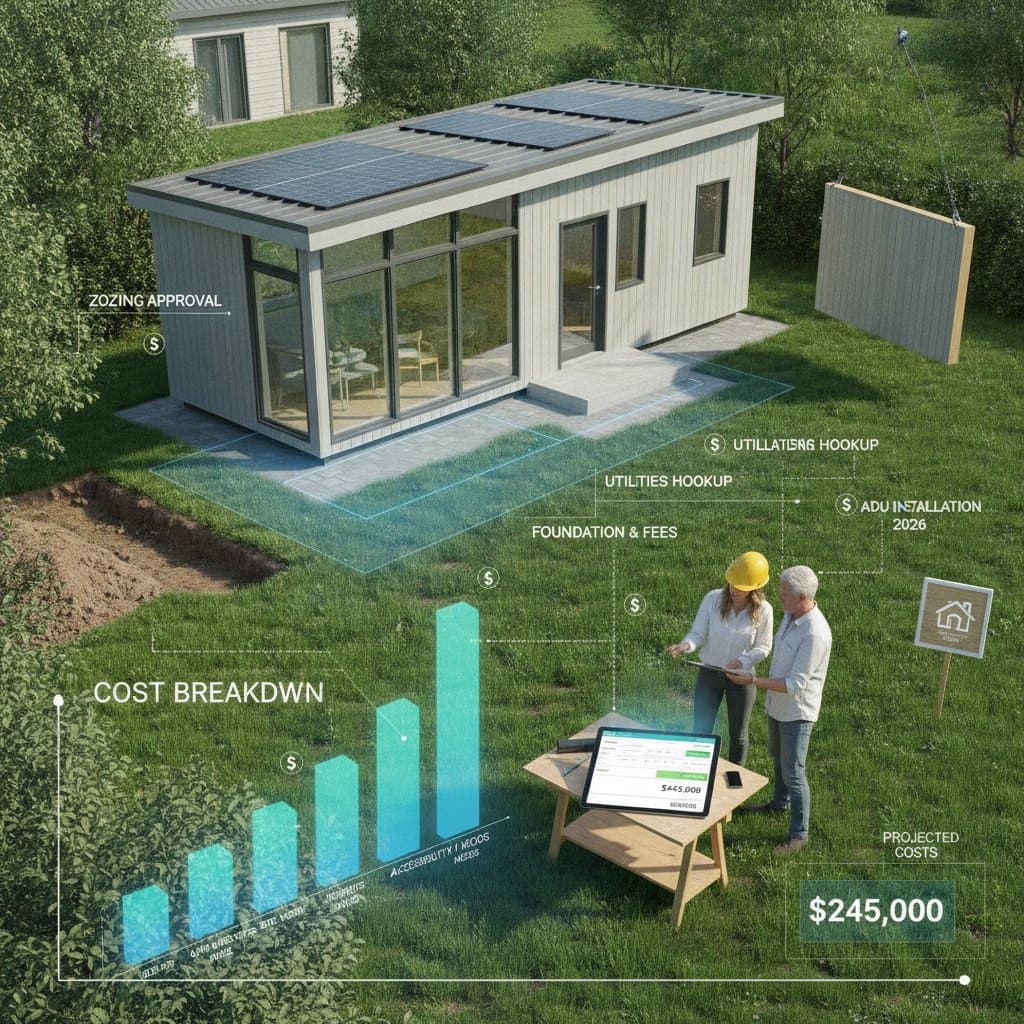
Standard Cost Spectrum: $150,000 to $400,000 for complete projects.
Primary Cost Influences
- Unit Dimensions: Compact models below 400 square feet approach $150,000 starting points. Expansive detached variants featuring comprehensive kitchens exceed $300,000.
- Construction Category: Detached units incur the highest expenses. Garage conversions yield savings of 20 to 40 percent.
- Material Quality: Premium selections such as bespoke cabinetry or intricate tile installations contribute an additional $25,000 or more.
- Utility Extensions: Extended water or sewer line installations involve trenching at $100 to $200 per linear foot.
- Design and Regulatory Fees: Architectural services typically comprise 8 to 15 percent of total project budget.
- Geographic Location: Coastal and metropolitan areas command elevated labor charges. Rural settings may lower labor costs but increase utility connection expenditures.
Reconstruction Versus Renovation
For aging garage conversions exhibiting structural weaknesses, obsolete wiring, or inadequate insulation, a full rebuild frequently proves more economical than piecemeal repairs. Fresh construction circumvents concealed deterioration and ensures alignment with contemporary regulations.
Self-Managed Versus Professional Execution
Feasible Self-Managed Activities
- Initial planning and financial projections.
- Vegetation removal or light grading tasks.
- Post-construction painting and landscaping efforts.
Professional Engagement Essential For
- Framing, electrical, or plumbing operations.
- Preparation of certified blueprints or navigation of inspections.
- Utility trenching or concrete foundation pouring.
Professional Advantages
Licensed contractors manage design integration, regulatory adherence, and inspection coordination. They provide liability insurance and performance warranties, while general contractors oversee subcontractor activities to maintain timelines.
Upkeep Strategies
Inspection Schedule: Biannual reviews aligned with seasonal changes.
Routine Procedures
- Examine roof flashing and gutter systems for leakage indicators.
- Replace HVAC filters and verify smoke detector functionality.
- Inspect sealant integrity around window and door frames.
- Refresh exterior trim or siding coatings every five to seven years.
Benefits of Diligence
Consistent maintenance safeguards capital investment and ensures occupant safety. Early detection of moisture intrusion or pest activity prevents escalation to foundational impairments.
Alternative Approaches
Garage Conversion Projects
Suitable for constrained budgets or spatial limitations. Capitalizes on pre-existing frameworks, though seismic reinforcements or foundational modifications may apply in certain regions.
Basement Conversions
Optimal in temperate or cold environments where subterranean areas maintain stable temperatures. Necessitates installation of emergency egress windows and moisture barriers.
Prefabricated Units
Assembled from modular components or prefabricated panels. Halves on-site construction duration and minimizes environmental disturbance. Verify accessibility for crane operations on delivery routes.
Common Questions
What Are Maximum ADU Dimensions?
Municipal codes typically authorize 400 to 1,200 square feet, subject to setback and lot coverage constraints that may curtail effective space.
Is ADU Rental Permitted?
Affirmative, provided local regulations endorse extended or temporary leasing arrangements. Review zoning designations and community association guidelines.
Do Property Taxes Rise with an ADU?
Yes, assessments increase proportionally to the valuation of the added structure, excluding the primary property.
Which Foundation Endures Best?
Concrete slab foundations demonstrate superior resistance to pests and humidity when paired with effective soil drainage solutions.
Are Independent Utilities Mandatory?
Separate metering remains discretionary in numerous jurisdictions, yet isolated shutoff valves and backflow prevention devices frequently constitute requirements.
Can Construction Precede the Primary Residence?
Building codes generally mandate an existing main dwelling, although select rural districts permit concurrent approvals under unified site plans.
Budget Planning Checklist
- Evaluate available lot dimensions and equipment access pathways.
- Retrieve applicable zoning ordinances and setback specifications.
- Select preferred configuration: detached, attached, or conversion.
- Consult utility providers regarding capacity availability.
- Solicit bids from at least three design firms and contractors.
- Contrast prefabricated and traditional construction methodologies.
- Catalog material preferences across budget categories.
- Allocate 10 to 15 percent buffer for unforeseen expenses.
- Commission a boundary survey if perimeter clarity lacks.
- Maintain organized records of permits, blueprints, and invoices.
Geographic Cost Variations
ADU expenditures fluctuate significantly across regions. High-demand urban and coastal locales often surpass $400 per square foot due to premium labor rates. Inland suburban zones average approximately $250 per square foot. Regions with harsh winters demand enhanced insulation and frost-resistant foundations, elevating HVAC and base costs. Temperate areas incur lower heating demands but require investments in shading features and airflow systems.
Soil composition plays a critical role. Expansive clay formations or inclined terrains may necessitate $10,000 to $30,000 in specialized foundational engineering. Level sites with optimal drainage expedite processes and conserve resources. Conduct soil load-bearing tests prior to design finalization.
Cost-Impacting Design Elements
- Roof Configuration: Basic gable or shed styles minimize expenses compared to complex multi-angled designs.
- Window Selections: Conventional vinyl frames cost $300 to $600 per unit. Bespoke dimensions or expansive sliding panels accumulate rapidly.
- Kitchen Configurations: Elementary arrangements with laminate surfaces and prefabricated cabinets commence at $8,000. Elaborate custom installations approach $25,000.
- Bathroom Layouts: Streamlined shower-only designs economize $2,000 to $4,000 relative to bathtub-inclusive setups.
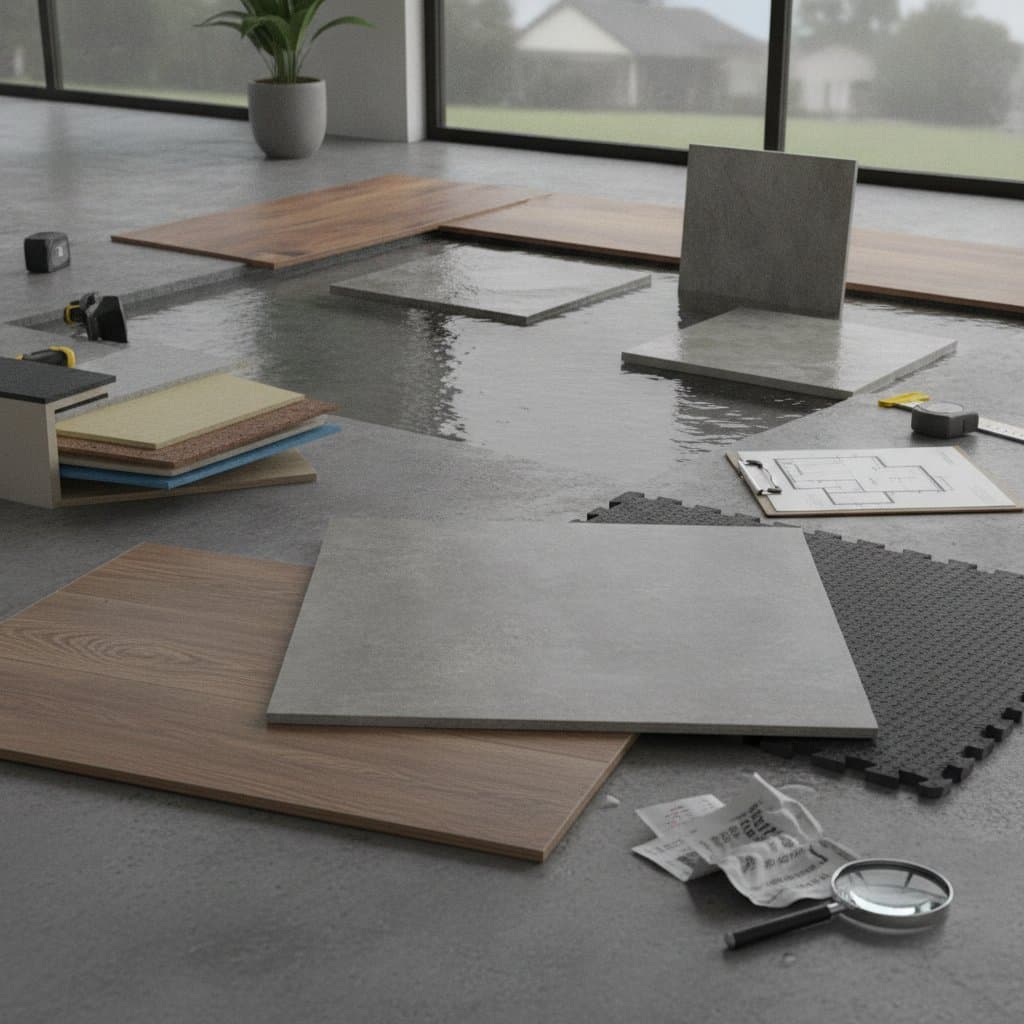
- Flooring Options: Vinyl plank flooring delivers resilience at accessible prices. Hardwood or ceramic alternatives enhance aesthetics and marketability at greater cost.
Integrating moderate-grade materials within streamlined designs yields optimal value for affordability and livability.
Funding Pathways
- Home Equity Loans: Feature stable interest rates but introduce secondary mortgage encumbrances.
- Cash-Out Refinancing: Substitutes the existing primary loan with an expanded principal amount.
- Construction Financing: Disburses capital incrementally as project milestones advance.
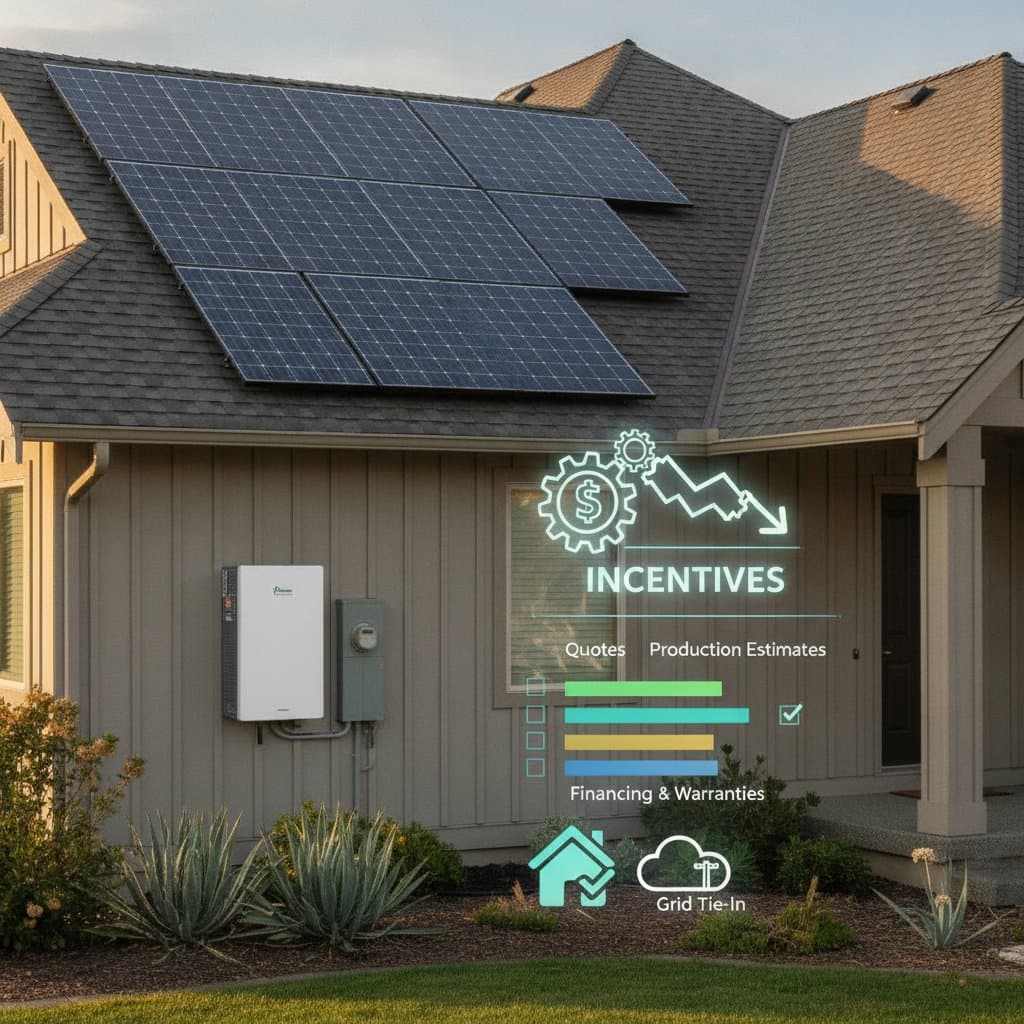
- Specialized ADU Initiatives: Certain governmental entities provide reduced-rate loans tailored to compact housing developments.
Secure preliminary lender approval before commencing design phases, as financial institutions typically mandate certified schematics and expenditure projections.
Compliance with Energy Standards
Contemporary ADU regulations enforce efficiency benchmarks for thermal barriers, illumination, and air circulation. Incorporate the following:
- Minimum R-19 insulation in walls and R-30 in ceilings.
- Windows rated for low U-factors to minimize heat loss.
- Mechanical ventilation units or heat recovery ventilators for sealed envelopes.
- Standalone alarms for smoke and carbon monoxide detection.
Steps to Launch Your ADU Project
Embark on your accessory dwelling unit initiative by aligning site assessments with financial readiness. This structured approach not only controls costs but also maximizes returns through compliant, efficient construction tailored to your property's potential.