How Much Does Wildfire Home Protection Cost? Complete Pricing Guide
Protecting a home from wildfires ranks among the most worthwhile investments for property owners. Professional upgrades for wildfire home protection range from $2,000 to $15,000, with the average project costing $7,800. These enhancements incorporate fire-resistant materials, defensible space measures, and ember-resistant vents.
Three primary factors shape the total expense: the size of the home, the choice of materials, and the accessibility of the terrain. Properties in high-risk areas encounter elevated costs from rigorous building codes and insurance mandates. Data from the National Fire Protection Association indicates that well-executed fire-resistant modifications reduce the risk of structural ignition by up to 75 percent. Such upgrades secure the property and decrease homeowners insurance premiums by 10 to 25 percent, varying by insurer and location.
Beyond immediate safety, wildfire defense serves as a strategic financial move. It shields the primary asset, elevates resale potential, and promotes enduring security.
Detailed Cost Breakdown
Wildfire protection expenses blend per-square-foot rates with fixed fees for specific tasks.
Primary Pricing Structure
- Per-square-foot cost: $2.50 to $6.50 for exterior fire-resistant upgrades
- Defensible space creation: $1.50 to $3.00 per square foot of cleared area
- Minimum service charge: $500 for inspection and consultation
- National average: $7,800 total project cost
- Cost percentiles: 25th percentile at $3,200, 50th percentile at $7,800, 75th percentile at $12,000
Regional factors, such as mountainous or forested settings, increase expenses by 10 to 30 percent. Availability of contractors and permitting processes further influence the final amount.
Size and Scope Factor
The home's dimensions play a direct role in determining costs. For a 1,500-square-foot residence, upgrades typically range from $4,000 to $6,000. Larger 3,000-square-foot homes often surpass $12,000, with each additional 100 square feet contributing approximately $250 in materials and labor.
Consider a modest cabin fitted with Class A fire-rated shingles and metal mesh vents, which totals $3,800. In comparison, a suburban property requiring complete siding replacement and fire-resistant decking reaches $10,500. Benchmarks from the Insurance Institute for Business and Home Safety highlight that bigger homes demand scaled investments due to greater exposed surfaces.
Material and Quality Tiers
Entry-level materials, such as fire-retardant coatings and simple vent screens, cost $2 to $4 per square foot. These options provide initial defense but require reapplication every few years.
Mid-range selections like fiber-cement siding or metal roofing fall between $5 and $8 per square foot. Products from James Hardie and GAF Timberline ArmorShield deliver reliable fire resistance at a balanced price.
Premium choices employ non-combustible elements, including steel panels or concrete tiles, priced at $9 to $15 per square foot. These carry warranties lasting up to 50 years and boost resale value by 5 percent or higher. Per the Wildland Urban Interface Building Code, such materials extend ignition resistance by up to 90 minutes, allowing vital response time for firefighting teams.
Complexity Variables
Challenges like sloped terrain, thick vegetation, or proximity to tree lines heighten project demands. Vegetation removal on steep inclines can elevate costs by 20 to 40 percent. Pre-existing structural issues, such as siding repairs or roof overhauls, add to the budget.
Building codes in certain areas mandate ember-resistant vents and defensible zones, extending labor duration. Projects in California and Colorado average 15 percent above the national figure, driven by higher labor costs and material needs.
Service Types and Comprehensive Pricing
Basic Wildfire Protection Package
A standard package covers essential steps:
- Roof and vent inspection
- Clearing 30 feet of defensible space
- Application of fire-retardant spray
- Installation of ember-resistant vent screens
This work spans one to two days and ranges from $2,000 to $5,000. It fits properties in moderate-risk zones or those with maintained irrigated surroundings. Variations in terrain and vegetation account for a 15 percent fluctuation in total cost.
Premium Comprehensive Package
An advanced package incorporates:
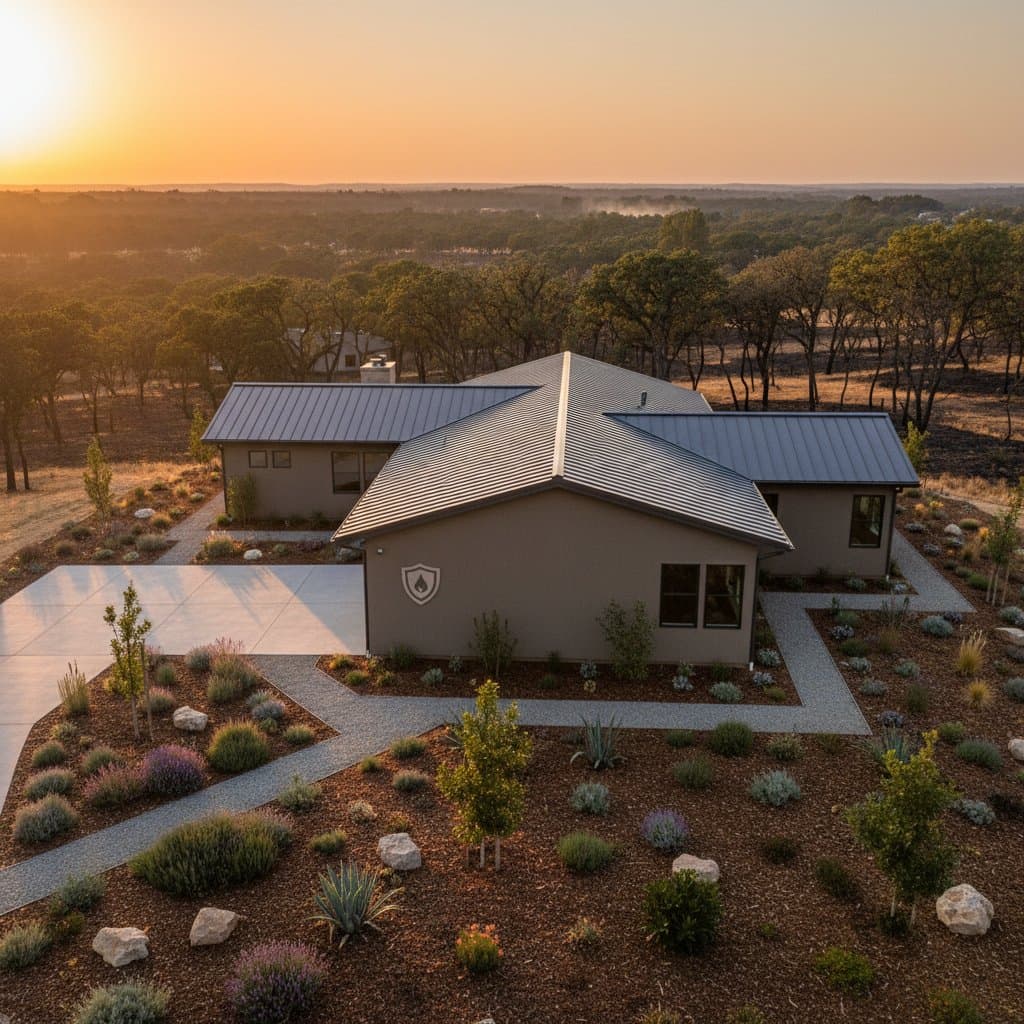
- Full roof replacement using Class A materials
- Fireproof siding and soffit installation
- 100-foot defensible zone featuring a gravel perimeter
- Gutter guards and spark arrestors
- Smart sprinkler systems managed via mobile applications
Expect $10,000 to $15,000 for this option, representing a 60 percent increase over basic services. Insurance reductions and enhanced property value recoup the investment within five to seven years, particularly in vulnerable areas.
Add-on Services Matrix
| Add-on Service | Cost Range | Bundle Discount | Benefit |
|---|---|---|---|
| Fire-resistant deck coating | $1,200 - $2,000 | 10% | Protects outdoor structures |
| Window replacement (tempered glass) | $800 - $1,500 each | 5% | Reduces heat breakage |
| Perimeter irrigation system | $1,000 - $3,000 | 8% | Maintains moisture barrier |
| Roof gutter cleaning plan | $250 - $500 | 15% | Prevents ember accumulation |
Combining services yields up to 20 percent savings and streamlines coordination. Platforms like Angi and Thumbtack connect users with certified wildfire specialists offering bundled deals.
Professional vs. DIY Analysis
DIY Cost Breakdown
Owners can handle initial fireproofing independently. Essential supplies for a compact effort include:
- Fire-retardant spray (Flamecheck M-111): $80 per gallon
- Metal vent screens: $20 each
- Leaf blower and rake for clearing: $150 total
- Protective gear and gloves: $50
Renting tools like chainsaws or trimmers costs $75 daily. A complete perimeter cleanup demands 15 to 25 hours. Overall DIY expenses range from $400 to $1,200, factoring in lot dimensions, plus fees for disposal, fuel, and safety risks.
Professional Advantages
Licensed wildfire mitigation experts provide distinct benefits. Their installations comply with codes, include insurance coverage, and guarantee uniform quality. Professionals finish tasks in one-third the time of solo efforts and include five-year warranties.
Specialized tools, from industrial chippers to aerial lifts and thermal cameras, exceed $20,000 if acquired separately. Professional interventions unlock insurance discounts not accessible through DIY approaches. Savings from lower premiums and upkeep balance costs within three years.
Decision Framework
Opt for professionals on lots over half an acre, with inclines or heavy brush. DIY works best for compact urban spaces with light vegetation. Errors, like residual debris near eaves, can negate economies. Experts deliver sustained returns, amplified by insurance perks and efficiency gains.
Actionable Cost-Saving Strategies
Timing Optimization
Schedule wildfire mitigation during off-peak periods. Late winter or early spring bookings secure 10 to 15 percent reductions versus summer highs. Midweek appointments often attract discounts to fill contractor schedules.
Smart Shopping Tactics
Obtain three quotes from permitted providers. Scrutinize itemized breakdowns for materials and labor. Providers frequently extend 5 percent discounts for upfront payments or interest-free financing options. Purchasing supplies from outlets like Home Depot or Lowe's trims markups by up to 12 percent.
Preparation Actions
Prior to arrival, remove debris from patios and prune minor shrubs to shorten labor. Each preparatory hour offsets about $50 in charges. Define property limits and expectations upfront to avoid expensive revisions.
Regional Influences and Long-Term Benefits
Costs for wildfire protection differ by location. Urban areas in coastal California and central Colorado command 20 to 30 percent premiums from scarce contractors. Rural Midwest sites benefit from reduced labor but endure extended wait times.
Supply chain issues drive material price shifts, with fiber-cement siding and metal roofing up 8 percent lately due to transport and resource limits. Labor scarcity in peak fire periods also raises rates.
These investments not only mitigate risks but enhance overall property resilience. Homeowners gain peace of mind, financial advantages through premium cuts, and increased market appeal. Prioritizing wildfire protection positions properties for safety and value in evolving climates.