AI HVAC Warranty Coverage: What Smart Features Protect
An AI-powered HVAC system uses sensors and machine learning to adjust heating and cooling automatically. These units optimize comfort while lowering energy use. Homeowners gain precise control, yet the added technology creates specific warranty considerations.
Key Components and Their Roles
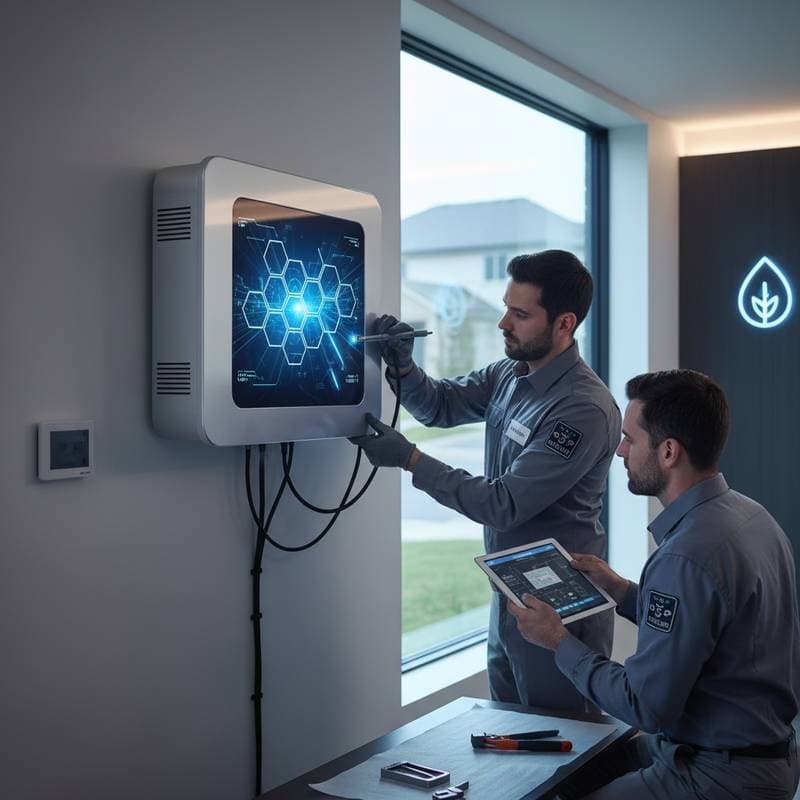
An AI HVAC system includes standard mechanical parts along with digital elements. The compressor and condenser unit moves refrigerant and releases heat outdoors. The evaporator coil absorbs indoor heat. Blower and ductwork distribute conditioned air. Sensors track temperature, humidity, occupancy, and air quality. The AI controller processes data to manage operations. A smart thermostat serves as the user interface. Cloud connectivity supports updates and remote diagnostics.
Each part must interact correctly. Failure in one area can disable smart functions even when mechanical components continue to operate.
Steps to Verify Warranty Coverage
- Locate both the equipment warranty and the smart control warranty documents.
- Confirm registration requirements and complete any online steps within the required timeframe.
- Verify that a licensed contractor performed the installation.
- Review the list of covered components, noting that mechanical parts often receive longer protection than sensors or control boards.
- Examine software clauses for exclusions related to updates or third-party applications.
- Check labor terms, as parts coverage does not always include service costs.
- Maintain detailed service records and receipts for all inspections.
DIY Installation Compared with Professional Service
| Factor | DIY Approach | Professional Service |
|---|---|---|
| Skill level | Requires advanced technical and electrical knowledge | Performed by certified technicians |
| Safety risk | Elevated due to refrigerant handling and electrical work | Managed by trained personnel |
| Tools required | Specialized gauges and software interfaces | Supplied by the contractor |
| Permits | Homeowner must obtain HVAC or electrical permits | Contractor secures all permits |
| Time required | Multiple days plus learning period | Completed in one to three days |
| Warranty impact | Typically voids coverage | Preserves full warranty validity |
Professional installation remains the recommended choice. Precise calibration and software pairing demand factory tools and expertise that most homeowners lack.
Maintenance Practices and Expected Lifespan
Regular service extends system life to 15 through 20 years. Digital components may require earlier updates. Replace filters every one to three months. Schedule annual professional inspections. Clear debris from outdoor units. Monitor app alerts for predictive maintenance. Back up settings before applying software updates.
Neglecting these tasks can lead to warranty exclusions based on improper care.
Common Warranty Questions
Hardware receives standard coverage while software support often depends on active subscriptions. Remote monitoring stays included only when the manufacturer supplies its own cloud service at no extra charge. Learning interruptions or resets count as software issues and may need an extended plan. Third-party device connections can void coverage if the manufacturer restricts integrations. Some brands permit a single warranty transfer after a home sale with proper documentation. Power surges fall outside standard terms unless surge protection is added. Certain systems require periodic online registration or data synchronization. When manufacturer updates cease, mechanical operation continues but smart features lose support.
Protecting Your Investment
Proper installation, registration, and routine service keep coverage intact. These steps ensure both mechanical reliability and continued smart performance over the full system lifespan.