What 2025 Solar Roof Installations Really Cost
Homeowners exploring solar roof systems frequently face confusing estimates, vague pricing ranges, and unclear contract terms. Advertised savings and rapid payback claims often overshadow the financial realities of solar integration. To grasp the true cost of a solar roof installation, compare more than just quotes. Analyze every financial component, scrutinize contract terms, and evaluate long-term obligations that shape actual value.
This analysis breaks down solar roof pricing structures, uncovers hidden costs in installation contracts, and provides a decision framework to determine if the investment suits a specific property.
Breaking Down Cost Structures and Pricing Elements
Solar roof pricing varies widely. Factors include square footage, energy generation capacity, roof complexity, and the chosen brand of solar tile or panel. While initial quotes emphasize total system costs, projects encompass multiple financial layers that define the full investment.
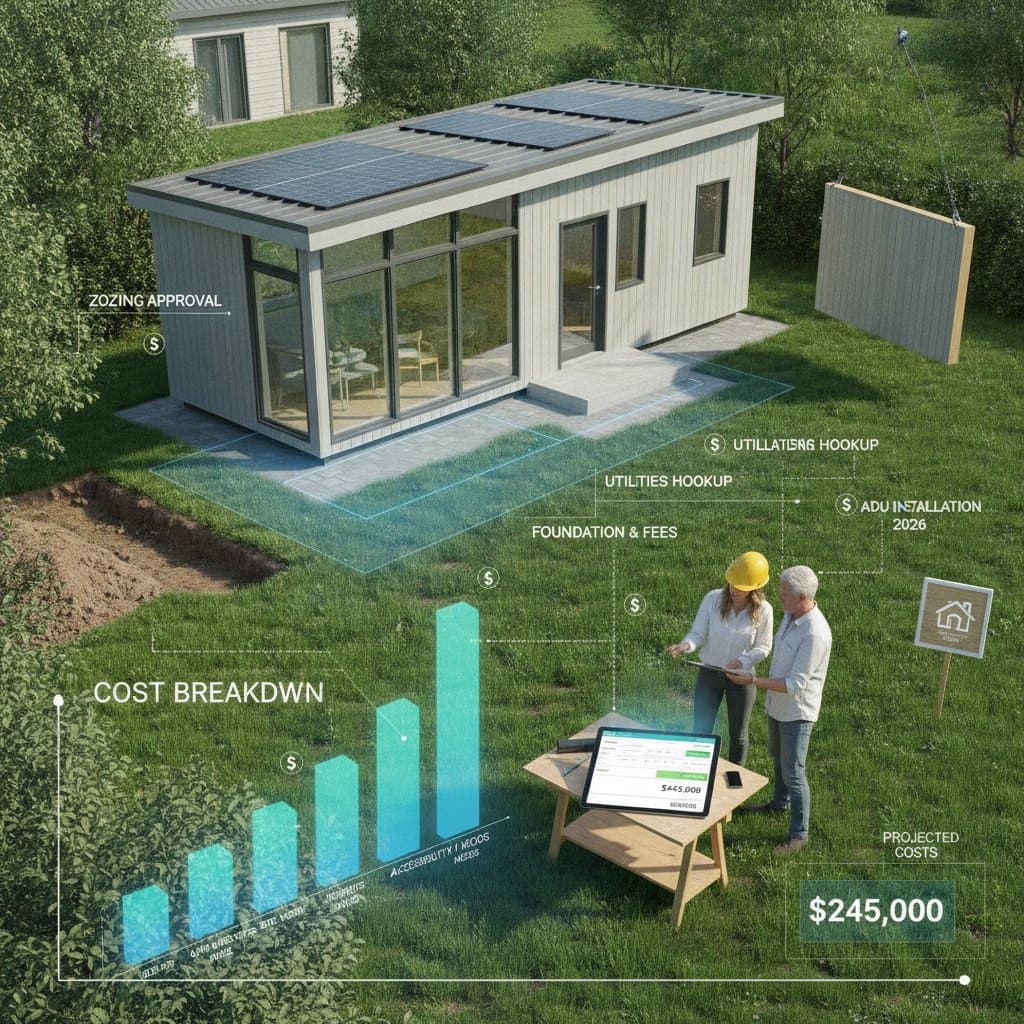
Base system costs typically range from $45,000 to $70,000 for an average-sized home, based on required energy capacity. These figures include materials, basic installation labor, and standard warranty coverage.
Additional expenses cover structural reinforcements for older roofs, electrical upgrades to comply with codes, and fees for removing or disposing of old shingles. Such items can increase costs by $3,000 to $10,000 over the initial quote.
Service fees encompass permitting, inspection coordination, and project management. Installers sometimes bundle these into upfront estimates, but others charge them separately later.
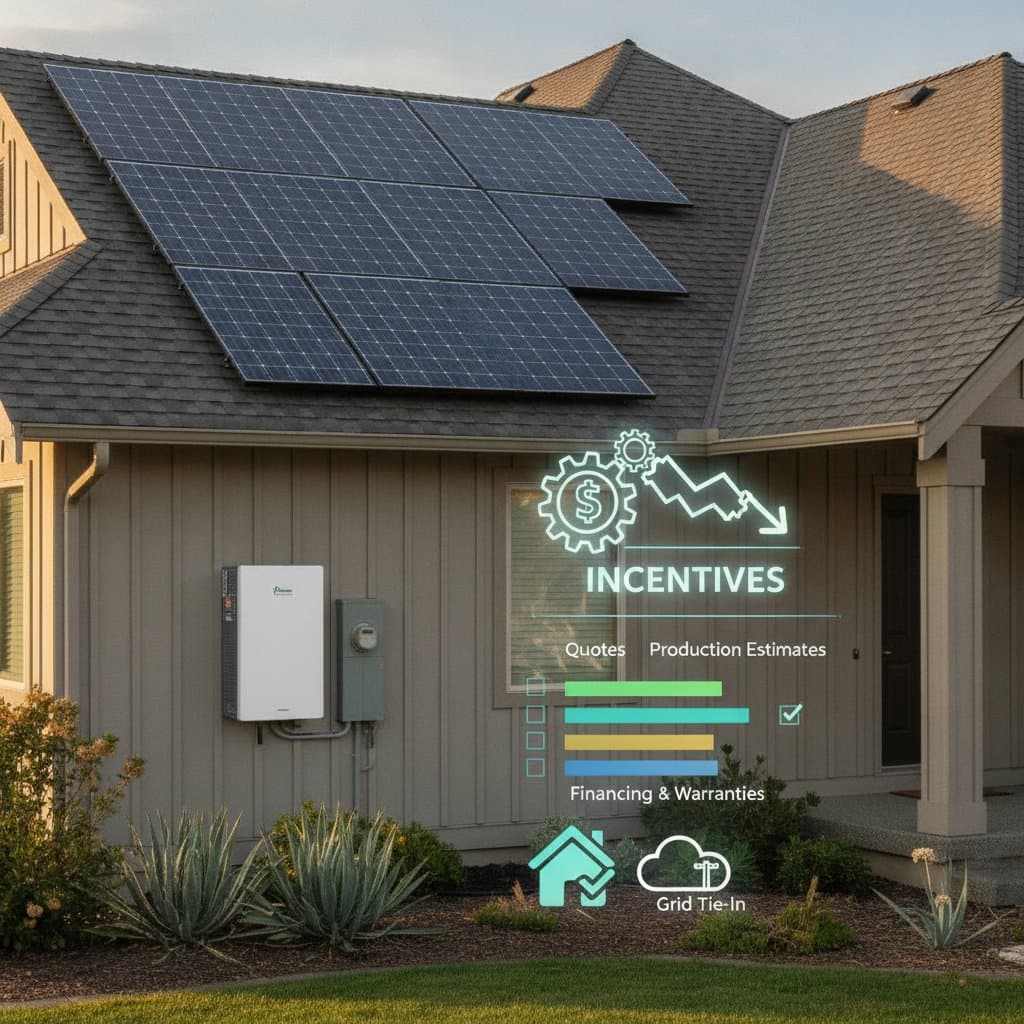
Financing options influence overall expenses. Direct purchases avoid interest, while loans or leases lower initial outlays but add interest and fees over time. Calculate total payments, including any prepayment penalties, to assess affordability.
Build a realistic budget by tallying all elements. Relying solely on headline prices creates a false impression of cost.
Navigating the Installation Process from Quote to Activation
Solar roof projects follow a defined sequence of stages. Familiarity with this timeline aids in anticipating delays and financial risks.
- Initial consultation: Request a quote and share roof measurements or grant access for on-site inspection.
- Detailed assessment: Engineers inspect roof slope, structural integrity, and existing electrical systems to identify needs.
- Proposal and approval: Receive a comprehensive plan outlining design, permitting requirements, and finalized pricing.
- Installation execution: Remove the old roof, add reinforcements, install solar tiles, connect electrical components, and test inverters.
- Post-installation steps: Arrange inspections, clean panels regularly, and monitor performance to uphold warranty terms.
Permitting and utility approvals frequently cause delays. Expect potential weeks between completion and grid connection, which impacts savings timelines. Plan for these interruptions in your financial projections.
Understanding Warranty Limits and Claim Denials
Warranty and performance claims face strict scrutiny. Providers enforce exclusions often tucked into fine print, leading to frequent denials.
Key denial triggers include:
- Lack of records for routine maintenance or cleaning schedules
- Unauthorized changes to electrical wiring
- Roof leaks or structural problems unrelated to solar components that impair function
- Damage from external contractors working on the roof or adjacent areas
Many contracts set overall coverage caps. For example, lifetime repairs might limit to $15,000, with homeowners covering excess amounts. Review these thresholds during contract negotiation to avoid surprises.
Assessing Long-Term Value Against Alternatives
Weigh solar roofs against options like traditional solar panels or community solar initiatives. Standard panels cost $20,000 to $35,000 upfront and install without full roof replacement. They offer a more budget-friendly path but may lack aesthetic integration and demand separate roof upkeep.
Solar roofs suit homeowners replacing an aging roof alongside adopting solar energy. Merging projects cuts overlapping labor expenses. However, if the current roof remains viable for years, a full replacement for solar purposes seldom yields optimal returns.
Compute the break-even period by dividing total costs by annual electricity savings. Incorporate ongoing maintenance, adjusted insurance premiums, and inverter replacements every 10 to 15 years. If payback exceeds component lifespans, reconsider the choice.
Steps to Informed Solar Roof Decisions
Solar roofs demand substantial commitment in technology and finances. Costs extend beyond advertised prices to include fees, contract nuances, and performance realities. Dissect each element, probe payback assumptions, and align with personal objectives.
Approach evaluations methodically to safeguard finances and secure tangible benefits. Precision and vigilance yield sustainable outcomes that balance environmental goals with economic prudence.